

Maddy summaryHB 4020 creates a temporary commission to update African-American history curriculum for Michigan K-12 schools. The commission, appointed by the governor and including university representatives, NAACP, and museum staff, must review current standards within 365 days and recommend age-appropriate instruction covering Reconstruction, the Civil Rights Era, and African-American contributions to U.S. development. Starting in the 2026-2027 school year, Michigan school districts must provide this instruction, and state assessments will include related questions. The bill mandates curriculum updates to the state board within two years of the commission's recommendations. This directly affects all public K-12 schools in Michigan and their required social studies curriculum.
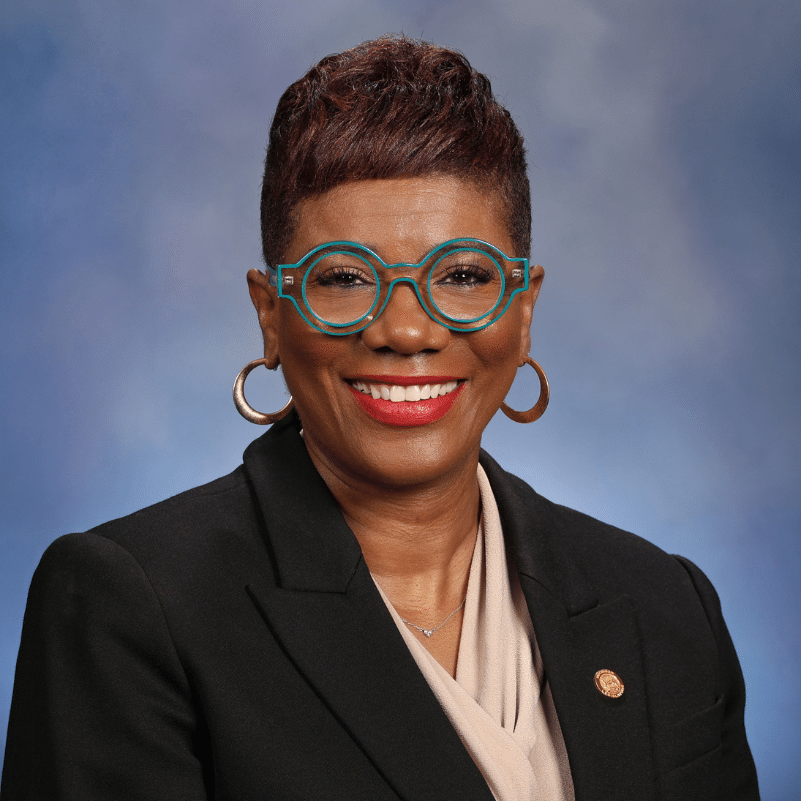
Rep. Cynthia Neeley
Sponsored bills
Maddy summaryHB 4016 designates May of each year as "Huntington's Disease Awareness Month" in Michigan. This symbolic resolution aims to raise public and medical awareness about Huntington's disease, which affects thousands of Michiganders and has no cure. It does not create new funding, regulations, or policy changes - it simply aligns Michigan with national recognition efforts for this progressive neurological condition. The bill was introduced in January 2025 and referred to committee for further review.
Maddy summaryThis bill amends Michigan's medical assistance program to cover the cost of blood pressure monitors for pregnant individuals and those in the postpartum period. Under the new provision, eligible people can receive a monitor designed for pregnancy use and fitted to their specific needs. The change directly affects recipients of state medical aid who are expecting or have recently given birth. By adding this specific item to the list of covered medical services, the legislation ensures these individuals have access to tools for monitoring their blood pressure without additional out-of-pocket expenses.
Maddy summaryThis bill modifies Michigan's Strategic Fund Act to allow the state to deny or recover economic development funds if a recipient business is added to a specific registry of non-compliant entities. Starting in October 2024, the law requires written agreements for loans, grants, and other assistance to include clauses that trigger a default and require the return of money if the business is listed on that registry during the agreement term. The measure applies to any business receiving financial support under the act and takes effect 90 days after passage, contingent on the simultaneous enactment of a related companion bill.
Maddy summaryThis bill creates the Call Center Jobs Retention Act, which requires large employers in Michigan to notify the Department of Labor and Economic Opportunity at least 30 days before moving a call center or a significant portion of its operations to a foreign country. The law specifically applies to companies employing 50 or more people at a call center and mandates reporting if they plan to close local operations while contracting for the same services abroad. Employers who fail to provide this advance notice face civil fines of up to $10,000, and the department must publish a public registry every six months listing the names of these employers, the number of jobs affected, and the new locations.
Maddy summaryThis bill amends Michigan's sales tax law to change how a specific portion of sales tax revenue is distributed to the public safety and violence prevention fund. Starting in October 2023, the state will deposit 1.5% of the collections from the standard 4% sales tax into this new fund on a monthly basis. The legislation also outlines existing rules for distributing other sales tax revenues to schools, transportation projects, aviation, and health initiatives. By specifying these allocation percentages and timelines, the bill ensures that designated funds are collected and transferred to their intended programs without altering the overall tax rate.
Maddy summaryThis law updates the rules for who can serve on Michigan's state and county election canvassing boards. To be eligible, members must be registered voters who have taken an official oath of office and have never been convicted of specific election-related crimes. The bill defines these crimes to include various offenses such as perjury, voter intimidation, and certain felonies. Additionally, county board members cannot hold another elected public office while serving on the board. These changes take effect on April 2, 2025.
Maddy summaryThis bill requires public and nonpublic schools in Michigan to adopt and implement a standardized plan for response terminology starting in the 2026-2027 school year. The law mandates that school boards and directors use consistent language when communicating about safety incidents to ensure clarity across the education system. However, the bill does not take effect unless it is passed together with a companion bill, HB 4096.
Maddy summaryThis bill would have changed the deadlines for filing petitions to place constitutional amendments, new laws, or laws to be repealed on the ballot. It requires petitioners to submit their signatures 160 days before an election for amendments and 200 days before an election for new laws, while also setting a filing limit for repeal petitions. Additionally, the bill would have required petitioners to sort signatures by congressional district and provide a written estimate of how many signatures come from each district. Because the bill was vetoed by the Governor, these changes were not enacted into law.
Maddy summaryThis bill modifies the Michigan Energy Assistance Program to ensure low-income households receive financial help with energy bills. It mandates that the state department simplify the application process into a single form and requires assistance to prioritize vulnerable populations. The law also directs providers to offer services that help participants budget for energy costs and connect them with weatherization programs to reduce energy waste. Additionally, the bill updates reporting requirements, shifting the deadline for annual program distribution reports to March 1, 2027.