

Maddy summaryHB 5171, the "Household Water Lien Prohibition Act," prohibits water authorities from placing or acquiring liens on residential properties for water, sewage, or stormwater management services. It directly affects residential property owners by preventing service providers from using liens to collect unpaid bills, and water authorities by banning this practice. The bill dissolves all existing liens for these services created under the repealed 1939 law (MCL 123.161-123.167), which previously allowed such liens. This replaces the old law with a new prohibition, effective upon enactment.
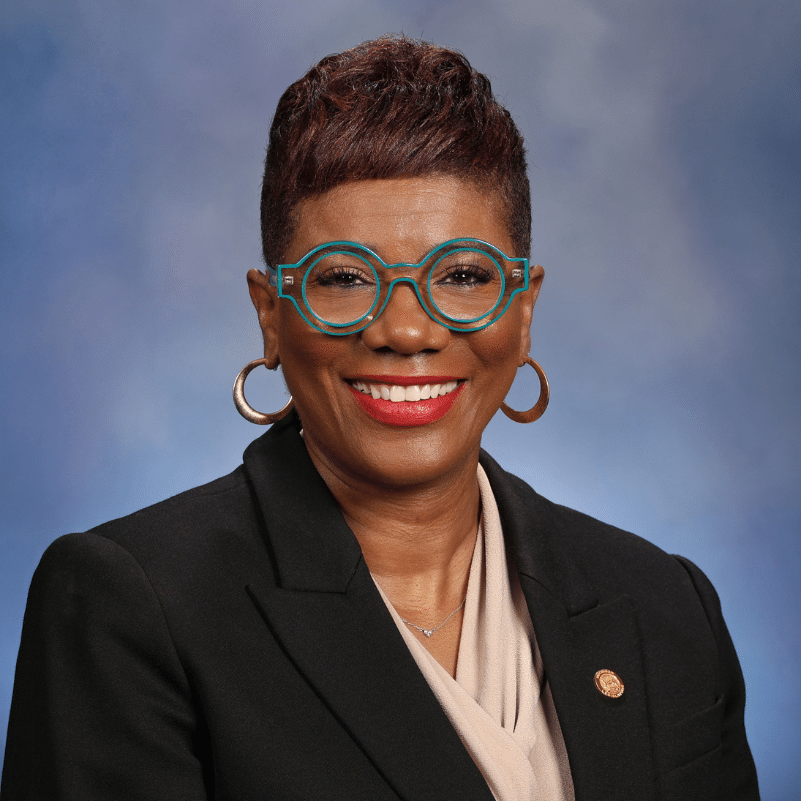
Rep. Cynthia Neeley
Sponsored bills
Maddy summaryHB 5141 amends Section 2 of Michigan's 1939 Labor Relations Act (MCL 423.2) by removing specific exclusions from the definition of "employee." This change would extend labor protections to workers previously excluded, including domestic workers, agricultural laborers, and certain supervisors. The bill directly affects these workers by ensuring they fall under the act's coverage for organizing, collective bargaining, and dispute resolution. It makes a concrete policy change to the legal definition without altering other provisions of the law.
Maddy summaryHB 4987 requires Michigan landlords to address tenant-reported repair issues within specific timeframes: 24 hours for urgent hazards like lack of heat, water, or bedbugs; 72 hours for appliance failures; and 10 days for other problems. Tenants must provide written notice via email, delivery, or approved electronic methods to trigger these deadlines. Landlords can extend timelines only if tenants interfere with repairs or unforeseen circumstances prevent timely action. This bill directly affects residential tenants and landlords in Michigan lease agreements, strengthening tenant rights to habitable housing under state law.
Maddy summaryHR 173 is a resolution passed by the Michigan House of Representatives to condemn all forms of political violence and reaffirm the body's commitment to civility, safety, and peaceful democratic engagement. It does not create new laws or policies but serves as a formal statement expressing the House's stance against violence targeting public officials and citizens. The resolution cites recent incidents of political violence across the U.S., including attacks on elected leaders and events like the 2025 assassination of activist Charlie Kirk. It will be transmitted to the President, Michigan Governor, and congressional leaders as a non-binding expression of the House's values.
Maddy summaryHB 4866 updates Michigan's lead-based paint regulations for renovations, repairs, and painting in older buildings. It adopts federal EPA standards with key modifications, setting specific lead dust limits (e.g., 5 micrograms per square foot on floors) and requiring post-renovation testing to ensure safety. The bill directly affects renovation contractors, property owners, and child-occupied facilities (like schools) in pre-1978 buildings where lead paint may be present. It clarifies enforcement by Michigan’s Department of Health, updates certification rules for firms, and establishes fines up to $13,000 per violation for noncompliance. The changes aim to protect public health by reducing lead exposure during renovation work.
Maddy summaryHB 4867 requires local health departments or physicians to refer children under 3 years old with blood lead levels above 10 micrograms per deciliter to Michigan’s Early On program (which supports children with developmental needs). This amendment to the Public Health Code specifically adds this referral mandate to existing lead poisoning prevention requirements. The bill does not create new programs but directs existing resources toward early intervention for affected children. It maintains annual reporting requirements for the department on lead screening data and program expenditures. The bill directly affects young children with elevated lead levels and the health providers who manage their care.
Maddy summaryHB 4362 requires law enforcement to share missing senior or vulnerable adult reports with local police, broadcasters, and newspapers, which must then broadcast a public alert with the person's description and relevant details. The state will establish a system using existing wireless emergency networks to send text alerts directly to mobile devices in the affected area. This alert system can only activate after law enforcement completes a report and receives approval from the state police. The bill creates a standardized process to rapidly disseminate information about missing individuals, aiming to improve public awareness and search efficiency.
Maddy summaryHB 4820 requires state agencies to first offer surplus motor vehicles to foster youth aged 16 or older in transition programs before selling them to the public. This applies to all surplus vehicles owned by state agencies and uses a voucher system for the initial offer. The bill amends Section 267 of Michigan's Management and Budget Act to implement this requirement. It directly affects eligible foster youth seeking affordable transportation and state agencies handling vehicle disposal.
Maddy summaryHB 4769 amends Michigan's environmental law to clarify time limits for filing lawsuits related to groundwater contamination cleanup. It sets a specific deadline of July 1, 1994, for recovering costs or damages from contamination that occurred before July 1, 1991. The bill specifically affects property owners, businesses, or government entities involved in pre-1991 contamination cases who may have delayed legal action. This change retroactively clarifies the legislature's original intent, ensuring cases involving older contamination are resolved within this timeframe.
Maddy summaryThis House resolution (HR 152) opposes the Trump administration's actions that would terminate federal workers without just cause and eliminate their right to collectively bargain. It specifically targets executive orders from March 2025 that banned collective bargaining for nearly a million federal employees. The resolution, introduced by Rep. Weiss and referred to the Government Operations Committee, is a symbolic statement urging the administration to cease these actions. It does not create new law but expresses legislative disapproval of policies affecting federal workers' job security and labor rights.