

Maddy summaryHB 4390 expands Michigan's vehicle code to allow testing of oral fluid (such as saliva) for controlled substances, alongside blood, breath, or urine, when determining impairment. It directly affects commercial drivers who refuse chemical tests for controlled substances or alcohol while operating commercial vehicles. The bill adds a new definition of "other bodily fluid" to include oral fluid and creates a process for "preliminary oral fluid analysis" conducted by certified experts at the scene. This change updates existing suspension rules for commercial drivers who refuse testing, ensuring consistent enforcement for controlled substances alongside alcohol. The policy change specifically targets commercial motor vehicle operators who decline chemical tests for drugs or alcohol.
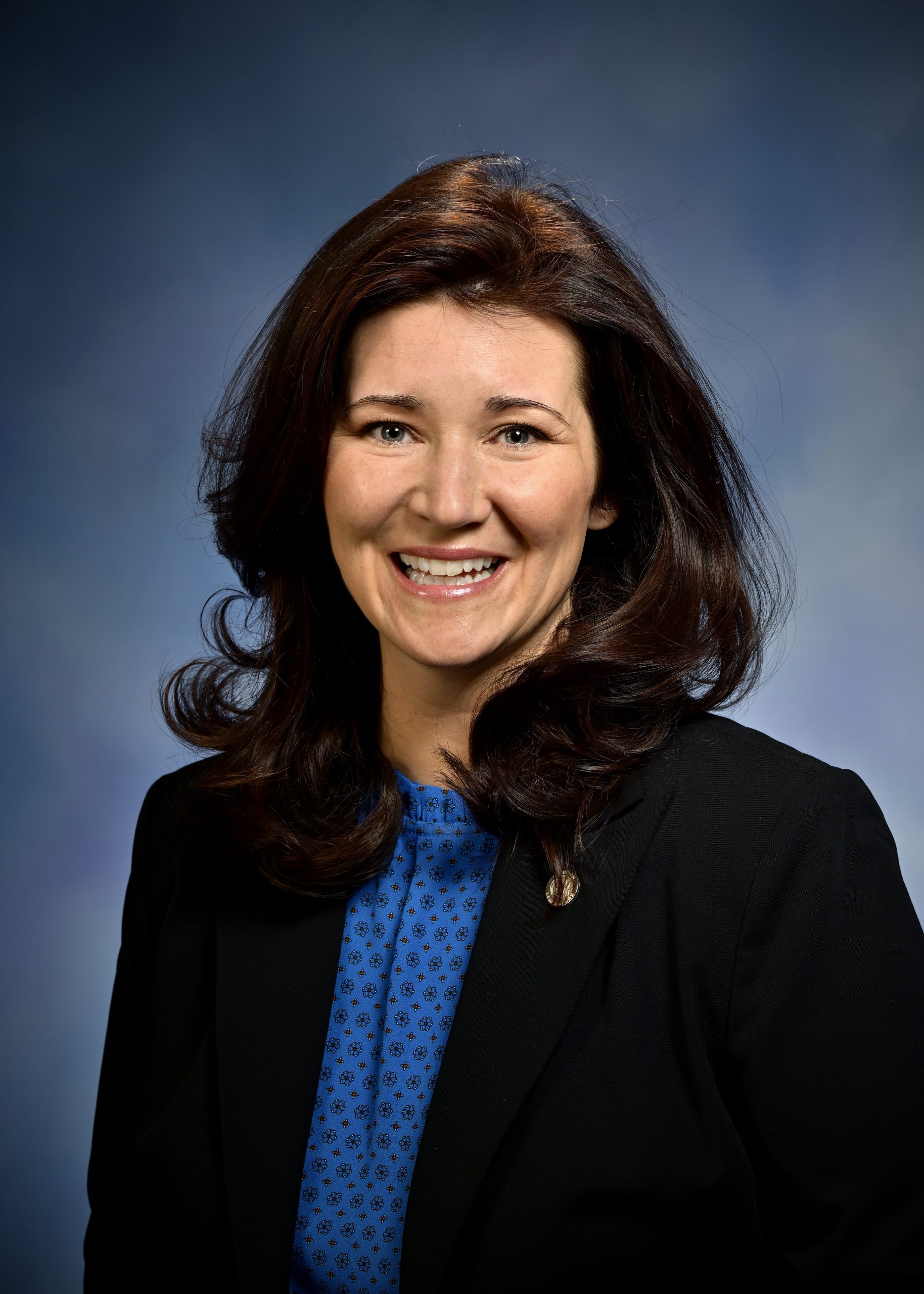
Rep. Jaime Greene
Sponsored bills
Maddy summaryHB 4391 expands Michigan's vehicle code to allow law enforcement to test for intoxication using other bodily fluids beyond blood or breath, such as urine or saliva. It directly affects drivers suspected of operating a vehicle while impaired, updating sections 625a, 625c, and 625g of the 1949 Michigan Vehicle Code (MCL 257.625a et seq.). The bill amends existing testing methods to include these additional fluids, providing more flexibility for officers during DUI investigations. The bill passed the Michigan House on July 17, 2025, with immediate effect.
Maddy summaryHB 4369 bans specific substances from being served in school meals under Michigan's education food laws. It directly affects school food programs by prohibiting these substances in meals provided to students. The bill amends Michigan Compiled Law (MCL) 289.1101-289.8111 by adding Section 7134, which establishes the ban. This is a concrete policy change to regulate school food content, with no additional context provided on the specific substances or implementation details.
Maddy summaryHB 4263 prohibits sellers from using automated programs to bypass purchase limits during online ticket sales for concerts, sports events, and other public entertainment events requiring admission fees. It bans circumventing security systems that enforce ticket limits, electronic queues, or fraud checks, targeting practices like bot-driven bulk purchases. The law directly affects ticket sellers (who must implement these security measures) and buyers attempting to use automated tools to bypass restrictions. This creates new requirements for online ticket sales to ensure fair access to event tickets.
Maddy summaryHB 4367 creates Michigan's "Purple Star School Program" to support military-connected students in public schools. It requires schools to designate a military liaison, maintain an easily accessible website with relocation and support resources, implement transition programs for military-connected students, provide staff training, and offer at least one community initiative like monthly recognition or military partnerships. The program applies to all public schools serving military-connected pupils, defined as students whose families include active/reserve military members or those who lost a service member in action. Schools must meet all these requirements to earn the "Purple Star" designation by 2026. The law aims to improve support systems for military-connected students through concrete, school-level actions.
Maddy summaryHB 4426 amends Michigan's Motor Carrier Safety Act (MCL 480.12d) to set a minimum age of 21 for drivers transporting hazardous materials requiring placards under federal rules. It maintains the existing 18-year-old minimum for most commercial driving but specifically raises the age requirement for hazardous materials transport. The bill does not change medical waiver or grandfathered driver provisions. This change directly affects commercial drivers operating in Michigan who transport hazardous materials requiring placards.
Maddy summaryThis resolution officially designates June 27, 2025, as National PTSD Awareness Day in Michigan. It encourages Michigan residents to learn about PTSD, reduce stigma, and support those affected - including veterans, first responders, and trauma survivors - while aligning with the existing U.S. Senate observance honoring Staff Sergeant Joe Biel. The bill has no new funding or legal requirements; it is a symbolic gesture to promote awareness and compassion.
Maddy summaryHB 4669 requires Michigan correctional facilities to allow unannounced, immediate inspections by state legislators upon request. It directly affects all correctional facilities under the Department of Corrections and state legislators (senators and representatives). The key provision mandates that facility staff must grant legislators access to inspect any premises without prior notice. This bill enhances legislative oversight by providing direct, on-the-ground access to correctional facilities for lawmakers.
Maddy summaryThis resolution urges Michigan county sheriffs and local law enforcement agencies to join 287(g) agreements with U.S. Immigration and Customs Enforcement (ICE). It encourages these agencies to participate in a federal program that provides training and oversight, allowing designated officers to identify, detain, and process individuals who entered or reentered the U.S. illegally and are arrested for crimes. The resolution states this collaboration aims to enhance public safety by prioritizing the removal of criminal aliens, such as those involved in violence or drug trafficking. As a non-binding resolution, it does not change laws but formally requests local agencies consider these agreements to support federal immigration enforcement.
Maddy summaryHB 4655 prohibits Michigan state departments or licensing boards from requiring implicit bias training as a condition for health professional licensure or license renewal. The bill directly affects licensed healthcare workers (like nurses, doctors, and therapists) who would otherwise need to complete such training to obtain or maintain their licenses. It achieves this by amending Michigan's Public Health Code to add Section 16149, which bans the enforcement of rules mandating this training, and by rescinding a related section of the Michigan Administrative Code (MCL 338.7004). The bill removes a potential requirement for healthcare professionals seeking initial licensure or renewal.