

Maddy summaryHB 5331 prohibits state agencies, local governments, universities, community colleges, and other entities receiving state funds from purchasing certain drones. It extends the same drone purchase restrictions that apply to the federal government to these Michigan entities. The bill amends Michigan's Management and Budget Act to require these organizations to follow federal guidelines when acquiring drones with state money. This directly affects any state-funded organization that might otherwise buy drones for operations.
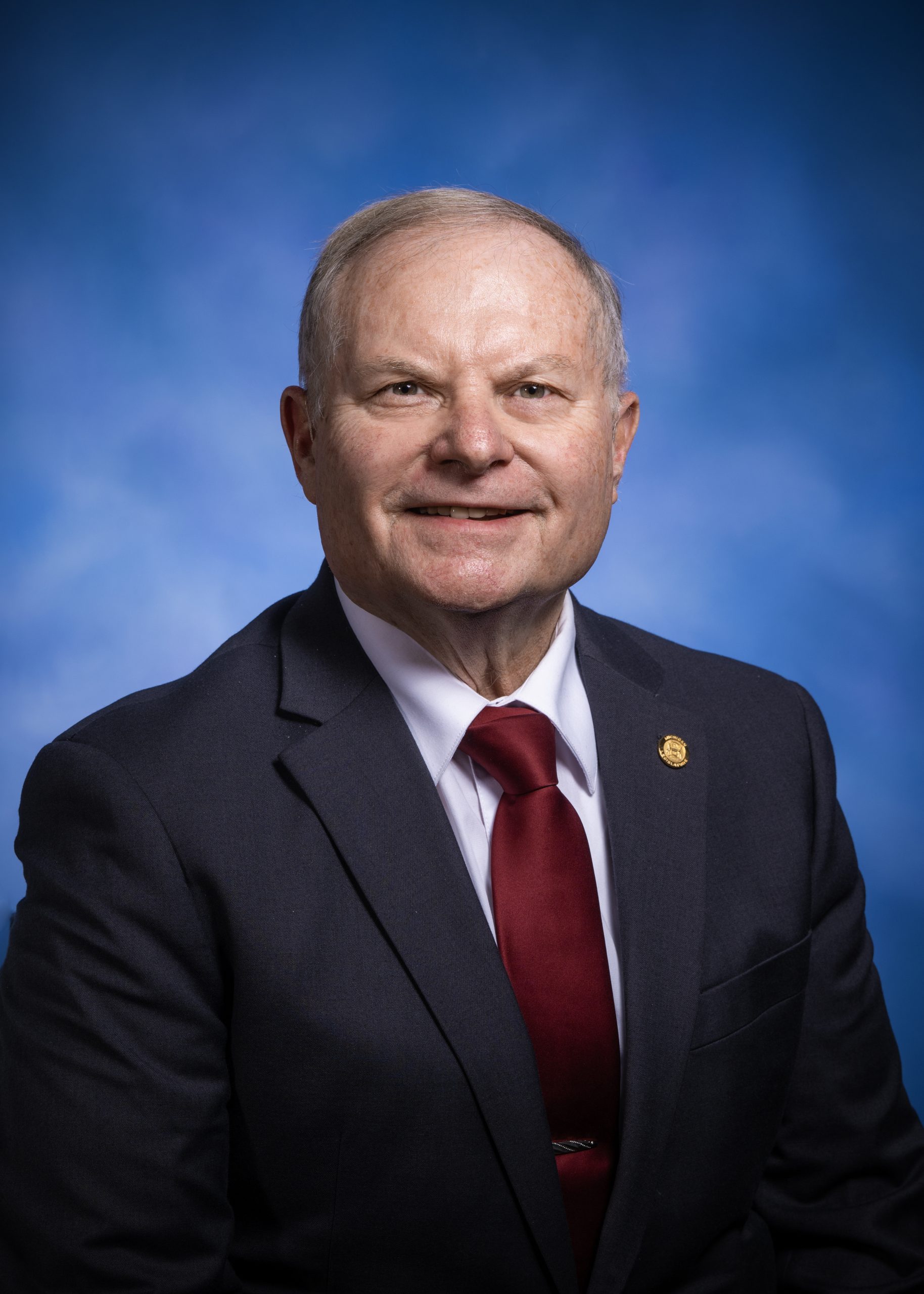
Rep. Joe Pavlov
Sponsored bills
Maddy summaryHB 5329 prohibits Michigan public entities (like state agencies, cities, schools, and counties) from purchasing or acquiring drones that include software developed by entities on three specific federal sanction lists. These lists include companies designated under the 2021 National Defense Authorization Act, the Chinese Military-Industrial Complex Sanctions List, and certain Commerce Department restrictions. The ban takes effect one year after the bill passes, with an exception for entities complying with existing Michigan drone regulations (2016 PA 436). This bill directly affects all government drone procurement decisions in Michigan by restricting purchases from targeted foreign manufacturers.
Maddy summaryThis bill designates May 2026 as Boating Safety Month throughout Michigan to highlight the importance of safe recreational boating practices. The resolution encourages all residents and visitors to engage in responsible behaviors, such as wearing life jackets, checking weather conditions, and following navigation rules. It serves as a commemorative measure to raise awareness among the state's large boating community rather than implementing new laws or regulations.
Maddy summaryThis bill establishes a temporary gas tax holiday in Michigan, setting the motor fuel tax rate to zero cents per gallon starting immediately. The zero rate will remain in effect until either November 1, 2026, or the nationwide average gas price drops below $3.50, whichever happens first. While the holiday is active, the standard tax rates for gasoline and diesel are suspended, and the bill includes specific reporting requirements for suppliers and end users holding fuel inventory.
Maddy summaryThis bill requires the deputy secretary of state to take over as the chief election officer if the current secretary of state runs for another elected office. Under this change, the incumbent secretary would be barred from supervising or administering the election in which they are a candidate, though they would keep other duties like managing election audits. The deputy secretary would assume full supervisory control over local election officials during that specific election cycle.
Maddy summaryThis bill amends Michigan's Clean and Renewable Energy and Energy Waste Reduction Act to update definitions and requirements for renewable energy programs. It directly affects electric and natural gas providers, state agencies, and energy consumers by modifying how clean energy standards are calculated and how costs are recovered from customers. Key changes include redefining clean energy systems to include natural gas plants with carbon capture technology, establishing a wind energy resource zone board, and adjusting rules for customer generation and net metering. The legislation also updates provisions related to energy waste reduction programs and authorizes new residential energy improvement initiatives.
Maddy summaryThis bill requires electric, gas, and steam utilities in Michigan to consider all available energy sources when planning their integrated resource portfolios. It amends existing state laws governing utility rate-setting and planning processes to ensure comprehensive evaluation of different energy options. The legislation also establishes specific timelines for utility rate applications and includes provisions for partial rate relief motions for smaller gas utilities. Additionally, the bill repeals a specific section of the Public Service Commission Act related to stranded costs.
Maddy summaryThis House resolution urges Michigan Secretary of State Jocelyn Benson to voluntarily release documents and information regarding her past work with the Southern Poverty Law Center (SPLC), specifically concerning the organization's alleged payments to extremist groups. The bill is based on a federal indictment that accuses the SPLC of fraudulently diverting donor money to fund individuals associated with hate groups while claiming to fight them. It highlights Benson's previous roles as an undercover investigator and board member at the SPLC during the period of the alleged misconduct, suggesting she may possess unique knowledge of these operations. The resolution calls for her to publicly address her involvement to ensure transparency and avoid any appearance of impropriety, citing her prior refusal to comply with a separate subpoena as a reason for this request.
Maddy summaryHB 5465 amends Michigan's trespassing law to criminalize unauthorized entry into specific critical infrastructure facilities, including power plants, water treatment sites, natural gas stations, chemical plants, and data centers. The bill requires these facilities to display clearly visible signage (at least 1-inch letters, 50 square inches, spaced for visibility) to warn against entry. Unauthorized entry into such facilities - when enclosed and properly posted - becomes a felony punishable by up to 4 years in prison or a $2,500 fine. The law explicitly excludes lawful, peaceful protests and labor disputes from prosecution.
Maddy summaryHB 5320 amends Michigan's criminal sentencing guidelines to specifically address unauthorized drone flights over or trespassing on critical infrastructure, such as power plants or bridges. It would establish new sentencing standards for individuals operating unmanned aircraft or vehicles near these facilities, directly affecting drone operators who violate these restrictions. The bill modifies Section 16b of the Michigan Code of Criminal Procedure (MCL 777.16b) to create clear penalties for such offenses, moving beyond general trespass laws. This change aims to strengthen legal consequences for drone-related threats to public safety infrastructure.