

Maddy summaryHB 4644 allows villages, cities, and townships with populations under 30,000 (based on the 2010 census) to permit golf cart operation on local streets and county roads, subject to specific safety rules. Key provisions include requiring operators to be at least 16 years old with a valid driver’s license, limiting speed to 15 mph, prohibiting operation on sidewalks or during nighttime (30 minutes before sunset to 30 minutes after sunrise), and requiring registration without fees. County boards may block golf cart use if safety or environmental concerns are proven after a public hearing. The bill also establishes procedures for local units to request limited golf cart access on state highways under specific conditions, such as connecting tourist areas or crossing natural barriers.
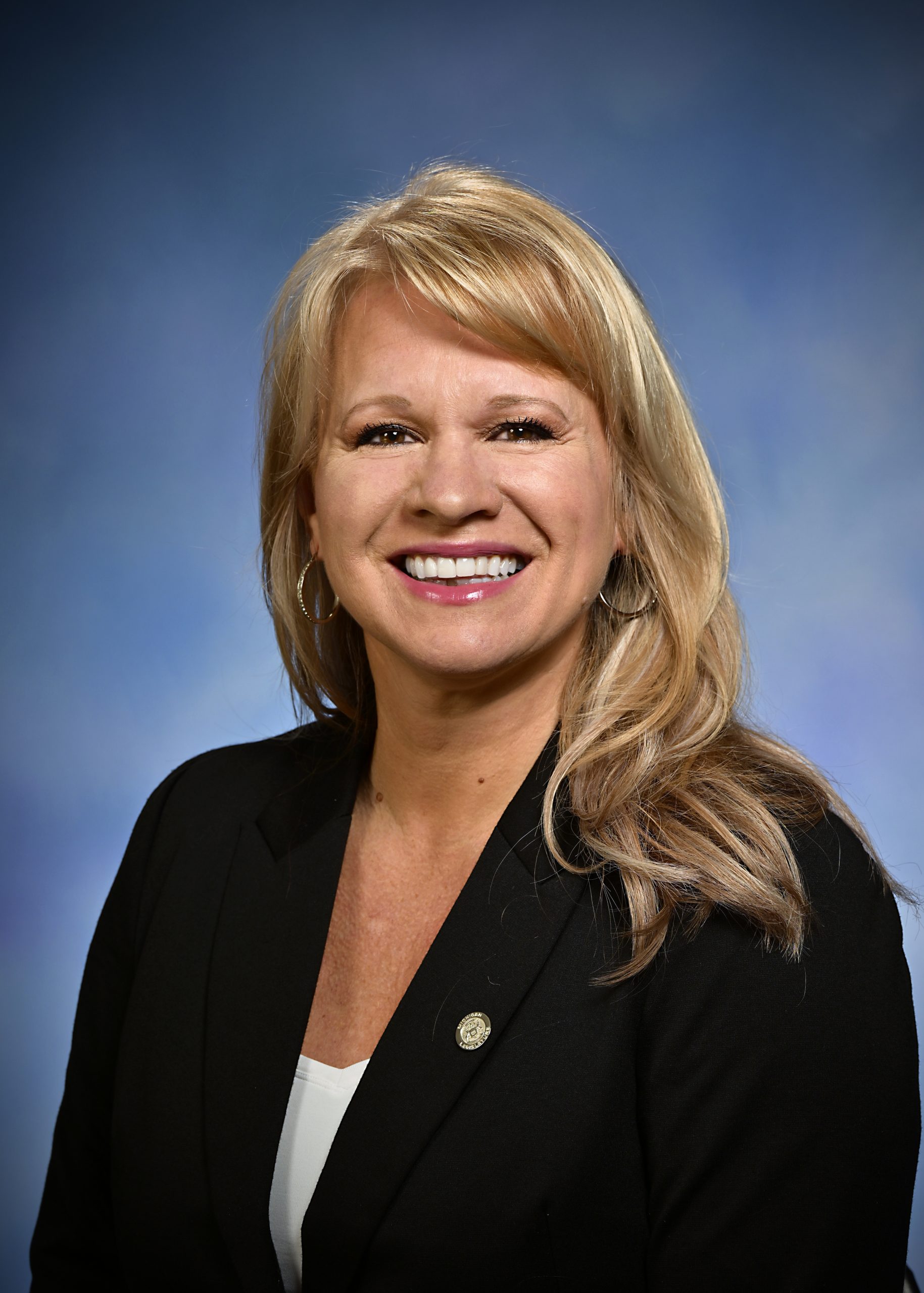
Rep. Alicia St. Germaine
Sponsored bills
Maddy summaryHB 4062 restricts lobbying by former Michigan state legislators to prevent potential conflicts of interest. It prohibits former senators or representatives from engaging in paid lobbying activities for two years after leaving office, specifically banning them from spending money or receiving compensation for lobbying that meets the threshold requiring lobbyist registration. The law applies to legislators whose term began on or after January 1, 2025, and violations are punishable by a misdemeanor fine of up to $1,000 or 90 days in jail. This bill directly affects former lawmakers seeking to lobby government officials, aiming to limit immediate post-office influence in policy decisions.
Maddy summaryHB 4064 prohibits Michigan state senators and representatives from receiving extra pay (beyond their regular salary) for directly communicating with government officials to influence legislative or administrative decisions. It specifically bans compensation for lobbying activities involving officials in Michigan's executive or legislative branches, or similar officials in other state or local governments. Violating this rule is a misdemeanor punishable by up to 90 days in jail, a $1,000 fine, or both. The bill amends Michigan's ethics law (MCL 4.411-4.431) and takes effect January 1, 2026.
Maddy summaryHB 4517 amends Michigan's Child Abduction Broadcast Act to update its title and expand how radio and TV stations can share missing child information. It specifically allows stations to broadcast alerts via social media (beyond traditional radio/TV) when sharing details from the Michigan Department of State Police under the Amber Alert system. The bill also maintains legal immunity for stations that accurately broadcast this information. This directly affects broadcasters, law enforcement, and the public by broadening the channels for urgent child safety alerts.
Maddy summaryHB 4518 modifies Michigan's Amber Alert Act to require law enforcement agencies to submit missing child alert reports to the National Center for Missing & Exploited Children within 24 hours of activating an alert. This change directly affects Michigan police departments and state agencies that use the Amber Alert system. The bill updates existing law by replacing prior reporting timelines with a specific 24-hour deadline for submissions. This policy adjustment aims to expedite information sharing during missing child cases.
Maddy summaryHB 4103 adds a new section to Michigan's health occupations law to implement an occupational therapy licensure compact. This bill allows occupational therapists licensed in Michigan to practice in other participating states without obtaining separate licenses, and vice versa for therapists from other compact states. It directly affects occupational therapists seeking to work across state lines, reducing barriers to practice. The compact mechanism establishes standardized licensing requirements among participating states, streamlining the process for therapists to provide services in multiple jurisdictions.
Maddy summaryHB 4104 updates Michigan's occupational therapy licensing rules to join a multi-state licensure compact. This would allow occupational therapists licensed in Michigan to practice in other participating states without obtaining separate licenses. The bill modifies existing law to align with the compact's standards and adds new sections for implementation. It directly affects occupational therapists seeking to work across state lines within the compact.
Maddy summaryHB 4750 requires Michigan's foster care department to use or save existing benefits (such as Medicaid or education funds) for children in foster care when it serves their best interests, directly affecting all children in the state's foster care system. The bill amends Michigan's foster care law to mandate this approach, ensuring benefits are prioritized for the child's well-being rather than other uses. Key provisions include adding a new section (8f) to the existing law, directing the department to make decisions based on each child's specific needs. This policy change clarifies how resources must be managed without specifying new funding or programs.
Maddy summaryHB 4350 amends Michigan's Natural Resources and Environmental Protection Act to allow individuals to feed wild birds and other wildlife under specific conditions. This bill permits such feeding if it occurs within 300 feet of a residence and the total amount of feed does not exceed two gallons. It clarifies that this allowance does not apply to activities like baiting for hunting, normal agricultural practices, or feeding conducted in a way that excludes deer and elk. This aims to create limited exceptions for recreational or preventative feeding of wildlife by residents.
Maddy summaryHB 4187 modifies Michigan's corporate income tax law by adjusting how the tax base is calculated and clarifying revenue distribution. It requires corporations to add back certain taxes and expenses previously deducted for federal purposes (like state taxes or related-party royalties) and eliminates deductions for oil/gas and mineral-related income and expenses. For the 2021-2022 fiscal year, the bill directs $800 million of corporate tax revenue to the Michigan taxpayer rebate fund, while other years’ revenue flows to the general fund. This directly affects corporations operating in Michigan and the state’s budget allocation process.