

Maddy summaryHB 5221 would increase the required ratio of experienced plumbers to apprentices on construction sites in Michigan, changing it from 1 journey or master plumber per 2 apprentices to 1 per 5 apprentices. This directly affects plumbing contractors, who must comply with the new ratio on all jobsites. Violations would result in escalating fines ($5,000 for a first offense, $10,000 for a second, and a 90-day license suspension for a third), with fines paid to the enforcing agency. The bill also specifies that the state department can recover investigation costs and attorney fees for enforcement actions. (Note: This bill is pending review in the Government Operations Committee as of November 2025.)
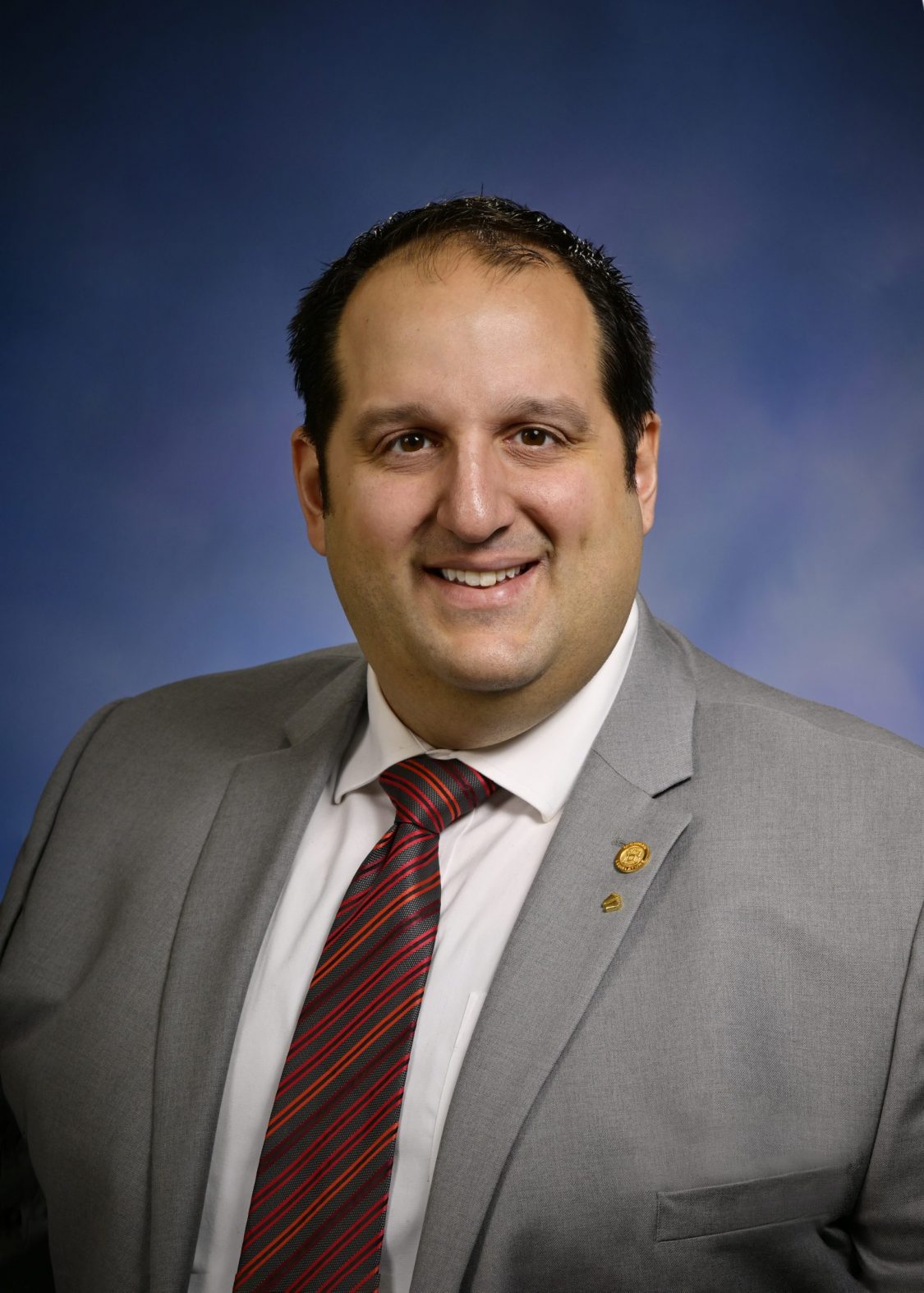
Rep. Joe Aragona
Sponsored bills
Maddy summaryThis resolution (HR 212) requests that the U.S. Congress adopt Section 143 from H.R. 3838 (the 2026 National Defense Authorization Act). Section 143 would require the Air Force to maintain at least 162 A-10 aircraft until 2029 and mandate reports to Congress about transition plans before retiring the fleet. It specifically aims to prevent an operational gap at Michigan's Selfridge Air National Guard Base, where A-10s were scheduled for retirement in 2026 but replacement F-15EX fighters won't arrive until 2028. The resolution does not change policy itself but urges Congress to incorporate these protections into law.
Maddy summaryThis resolution (HR 209) formally declares November 2025 as "National Alzheimer's Awareness Month" within Michigan. It recognizes Alzheimer's disease as a critical health issue affecting over 200,000 Michiganders and 385,000 caregivers, citing it as the seventh leading cause of death in the U.S. and the only top-10 cause with no cure or prevention. The resolution serves as a symbolic recognition - without creating new laws, funding, or mandates - to honor those impacted by Alzheimer's and support ongoing research and awareness efforts. It aligns with the national observance established since 1983 but applies specifically to Michigan's legislative recognition.
Maddy summaryHB 5208 prohibits the surgical removal of a cat's claws (declawing) unless it is medically necessary to treat an existing injury, illness, or health condition. It directly affects veterinarians, pet owners, shelters, and breeders who might otherwise perform the procedure for convenience or aesthetics. The bill defines "therapeutic purpose" narrowly to exclude cosmetic reasons, and violations carry civil fines of up to $2,500 for a first offense and $5,000 for repeat offenses. Enforcement would be handled by county prosecutors or the state attorney general.
Maddy summaryHB 4427 requires counties to issue a "brown alert" when sewage or E. coli levels in waterways reach dangerous public health levels. This directly affects county officials responsible for environmental monitoring and residents who use or live near affected waterways. The bill amends existing law by adding a new section mandating this alert system, replacing previous voluntary protocols. It creates a specific, actionable requirement for counties to notify the public during hazardous conditions. The law passed the House with strong support (94-10) and is now under review by the Local Government Committee.
Maddy summaryHR 196 is a resolution demanding Michigan's Secretary of State comply with a federal request for an unredacted copy of the state's voter registration list, as required by the Civil Rights Act of 1960 and the National Voter Registration Act of 1993. It directly affects the Michigan Secretary of State's office by mandating disclosure of voter data within legal limits. The bill does not create new law but compels adherence to existing federal requirements for voter list transparency. This procedural resolution focuses solely on directing state compliance with federal mandates, not altering election policies.
Maddy summaryHB 5209 prohibits veterinarians from performing declawing procedures (including onychectomy, phalangectomy, or tendonectomy) on cats unless medically necessary for the cat's health. It explicitly bans these procedures for cosmetic or convenience reasons, such as preventing scratching furniture. The law applies to all domestic cats and hybrid breeds (like Savannah or Bengal cats) and defines "therapeutic purpose" to include medical conditions like infections or injuries, but excludes aesthetic or handling preferences. This bill directly affects veterinarians and cat owners by restricting declawing to only life-threatening or severe health cases.
Maddy summaryHR 195 is a resolution opposing Michigan's proposed Health Education Standards Framework. It urges the Michigan Department of Education to redraft the standards or the Michigan State Board of Education to reject them, specifically requesting the exclusion of content related to gender identity, gender expression, and sexual orientation from health education standards. The resolution cites parental rights and existing law requiring local control and opt-out provisions for sex education as justification. It directly targets state education officials, not students or schools, and serves as a non-binding request for policy revision.
Maddy summaryHB 4254 prohibits public bodies (like state agencies, universities, or local governments) from using dogs in research or training activities that cause pain or distress. It specifically bans methods that would cause death, injury, fear, trauma, or invasive procedures (such as surgery), with exceptions for veterinary training with owner consent and routine procedures like spaying/neutering. The bill establishes civil fines of $1,000-$5,000 per dog per violation for noncompliance, enforced by county prosecutors or the attorney general. Named "Queenie's Law," it amends Michigan's Public Health Code to add these protections for dogs used in experimental purposes.
Maddy summaryHB 4129 creates a program to award annual grants to graduates working in Michigan's nuclear or hydrogen energy sector. It provides up to $3,000 per year for three years to individuals who: (1) graduate from a qualifying STEM program (like engineering or skilled trades supporting nuclear/hydrogen facilities), and (2) work at a qualified facility in Michigan within one year of graduation. The program requires annual employment verification, with repayment required if employment ends or false information is provided (penalties include fines up to $1,000). Funds are managed through a dedicated state account administered by the Department of Labor and Economic Opportunity.