

Maddy summaryThis House resolution urges Michigan Secretary of State Jocelyn Benson to voluntarily release documents and information regarding her past work with the Southern Poverty Law Center (SPLC), specifically concerning the organization's alleged payments to extremist groups. The bill is based on a federal indictment that accuses the SPLC of fraudulently diverting donor money to fund individuals associated with hate groups while claiming to fight them. It highlights Benson's previous roles as an undercover investigator and board member at the SPLC during the period of the alleged misconduct, suggesting she may possess unique knowledge of these operations. The resolution calls for her to publicly address her involvement to ensure transparency and avoid any appearance of impropriety, citing her prior refusal to comply with a separate subpoena as a reason for this request.
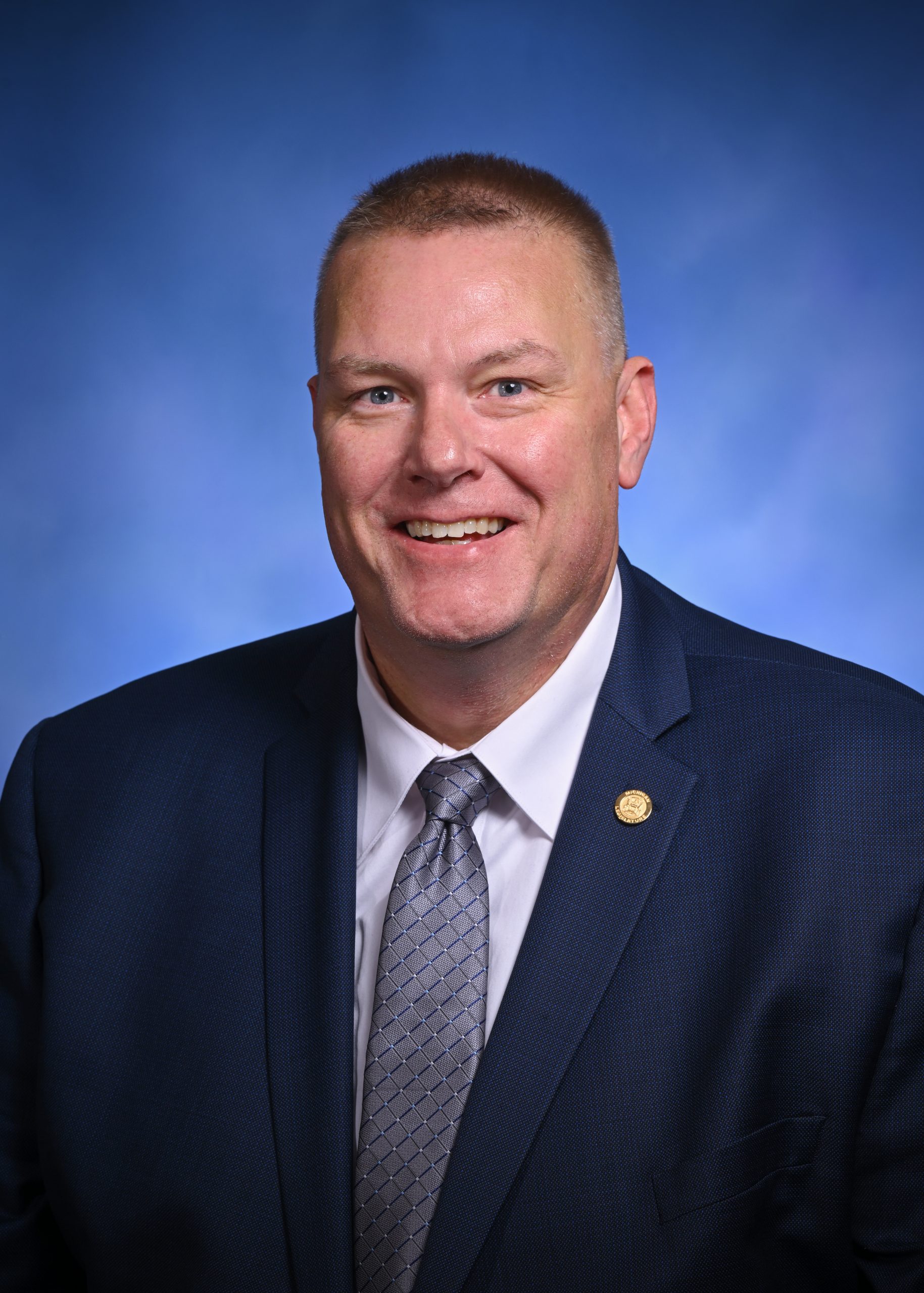
Rep. Ron Robinson
Sponsored bills
Maddy summaryHB 5465 amends Michigan's trespassing law to criminalize unauthorized entry into specific critical infrastructure facilities, including power plants, water treatment sites, natural gas stations, chemical plants, and data centers. The bill requires these facilities to display clearly visible signage (at least 1-inch letters, 50 square inches, spaced for visibility) to warn against entry. Unauthorized entry into such facilities - when enclosed and properly posted - becomes a felony punishable by up to 4 years in prison or a $2,500 fine. The law explicitly excludes lawful, peaceful protests and labor disputes from prosecution.
Maddy summaryHB 5320 amends Michigan's criminal sentencing guidelines to specifically address unauthorized drone flights over or trespassing on critical infrastructure, such as power plants or bridges. It would establish new sentencing standards for individuals operating unmanned aircraft or vehicles near these facilities, directly affecting drone operators who violate these restrictions. The bill modifies Section 16b of the Michigan Code of Criminal Procedure (MCL 777.16b) to create clear penalties for such offenses, moving beyond general trespass laws. This change aims to strengthen legal consequences for drone-related threats to public safety infrastructure.
Maddy summaryHB 5319 prohibits using unmanned aircraft (drones) to fly over or trespass on key facilities, correctional facilities, law enforcement facilities, or critical infrastructure. It directly affects drone operators who might fly near these locations without authorization. The bill creates criminal penalties (up to 4 years in prison or $2,500 fine) for violations, while exempting public safety agencies and commercial operators complying with federal FAA rules. Key provisions include a 90-day delay before restrictions apply and definitions of "key facility" (per §552c) and "critical infrastructure" (aligned with federal designations).
Maddy summaryHB 5321 creates a state geofencing database managed by Michigan's transportation department to list restricted zones where unmanned vehicles (including drones, ground vehicles, and watercraft) cannot operate. The bill requires the department to develop a public website and a mobile app that warns operators when approaching restricted areas like critical infrastructure, airports, or key facilities. Operating an unmanned vehicle in a restricted zone is a felony punishable by up to 4 years in prison or a $2,500 fine. This law directly affects anyone using unmanned vehicles in Michigan, establishing a new enforcement system to prevent unauthorized flights or operations in sensitive areas.
Maddy summaryHB 5322 proposes to update Michigan's sentencing guidelines for crimes involving the unauthorized use of unmanned vehicles (like drones) in restricted zones or flight paths, such as near airports or government facilities. If passed, it would create specific sentencing rules for these offenses, directly affecting drone operators who violate such restrictions. The bill amends existing criminal procedure code section 777.12k to establish these new sentencing parameters for this specific violation. This is a policy change focused on clarifying penalties for drone misuse in sensitive areas, not a procedural or commemorative measure.
Maddy summaryHB 5330 requires Michigan public entities (like government agencies) and their contractors to meet strict cybersecurity and data protection standards for small drones (under 55 pounds). It mandates that all collected data (including videos, photos, and personal information) must be stored within the U.S., encrypted with AES-256, and automatically deleted after 45 days unless law enforcement needs it. The bill also requires annual security audits using NIST, ISO 27001, and SOC 2 standards, plus real-time monitoring for cyber threats. The State Police will create regulations to enforce these rules, including network security controls and operator training.
Maddy summaryHB 5324 standardizes "No Drone Zone" signage across Michigan by requiring the state Department of Transportation to adopt a sign based on the FAA's existing design. The sign must display "No Drone Zone" at the top, include a drone image with a red circle slash, state that drone takeoffs/landings are prohibited, and leave space for the specific local ordinance or law enforcing the restriction. This bill directly affects property owners, businesses, and local governments that currently post drone restrictions, providing a uniform format to clarify existing local drone prohibitions without creating new restrictions. The Department of Transportation will publish guidance for using the sign, which must align with current local rules governing drone operations.
Maddy summaryHB 5327 amends Michigan's drone law to prohibit specific drone uses that violate privacy or safety. It bans operating drones to harass people (as defined by existing harassment laws), capture private images in violation of privacy expectations, follow or photograph individuals (especially for sex offenders under registration requirements), or disturb quiet enjoyment of private homes. The bill directly affects all drone operators, with additional restrictions for sex offenders. Key mechanisms include expanding existing drone restrictions to cover harassment, privacy invasions, and proximity to restraining orders. The law takes effect 90 days after enactment.
Maddy summaryHB 5325 allows police officers and private security personnel at critical infrastructure sites (like power plants or bridges) to disable or destroy drones flying in violation of existing laws protecting those sites. It directly affects drone operators who fly near protected infrastructure without authorization. The key provision grants immunity from liability for property damage to the drone when officers act under this law, but only if federal law does not preempt it. This bill creates a specific legal mechanism for responding to unauthorized drone activity at critical infrastructure locations.