

Maddy summaryThis bill requires K-5 teachers and literacy support staff in Michigan to complete specific professional training focused on reading and literacy instruction by the 2029-2030 school year. The legislation designates a single state-approved provider to deliver the training, which must cover evidence-based reading methods, assessment strategies, and a multitiered system of supports for addressing learning difficulties. School districts must report annual compliance data to the state department, which will publish public reports on implementation progress and recommend funding adjustments as needed. The training includes mandatory components on phonics, vocabulary, comprehension, and data-driven decision-making, with phased implementation beginning in the 2026-2027 school year.
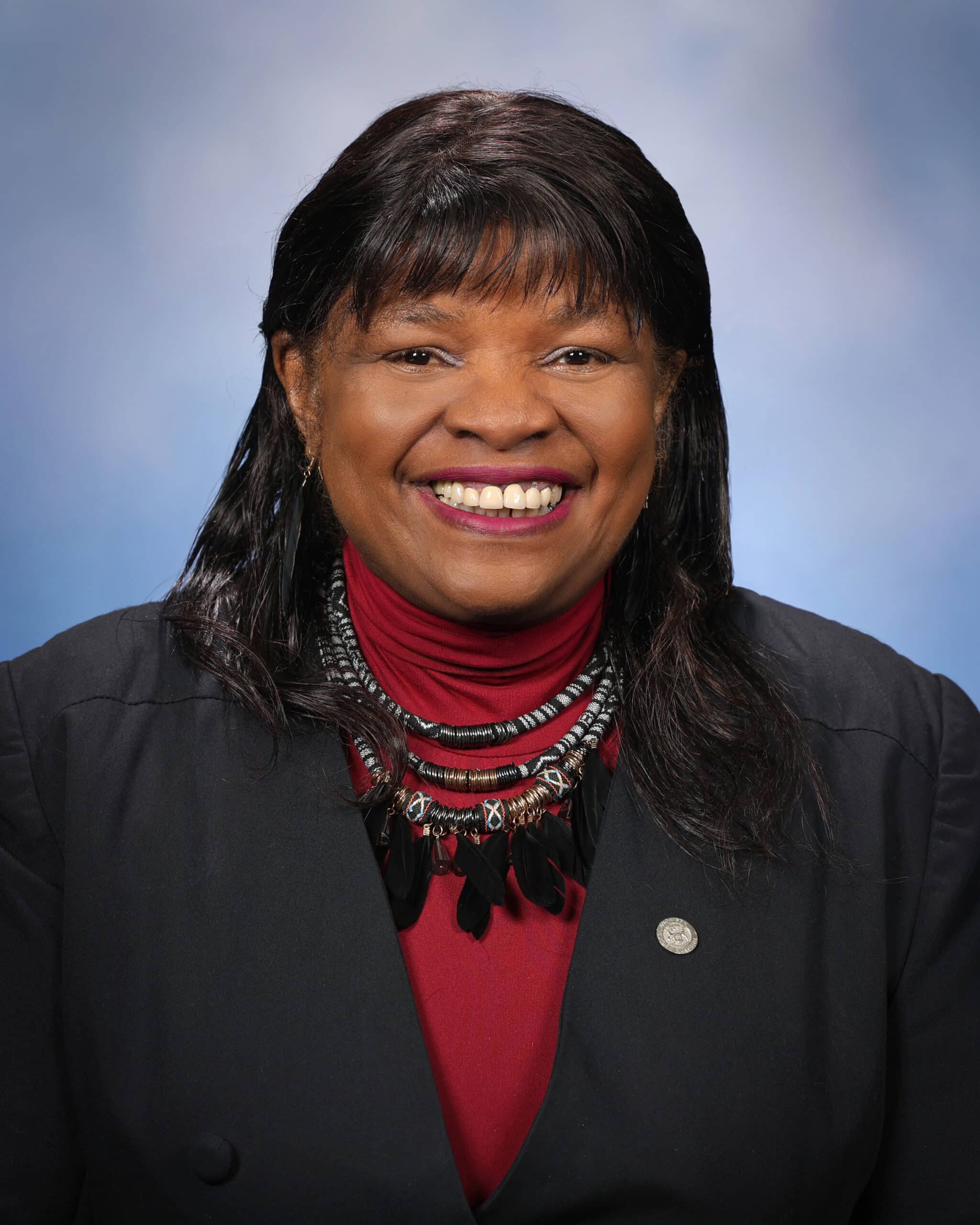
Rep. Brenda Carter
Sponsored bills
Maddy summaryHB 4103 adds a new section to Michigan's health occupations law to implement an occupational therapy licensure compact. This bill allows occupational therapists licensed in Michigan to practice in other participating states without obtaining separate licenses, and vice versa for therapists from other compact states. It directly affects occupational therapists seeking to work across state lines, reducing barriers to practice. The compact mechanism establishes standardized licensing requirements among participating states, streamlining the process for therapists to provide services in multiple jurisdictions.
Maddy summaryHB 4207 amends Michigan's insurance code to exclude "federal excepted benefits" from standard health insurance coverage requirements. It changes the definition of "health benefit plan" to clarify that coverage for specific federal benefits (like certain military or Indian Health Service programs) is not required under state health insurance policies. This directly affects health insurance carriers and policyholders in Michigan by narrowing what must be included in basic health coverage under state law. The bill makes this change by updating Section 3701 of the Insurance Code to exclude these federal benefits from the definition of covered services.
Maddy summaryHB 4104 updates Michigan's occupational therapy licensing rules to join a multi-state licensure compact. This would allow occupational therapists licensed in Michigan to practice in other participating states without obtaining separate licenses. The bill modifies existing law to align with the compact's standards and adds new sections for implementation. It directly affects occupational therapists seeking to work across state lines within the compact.
Maddy summaryHB 4208 clarifies that Michigan health insurance policies do not include certain federal "excepted benefits" (such as specific wellness programs or limited-scope coverage) as defined under federal law. This directly affects health insurers and policyholders in Michigan by defining what qualifies as a health insurance policy under state law. The bill amends Michigan's insurance code to explicitly exclude these federal excepted benefits from being counted as health insurance coverage. This change ensures state regulations align with federal definitions for these specific benefits.
Maddy summaryHB 5249 creates a new "adaptive care license" for ambulance operations currently licensed only for basic life support (BLS). It allows these operations to gradually upgrade to provide limited advanced life support (ALS) or advanced life support (ALS) services, provided they demonstrate staffing and equipment readiness for higher care levels by January 1, 2025. The license requires annual documentation of progress toward this upgrade, including training and equipment plans, and must be renewed annually alongside the operation's regular license. This applies specifically to ambulance services owned or contracted by local governments that previously provided only BLS for emergency response.
Maddy summaryThis bill authorizes Michigan to join the National Popular Vote Interstate Compact, an agreement among states to award all their electoral votes to the presidential candidate who wins the most votes nationwide. The legislation declares that the one-person, one-vote principle requires the candidate with the highest national total to become President and outlines how Michigan's chief election official would count votes and designate the winner once the compact is active. The agreement only takes effect when states participating in it collectively hold a majority of the Electoral College votes, ensuring the current system remains in place until that threshold is met. If the compact becomes active, Michigan's laws regarding elector appointment will follow the compact's rules rather than conflicting state statutes.
Maddy summaryThis bill, titled the Safe Access to Facilities Act, prohibits Michigan state and local government agencies from allowing federal immigration officers into nonpublic areas unless a court issues a judicial warrant. The law specifically targets the conduct of government employees, requiring them to refuse entry to private spaces without a warrant based on probable cause. However, the legislation includes exceptions that allow access without a warrant during criminal investigations, when there is an immediate threat to public safety, or when emergency medical care is needed.
Maddy summaryThis bill, known as the Shielding Information for Lawful and Ethical Disclosure Act, prevents Michigan government agencies from sharing large amounts of personal data with federal immigration officials without specific authorization. It defines "bulk disclosure" as transferring data on multiple people without reviewing each case individually and allows such sharing only if a court order exists, the transfer serves a specific law enforcement purpose, or it is immediately necessary to protect health and safety. The law applies to all state, county, and municipal departments and officers, while giving the state attorney general the power to seek court orders to stop illegal data sharing.
Maddy summaryThis bill amends Michigan's environmental laws to strengthen regulations on the recycling and disposal of single-use and rechargeable batteries. It establishes a new "battery stewardship" program that will require producers to manage the end-of-life disposal of covered batteries starting in 2028, ensuring they are handled through approved programs rather than general waste. The legislation also sets a sales ban on certain covered batteries beginning in 2028, allowing only those from manufacturers with approved stewardship plans to be sold. Additionally, the bill updates existing definitions and penalties for improper battery disposal while creating a formal process for producers to submit and have their disposal plans reviewed by the state department.