

Maddy summaryThis bill requires original equipment manufacturers of motorized wheelchairs to provide certain parts, tools, and documentation to owners and independent repair providers. It amends Michigan's Consumer Protection Act to add new provisions specifically addressing the rights of wheelchair owners and third-party repair technicians. The legislation aims to ensure that wheelchair owners and independent repair providers have access to necessary components and information needed for maintenance and repairs. This policy change directly affects wheelchair manufacturers, owners of motorized wheelchairs, and independent repair service providers.
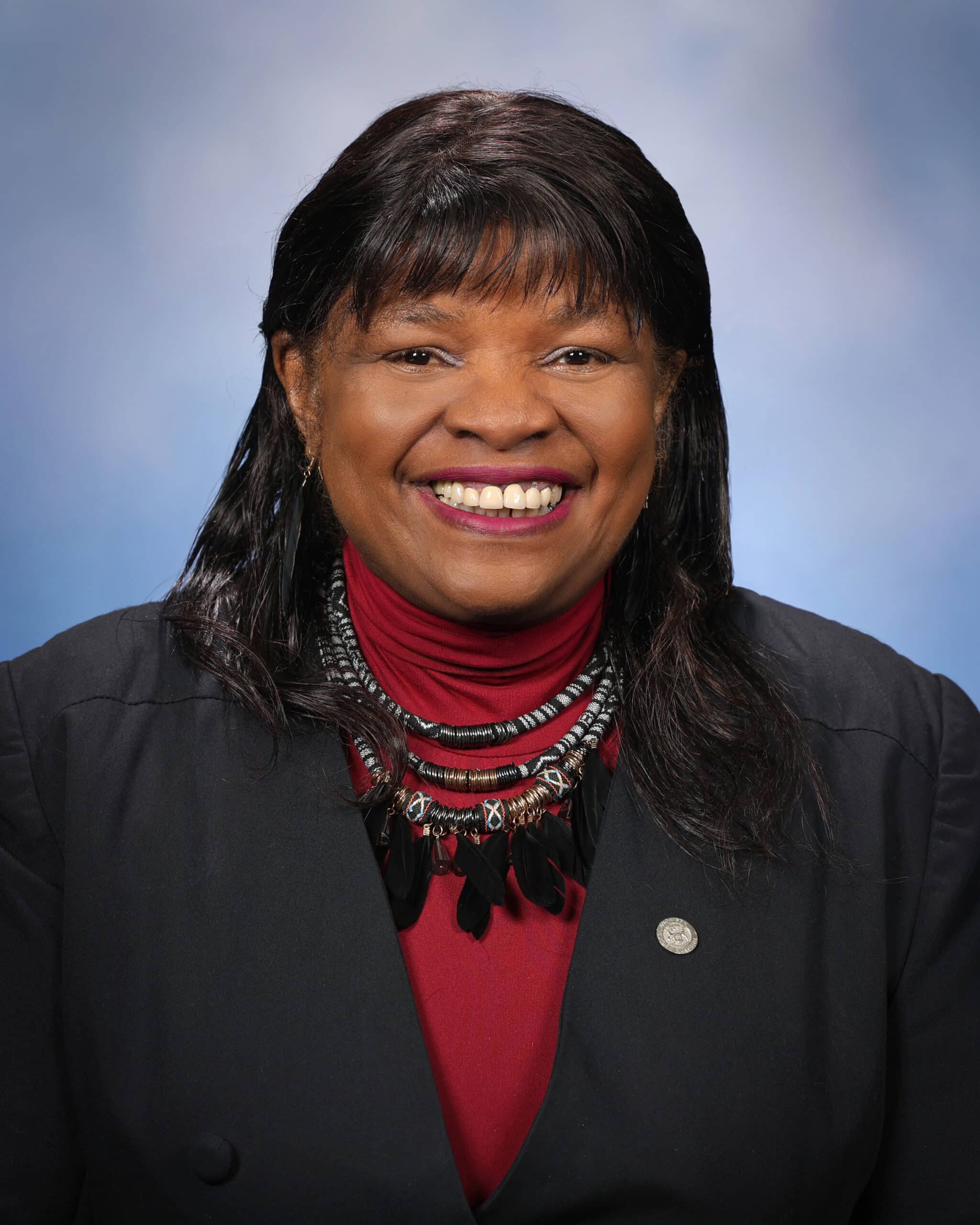
Rep. Brenda Carter
Sponsored bills
Maddy summaryThis bill amends Michigan's vehicle code to require drivers to pass county road worker vehicles with the same caution and speed restrictions as they must when passing stationary emergency vehicles. It defines road work vehicles as those used for construction, maintenance, or utility work displaying flashing red or amber lights, and updates the legal definitions of authorized emergency vehicles to include these road service vehicles. Drivers must reduce their speed by at least 10 miles per hour and move at least one lane or two vehicle widths away from the stationary vehicle when possible, with penalties including civil fines for violations. The changes apply to all public roadways and align the treatment of road workers with that of police, firefighters, and other emergency responders.
Maddy summaryThis bill expands the legal definition of a work zone to include areas marked by temporary traffic control devices like cones, flares, or vehicles with rotating beacons, ensuring clearer boundaries for construction and road work areas. It strengthens penalties for moving violations in work zones by doubling fines for standard violations and introducing misdemeanor or felony charges when such violations cause injury or death to workers or other individuals. The bill applies these stricter penalties only when the violation involves three or more points and excludes cases where the injured or deceased person was negligent. Like related bills HB 5703 and HB 5704, this legislation requires all three to be enacted together to take effect.
Maddy summaryThis bill proposes changes to Michigan's sentencing guidelines for crimes that result in injury or death within work zones. It directly affects prosecutors, judges, and defendants involved in such cases by modifying how sentences are calculated under existing criminal procedure law. The amendment to section 12e of the Code of Criminal Procedure would update the statutory framework governing these specific offenses. The bill is tied with related legislation HB 5702 and HB 5704, indicating coordinated legislative action on sentencing policy.
Maddy summaryThis bill requires nursing homes in Michigan to ensure all unlicensed staff members complete a fall prevention training program. The Michigan Department of Health and Human Services will develop and manage this training program in consultation with relevant health agencies. The law applies specifically to unlicensed personnel working in nursing home facilities, mandating they finish the required training. This change aims to standardize fall prevention education for non-licensed staff across the state's nursing homes.
Maddy summaryThis bill requires employers in Michigan to pay employees their regular hourly wage for time spent participating in mandatory fall prevention training programs. The law applies to any employer who must ensure their staff complete the fall prevention training established under state public health regulations. By compensating workers for this required training time, the bill aims to remove financial barriers that might prevent employees from completing safety education. The legislation creates a new legal requirement for wage payment specifically tied to fall prevention training participation.
Maddy summaryHB 5384 modifies Michigan's insurance code to allow more business entities to participate in sponsored captive insurance companies without requiring them to be shareholders or affiliates. The bill expands eligibility to include associations, corporations, LLCs, partnerships, and trusts that use these specialized insurers to cover their own risks or related businesses' risks. It removes the previous requirement that participants must own shares in the captive company or be affiliated with it. This change directly affects businesses seeking to self-insure through captive structures, making it easier to establish such arrangements under Michigan law. The bill does not alter the core rule that captives must primarily insure the participant's own risks or approved affiliates' risks.
Maddy summaryThis bill requires United States Immigration and Customs Enforcement agents working in Michigan to activate body-worn cameras when interacting with the public, except in private places where individuals expect privacy. The law mandates that these cameras record audio and video of the agents' activities during such interactions and establishes a civil infraction with a fine of up to $500 for non-compliance. Additionally, the bill specifies that agents who fail to pay the imposed fine would be deemed ineligible to work in the state until the debt is settled. The legislation applies specifically to federal ICE agents operating within Michigan's borders and creates a new regulatory framework for their use of recording technology.
Maddy summaryThis bill declares March 2026 as Kidney Month in Michigan to raise public awareness about chronic kidney disease. It does not change laws or allocate funding but serves as a symbolic resolution to highlight the importance of kidney health. The measure aims to encourage early detection and screening for kidney disease, which often has no symptoms until advanced stages. By designating this month, the legislature supports ongoing efforts by health organizations to educate Michigan residents about kidney disease risks and prevention.
Maddy summaryHB 5592 creates a new licensure requirement for freestanding hyperbaric oxygen therapy facilities in Michigan. It directly affects independent medical facilities that provide hyperbaric oxygen therapy, which uses high-oxygen environments to treat specific medical conditions like non-healing wounds. The bill amends Michigan's Public Health Code to establish specific standards and oversight for these facilities, including facility requirements and operational guidelines. This change ensures these specialized treatment centers meet defined safety and quality standards under state regulation.