

Maddy summaryThis House resolution calls on the Department of Justice to investigate every individual named in the Epstein files, regardless of their political affiliation. The measure responds to the release of millions of documents and a previous statement by the Acting Attorney General that no further federal prosecutions would occur. It urges the government to distinguish between victims, active participants, and those merely mentioned to ensure accountability for all potential perpetrators. As a non-binding resolution, it does not create new laws but formally requests that the Justice Department take action on this specific matter.
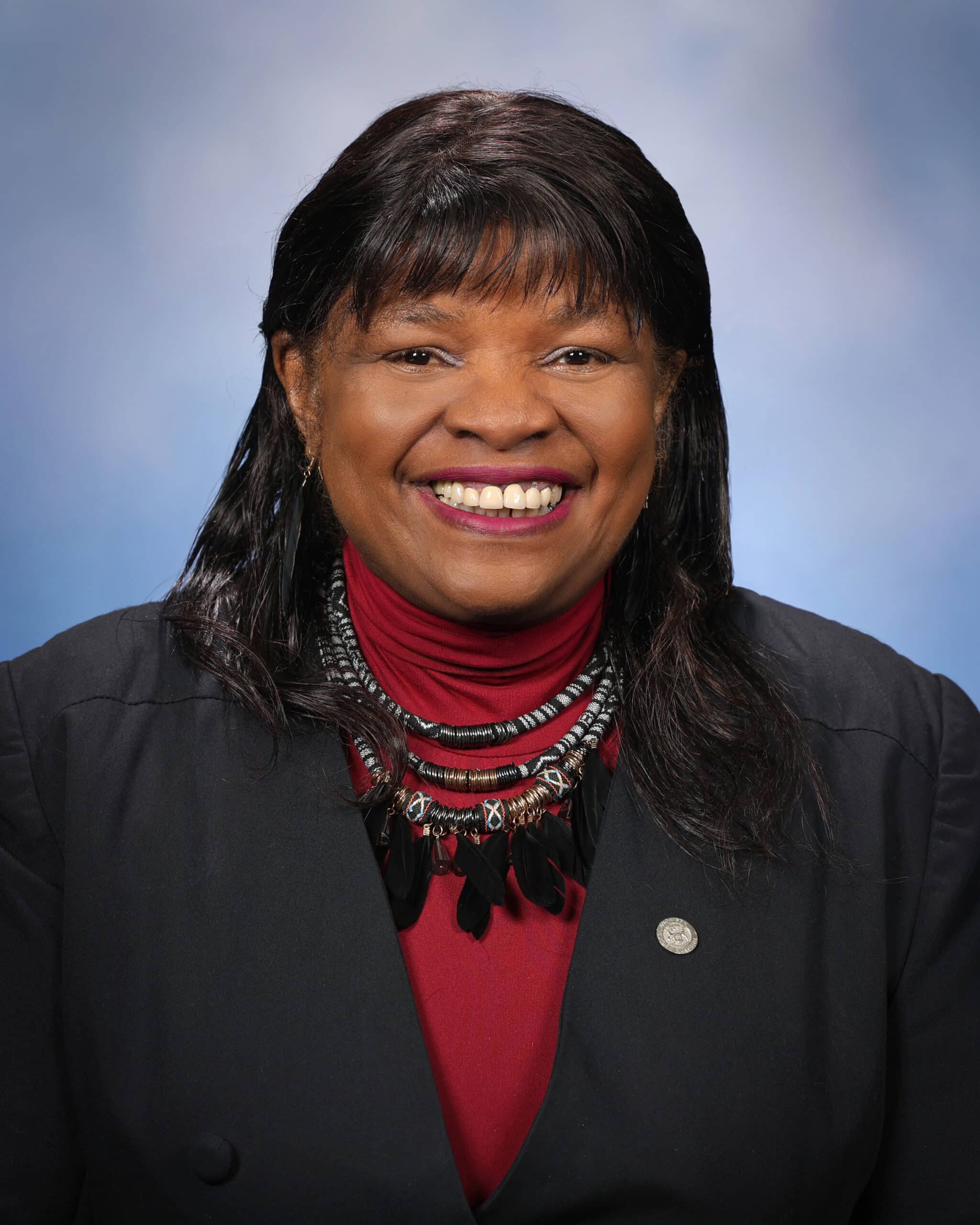
Rep. Brenda Carter
Sponsored bills
Maddy summaryThis legislative resolution asks the U.S. Department of Housing and Urban Development and the Michigan State Housing Development Authority to boost funding for maintaining, repairing, and building new subsidized housing. It also requests that these agencies ensure public housing authorities strictly follow federal and state laws regarding health, safety, and living conditions. As a non-binding resolution, it does not change laws or allocate money but serves to formally urge these organizations to take specific actions.
Maddy summaryThis bill prohibits licensed concealed pistol carriers from bringing firearms into specific state buildings and certain public venues, including schools, hospitals, sports arenas, and places of worship. It also bans portable electro-muscular disruption devices in these same locations, with exceptions for parking areas and certain law enforcement personnel. The legislation applies to all licensed individuals except retired police officers, security contractors, private investigators, and other designated law enforcement roles who are permitted to carry weapons on these premises. Violations result in civil fines, license suspensions, or criminal penalties depending on whether it is a first, second, or subsequent offense.
Maddy summaryThis bill would prohibit the sale, offer for sale, and possession of ammunition magazines capable of holding more than 10 rounds in Michigan starting January 1, 2027. The law applies to all individuals within the state and would classify violations as misdemeanors punishable by up to 90 days in jail, a fine of $500, or both. It directly affects gun owners, retailers, and manufacturers by restricting access to high-capacity magazines while allowing magazines with 10 rounds or fewer. The legislation amends Michigan's penal code to establish these new restrictions on ammunition storage and distribution.
Maddy summaryThis bill, known as Messiah's Law, creates a new felony offense for intentionally firing a gun at a vehicle the shooter knows or should know is occupied. The law directly affects individuals who commit this act and establishes penalties of up to 10 years in prison and a $10,000 fine. If a minor is present in the vehicle, the penalties increase to up to 20 years in prison and a $20,000 fine. The legislation amends Michigan's penal code by adding a specific section to address this conduct. The bill would take effect 90 days after being signed into law.
Maddy summaryThis bill would require sellers to wait at least three days after completing a firearm sale before delivering the weapon to the buyer. It also prohibits sellers from selling firearms to individuals under indictment for a felony or those legally barred from owning guns. The legislation applies to anyone selling firearms in Michigan and carries penalties ranging from misdemeanor fines to felony imprisonment for violations.
Maddy summaryThis bill requires individuals in Michigan to obtain a license before purchasing, carrying, possessing, or transporting any firearm, including both pistols and other firearms. It establishes specific eligibility criteria for licensing, such as being at least 18 years old (21 for pistols), being a U.S. citizen or legal resident, and having completed a pistol safety training course. The legislation also mandates that law enforcement officials issue licenses to qualified applicants without unnecessary delay, unless there is probable cause to believe the applicant poses a threat or would commit a crime. Additionally, the bill requires firearm sellers to complete and submit license forms documenting each transaction, with specific reporting timelines for pistol purchases.
Maddy summaryThis bill prohibits the manufacture, sale, or possession of bump stocks and multiburst trigger activators in Michigan. It amends the state penal code to explicitly classify these devices as illegal weapons alongside machine guns and silencers. The legislation defines bump stocks as devices that allow semiautomatic firearms to fire multiple rounds with a single trigger pull by using recoil energy, and multiburst trigger activators as devices that increase a firearm's rate of fire. Violations are classified as felonies punishable by up to five years in prison, a fine of up to $2,500, or both. The law includes exemptions for licensed federal firearms manufacturers and certain government contractors.
Maddy summaryThis bill amends Michigan state law to clarify that local governments are allowed to impose certain restrictions on firearms within their jurisdictions. It permits municipalities to regulate how employees carry guns at work, set rules for open carry in government buildings, and establish age-based supervision requirements for pneumatic guns. The legislation also allows local authorities to prohibit threatening displays of pneumatic guns and to ban open carry in their facilities, except for law enforcement officers. These provisions aim to give communities more flexibility in creating their own firearm safety policies while maintaining state-level oversight.
Maddy summaryThis bill prohibits individuals from carrying firearms in specific state buildings, including the Michigan State Capitol, the Anderson House Office Building, and the Binsfeld Senate Office Building, with exceptions for security personnel, peace officers, and licensed concealed pistol carriers serving as legislators. It also expands existing restrictions by banning firearms in polling places, early voting sites, and within 100 feet of ballot drop boxes for 40 days before an election, while allowing law enforcement and licensed carriers to carry in these areas. The legislation applies to various other locations such as financial institutions, churches, courts, theaters, sports arenas, day care centers, hospitals, and licensed liquor establishments, with similar exemptions for security staff, peace officers, and permit holders. Violations of these provisions are classified as misdemeanors punishable by up to 90 days in jail, a fine of up to $100, or both.