

Maddy summaryHR 196 is a resolution demanding Michigan's Secretary of State comply with a federal request for an unredacted copy of the state's voter registration list, as required by the Civil Rights Act of 1960 and the National Voter Registration Act of 1993. It directly affects the Michigan Secretary of State's office by mandating disclosure of voter data within legal limits. The bill does not create new law but compels adherence to existing federal requirements for voter list transparency. This procedural resolution focuses solely on directing state compliance with federal mandates, not altering election policies.
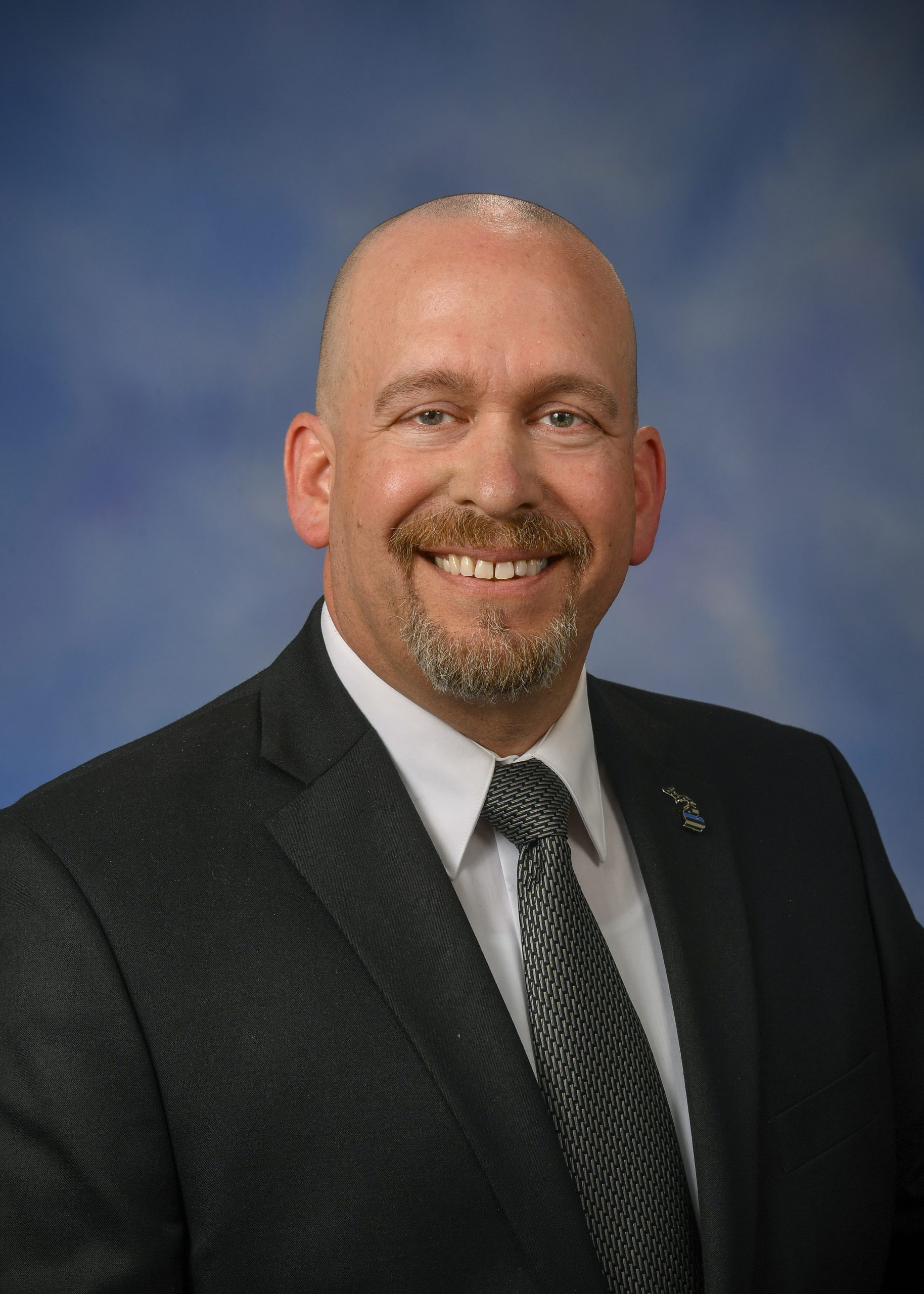
Rep. Mike Harris
Sponsored bills
Maddy summaryHB 4663 allows liquor license holders in Michigan to donate a portion of their profits to tax-exempt nonprofits (501(c)(3) organizations) after recording those profits on their financial records. Licensees must report these profits to the Liquor Control Commission upon request. The bill specifically prohibits nonprofits that receive a special license for an event from using donated funds to cover costs for that same event. This change directly affects licensed liquor businesses and qualifying nonprofits by creating a new, regulated pathway for charitable giving.
Maddy summaryHB 5148 prohibits local governments and towing companies from exchanging payments or fees to secure contracts for towing services. It bans local units from requiring tow companies to pay fees for responding to incidents (like accidents or disabled vehicles) and prevents tow companies from offering payments to governments to gain business. This directly affects local governments entering contracts with towing services and the towing companies themselves. The bill focuses on preventing conflicts of interest in towing contracts, not on altering traffic fine amounts (which are addressed in other sections of the vehicle code).
Maddy summaryHB 5149 prohibits motor vehicle repair facilities in Michigan from charging storage fees while a vehicle is under repair or during billing disputes. It requires facilities to provide customers with a written, itemized estimate before work begins, including all fees and charges, and bans exceeding that estimate without the customer’s written or oral consent. The bill specifically targets hidden storage fees (Section 7e(f)) and strengthens existing estimate requirements (Section 32), applying directly to repair shops and their customers. This policy change aims to prevent surprise charges and increase transparency in vehicle repair billing.
Maddy summaryHB 5147 establishes new rules for towing damaged or disabled vehicles in Michigan. It requires towing agencies to provide written disclosures before towing, including costs, storage location, and owner rights (Section 271), and to issue itemized final invoices detailing all charges and vehicle condition (Section 272). Towing companies must maintain records for five years and post disclosure information visibly (Sections 273-274). These rules directly affect towing businesses and vehicle owners, ensuring transparency before towing and during storage. Violations prevent agencies from charging fees or enforcing contracts (Section 271(6)).
Maddy summaryHB 5146 clarifies procedures for handling abandoned vehicles and towing services in Michigan. It defines "abandoned vehicle" more precisely (e.g., vehicles left on public property for 18+ hours with valid plates) and requires police to verify if a vehicle is stolen before towing. The bill mandates that owners receive written notice with details about the vehicle and their right to contest abandonment or towing fees within 20 days, including a $40 bond requirement for hearings. It also creates a public website listing abandoned vehicles for 1 year, affecting vehicle owners, towing agencies, and law enforcement.
Maddy summaryHB 4432 creates a $2,500 refundable state income tax credit for qualified volunteer emergency medical services (EMS) personnel in Michigan, effective for tax years beginning January 1, 2025. To qualify, volunteers must serve at least 10 hours monthly with a life support agency (like EMS organizations), receive no hourly wage or salary, and only be reimbursed for reasonable expenses or receive customary benefits. The credit requires a signed verification statement from the agency confirming the volunteer’s service hours, compliance with training standards, and non-salary compensation. This directly affects unpaid EMS volunteers who meet these criteria, reducing their state tax liability or providing a refund if the credit exceeds their tax bill.
Maddy summaryHB 4691 amends Michigan's Vehicle Code to increase penalties for drivers who flee or elude police officers. It creates four tiers of felony sentencing based on the severity of the violation: fourth-degree (up to 2 years for basic evasion), third-degree (1-5 years if collision occurs or in low-speed zones), second-degree (2-10 years for serious injury or prior convictions), and first-degree (5-15 years if death results). The bill specifically defines "serious injury" to include loss of limbs, brain damage, or coma. This directly affects drivers who fail to stop for police in uniform with marked vehicles, with penalties escalating based on outcomes like collisions, injuries, or prior offenses.
Maddy summaryHB 4690 mandates fixed prison sentences for certain violent or gun-related crimes by amending Michigan's sentencing law (MCL 750.479a). It directly affects defendants convicted of these specific offenses, as judges must now impose predetermined terms instead of exercising discretion. The key provision requires minimum sentence lengths for these cases, removing judicial flexibility in sentencing. This policy change applies to new convictions under the amended law.
Maddy summaryThis is a ceremonial resolution (HR 189) passed by the Michigan House of Representatives to honor the Detroit Red Wings hockey team on its 100th season. It does not create new laws or affect any policies; it simply recognizes the team's historical significance to Michigan. The resolution cites the Red Wings' founding in 1926, 11 Stanley Cup championships, cultural impact as "Hockeytown," and community work through their foundation. The House formally resolved to commemorate the team and transmitted a copy to the Red Wings organization as a gesture of appreciation.