

Maddy summaryHB 4640 updates Michigan's environmental cleanup rules by clarifying how background levels of contaminants in soil are determined. It requires property buyers to conduct an "all appropriate inquiry" before purchase to establish baseline contamination levels, preventing unnecessary cleanup costs for naturally occurring pollutants. The bill amends cleanup standards to use scientific data from the Michigan Background Soil Survey, directly affecting property developers, real estate transactions, and environmental agencies managing contaminated sites. This change ensures cleanup efforts focus only on pollution caused by human activity, not natural soil conditions.
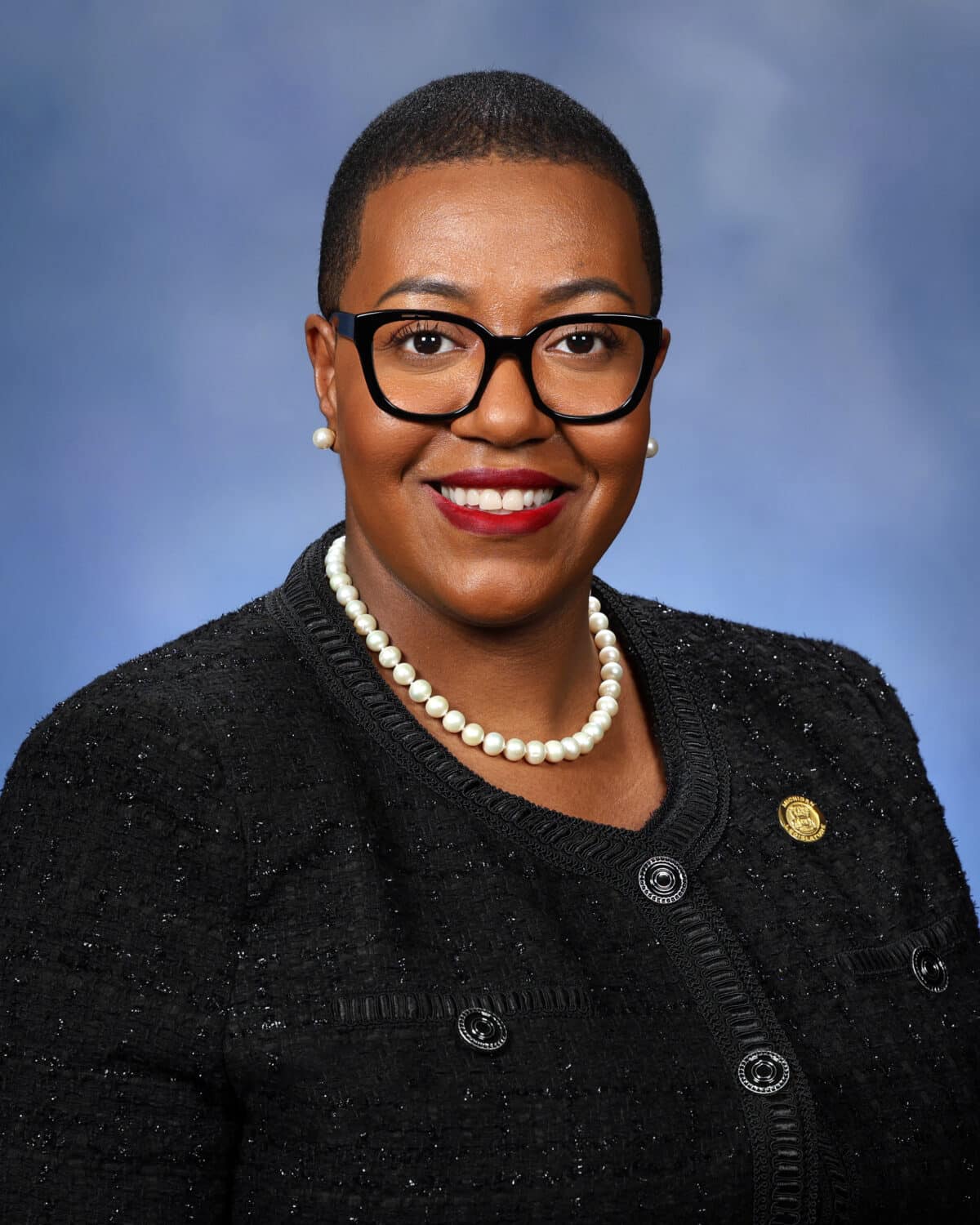
Rep. Morgan Foreman
Sponsored bills
Maddy summaryHB 4627 amends Michigan's Campaign Finance Act (MCL 169.261) to replace gendered language with inclusive, gender-neutral terms. Specifically, it changes references like "husband and wife spouses" in Section 61(2) to remove gender specificity, ensuring the law applies equally regardless of marital or gender identity. This technical correction affects how the campaign finance law is written but does not alter funding mechanisms, contribution limits, or eligibility rules for campaign finance participants. The bill solely updates outdated terminology to align with current inclusive standards. As a procedural amendment, it requires no substantive policy change to the state campaign fund system.
Maddy summaryHB 4631 updates Michigan's Public Safety Officers Benefit Act to remove gendered language from key definitions. It changes "husband or wife" to "spouse" in the definition of "surviving spouse" (subsection k) and replaces gendered references like "his or her" with neutral terms throughout the act. This ensures the law applies equally to all public safety officers and their spouses, regardless of gender, without altering benefit amounts or eligibility rules. The bill affects public safety officers (including law enforcement, firefighters, and emergency medical personnel) and their families covered under the benefit act.
Maddy summaryHB 4634 amends Michigan's probate code to update the process for appointing guardians and conservators for individuals who may lack decision-making capacity. It requires petitioners to include specific examples of an individual's condition and mandates courts to provide written information about alternatives like limited guardianship or durable power of attorney before filing. The bill also requires detailed medical evaluations by court-appointed professionals, including medication details and prognosis, and strengthens the individual's rights to be present at hearings, have legal counsel, and present evidence.
Maddy summaryHB 4632 amends Michigan's guardianship and conservatorship laws to strengthen oversight of professional guardians and conservators who manage care for vulnerable adults. It requires these professionals to submit criminal background checks, file a financial bond, and establish regular visitation schedules with their wards within three months of appointment. The bill also mandates transparency about outside compensation and prohibits delegating critical decisions (like medical care) to support staff, while allowing them to provide information under direct supervision. These changes apply to court-appointed professionals managing estates or personal care for individuals under legal protection.
Maddy summaryHB 4626 updates Michigan's community property law (MCL 557.253 and 557.254) by replacing gender-specific terms like "husband and wife" with gender-neutral language such as "spouses." This change modernizes the statute's wording without altering the substance of property rights or rules related to community property. The bill applies to all property governed by the law, including existing holdings and future acquisitions, ensuring consistent language for married couples regardless of gender. It is a technical revision to align the legal text with inclusive standards, not a substantive policy change.
Maddy summaryHB 4622 updates Michigan's divorce law to use gender-neutral language by replacing terms like "husband," "wife," and "his" or "her" with "spouse" throughout Sections 1 and 2 of the 1909 divorce statute (MCL 552.101-552.102). It specifically revises provisions about dividing insurance benefits, pensions, retirement assets, and real estate ownership in divorce judgments to apply equally to all spouses. The bill does not change how divorce settlements are calculated or affect legal outcomes - it only modernizes the language to be inclusive. This is a procedural update to the statute, not a substantive policy change.
Maddy summaryHR 127 is a resolution urging the U.S. Department of Labor to reverse its decision to pause all Job Corps center operations by June 30, 2025, with specific focus on the Detroit center. It directly affects approximately 217 enrolled youth at the Detroit Job Corps Center, who were reportedly told to leave immediately on May 30, 2025, with reports of some facing homelessness. The resolution cites the program’s 60-year history of providing career training, high school completion, and wraparound services (like mental health support) to disadvantaged youth aged 16-24. It emphasizes that the sudden pause disrupts critical services for Detroit youth and communities, as 321 Michigan participants were enrolled at the Detroit center as of 2023. The resolution has no binding effect but formally requests the Department of Labor reverse its operational pause.
Maddy summaryHB 4619 updates Michigan's marriage license law to remove gendered language. It changes references like "man or woman" in the residency requirement for obtaining a marriage license to gender-neutral terms. This affects anyone applying for a marriage license in Michigan by ensuring the process uses inclusive language. The bill amends Section 1 of the 1887 Marriage Act (MCL 551.101) without altering eligibility for marriage. It is a procedural language change, not a policy shift on marriage rights.
Maddy summaryHB 4550 amends Michigan's bingo and charitable gaming law (MCL 432.105d) to prohibit qualified organizations from offering firearms as prizes in raffles held on school grounds. This directly affects schools, charities, and other groups hosting raffles on public or private K-12 school property. The key provision adds a specific ban: raffles at schools cannot include firearms as prizes, with "firearm" defined under existing law and "school" excluding homeschools. The amendment clarifies that this prohibition applies to all raffles conducted on school grounds, regardless of the raffle's size or prize value.