

Maddy summaryHB 4633 amends Michigan's probate code to strengthen rights and information for individuals alleged to be incapacitated during guardianship proceedings. It requires court-appointed guardians ad litem to explain key rights, including the right to contest the petition, request limits on a guardian's powers (especially regarding do-not-resuscitate orders or physician treatment orders), and the right to legal counsel. The bill mandates that if an individual requests legal representation or the guardian ad litem determines it's necessary, the court must appoint counsel at state expense if the individual is indigent. This directly affects people facing guardianship hearings, ensuring they receive clear information about their medical directives and legal options before a guardian is appointed.
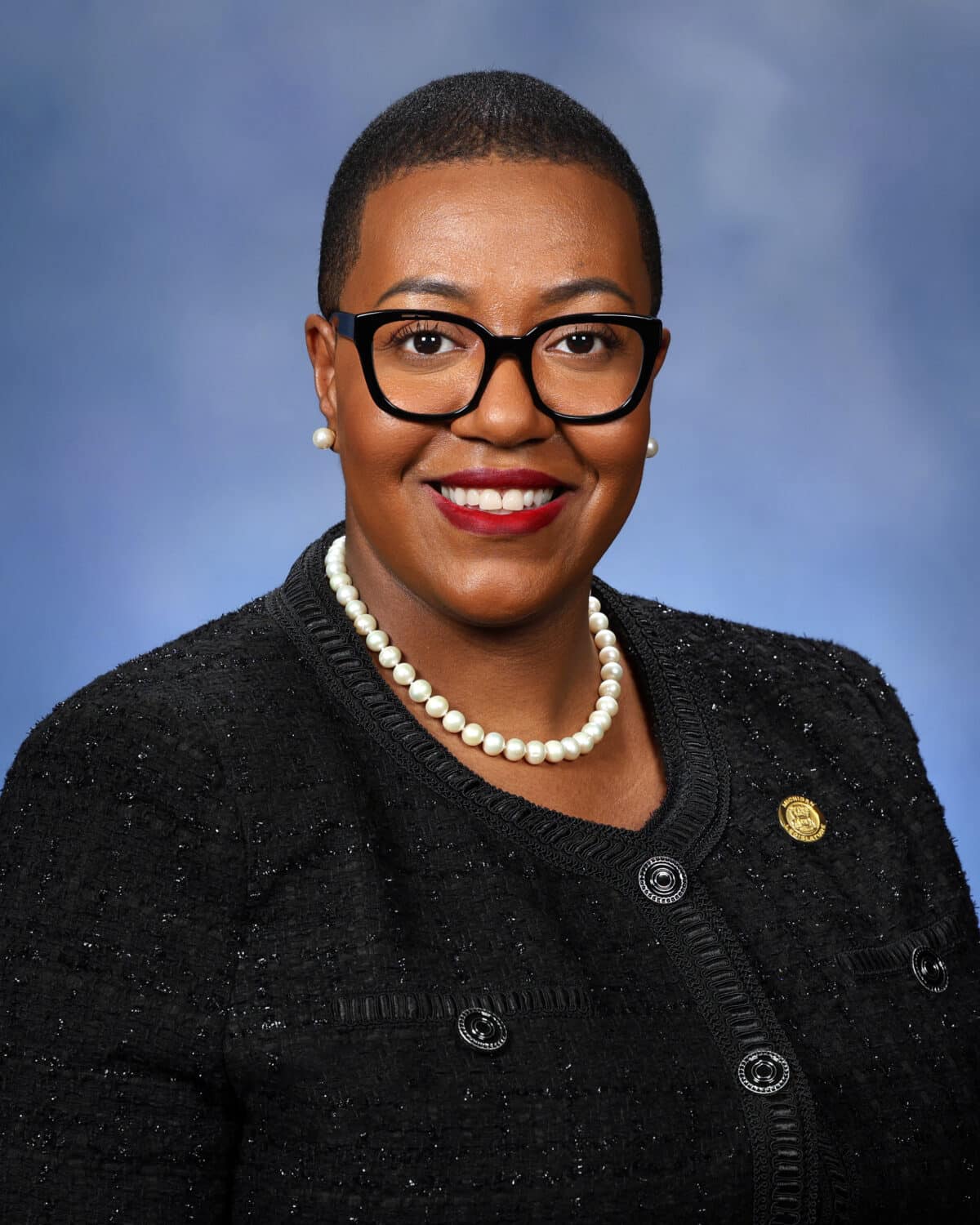
Rep. Morgan Foreman
Sponsored bills
Maddy summaryHB 4623 amends Michigan's Uniform Partnership Act to remove gendered language from the definition of a partnership. Specifically, it replaces the phrase "husband and wife" with gender-neutral terms like "spouses" or "partners," ensuring the law applies equally to all partnership types regardless of gender or marital status. This change directly affects all businesses in Michigan that operate as partnerships, including those formed by same-sex couples or non-married individuals. The bill updates existing statute MCL 449.6 to reflect modern business practices without creating new requirements. It does not alter partnership rights or obligations, only the language used in the legal definition.
Maddy summaryHB 4639 modifies Michigan's statute of limitations for groundwater contamination cases involving hazardous substances. It specifies that legal claims for damages accrue when a plaintiff discovers the contamination or should have discovered it, rather than when the contamination initially occurred. This change directly affects individuals or communities suing over groundwater pollution from sources like industrial leaks or spills. The provision aims to give plaintiffs more time to pursue claims once they become aware of the harm, aligning the timeline with actual discovery of the issue.
Maddy summaryHB 4635 creates a new process for appointing temporary guardians for individuals who cannot make decisions for themselves (incapacitated persons), requiring immediate action to protect their welfare. Courts may appoint a temporary guardian for up to six months if specific conditions are met, such as following court rules for emergency orders or complying with existing petition requirements. During this period, the temporary guardian assumes care and custody, suspending the authority of any permanent guardian, and must report to the court. A permanent guardianship appointment must be scheduled within 28 days of the temporary appointment, streamlining the transition while ensuring timely oversight. This bill directly affects vulnerable individuals and their families navigating urgent guardianship needs.
Maddy summaryHB 4629 amends Michigan's divorce and marriage laws to replace gendered terms like "husband and wife" with gender-neutral language such as "spouses" in sections 9f, 23, 27, 36, and 37 of the Michigan Compiled Laws (MCL 552.9f et seq.). This change updates statutory language to be inclusive for all couples, without altering existing legal procedures or requirements for divorce, alimony, or marriage annulment. The bill directly affects legal documents, court filings, and proceedings under Michigan's divorce law. It is a procedural update to modernize terminology, not a substantive policy change.
Maddy summaryHB 4628 updates Michigan's Revised Judicature Act to replace gendered terms like "husband and wife" with neutral language such as "spouse" or "individual" across multiple sections. It specifically amends provisions in Sections 1410, 2005, 2162, 2807, 3344, 5451, 6023a, and 6131, which govern civil procedures, spousal privileges, property rights, and bankruptcy exemptions. The bill does not change legal rights or procedures but ensures court documents and laws use inclusive language. This affects anyone involved in Michigan civil or family court cases, including plaintiffs, defendants, and legal professionals.
Maddy summaryHB 4638 amends Michigan's Administrative Procedures Act to exclude environmental cleanup criteria and target detection limits from the definition of "rules" requiring formal rulemaking. This specifically affects the Department of Environment, Great Lakes, and Energy (EGLE), as their cleanup standards under the Natural Resources and Environmental Protection Act will no longer need to follow standard rulemaking procedures. The bill adds these environmental standards to an existing list of exclusions in Section 7 of the Administrative Procedures Act. This change streamlines regulatory processes for EGLE's environmental cleanup work without altering the standards themselves.
Maddy summaryHB 4636 amends Michigan’s environmental cleanup law to require that contaminated site cleanups meet residential land use standards and restore groundwater to safe drinking water standards, where technically feasible. It directly affects property owners, developers, and environmental agencies responsible for cleaning up polluted sites by establishing clear cleanup categories (like residential or nonresidential) and allowing site-specific alternatives only when meeting standard criteria is proven technically infeasible. The bill specifies that cleanups must protect public health, stop contamination spread, and comply with state/federal standards, with exceptions permitted only if documented technical infeasibility exists or if the environmental benefit of stricter cleanup would be outweighed by negative impacts. This update clarifies existing rules under Michigan’s Natural Resources and Environmental Protection Act (MCL 324.20118 et seq.) without creating new programs.
Maddy summaryHB 4637 would allow individuals exposed to a proven toxic substance to pursue legal claims for medical monitoring costs. It amends Michigan's Natural Resources and Environmental Protection Act (1994 PA 451) by adding Section 20136 to enable these lawsuits, while also modifying existing liability provisions in Sections 20126 and 20140. The bill directly affects people exposed to toxic substances who seek ongoing medical monitoring, though the provided text does not detail specific eligibility criteria or procedural requirements for the new claim. The context lacks the full text of the added Section 20136, so key mechanisms like cost coverage or qualifying substances cannot be described. This is a substantive policy change, not a procedural resolution.
Maddy summaryHB 4630 amends Michigan law to make marriage license provisions gender-neutral by removing the phrase "of the opposite sex" from the existing secrecy provision for marriage licenses. The bill affects individuals seeking to keep their marriage date confidential, ensuring the process applies equally regardless of the applicants' genders. Key provisions update Section 1 of 1897 PA 180 (MCL 551.201) to allow probate judges to issue marriage licenses without publicity for any applicant with a valid reason, without specifying gender. This change aligns the law with current marriage equality standards but does not alter the underlying secrecy process or requirements. The bill's effective date depends on a related constitutional amendment request (HJR F'25) being approved.