

Maddy summaryThis House resolution calls on the Department of Justice to investigate every individual named in the Epstein files, regardless of their political affiliation. The measure responds to the release of millions of documents and a previous statement by the Acting Attorney General that no further federal prosecutions would occur. It urges the government to distinguish between victims, active participants, and those merely mentioned to ensure accountability for all potential perpetrators. As a non-binding resolution, it does not create new laws but formally requests that the Justice Department take action on this specific matter.
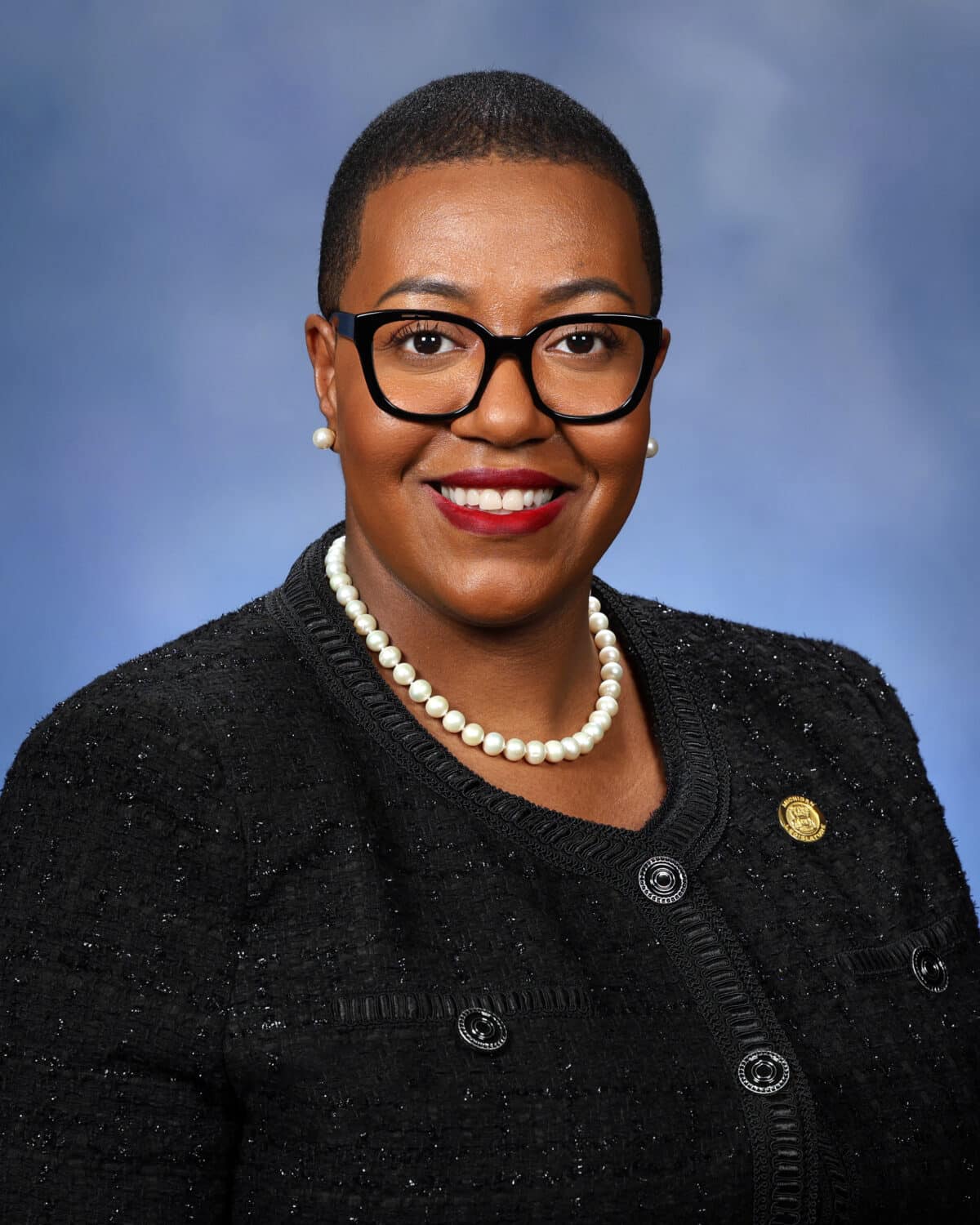
Rep. Morgan Foreman
Sponsored bills
Maddy summaryThis bill modifies Michigan's property tax laws to exclude certain university data centers from tax exemptions. It specifically targets public universities, defined as those receiving state school aid, by removing their tax-free status for facilities used solely to operate data centers. The legislation defines a data center as a building housing infrastructure for third-party commercial data processing. This change directly affects public universities in Michigan that currently rely on property tax exemptions for their data center operations.
Maddy summaryThis Michigan bill creates a new regulatory framework requiring large-scale data centers to register with the state and pay fees based on their energy consumption. It defines a large-scale data center as a facility with at least 5 megawatts of power or 25,000 square feet of space, while excluding schools, hospitals, and government buildings. Owners must post financial security to cover potential environmental or infrastructure costs and reimburse any research expenses related to public safety reviews. The legislation also establishes a specific fund to manage these revenues and grants the state department of environment, Great Lakes, and energy the authority to set rules and enforce compliance.
Maddy summaryThis bill amends Michigan's Consumer Protection Act to prohibit merchants from charging consumers prices that are grossly in excess of what similar products or services cost elsewhere. It directly affects businesses and consumers by establishing clearer rules against predatory pricing practices. The key provision adds a new unfair practice definition that makes it unlawful to charge prices significantly higher than market rates for comparable goods or services. This change aims to protect consumers from price gouging while maintaining the existing framework of consumer protection laws.
Maddy summaryThis bill, known as the Reproductive Health Data Privacy Act, establishes new rules for how businesses and organizations can collect, process, and sell personal information related to reproductive health. It requires individuals to give clear, specific consent before their reproductive health data is gathered or shared, prohibiting vague consent methods like broad terms-of-service agreements or deceptive design patterns. The legislation also bans the use of geofence technology that creates virtual boundaries around reproductive health service facilities to track individuals. Additionally, the act defines what constitutes reproductive health data, outlines protections for biometric information, and provides civil remedies for violations while excluding certain research and publicly available information from these restrictions.
Maddy summaryThis resolution designates March 21, 2026, as Abolitionist Day in Michigan to honor the historical abolitionist movement and its impact on ending slavery. The bill specifically recognizes Laura Smith Haviland, a Michigan-based abolitionist who assisted in freeing enslaved people through the Underground Railroad. It serves as a commemorative measure that does not alter laws or policies but instead acknowledges the historical significance of the abolitionist cause. The resolution is a symbolic gesture intended to highlight Michigan's role in the broader fight against slavery.
Maddy summaryThis resolution urges Congress to pass legislation requiring the President to end U.S. military involvement in the conflict with Iran. It directly addresses the current hostilities that began on February 28, 2026, and calls for the withdrawal of American armed forces from the region. The bill cites the recent missile strike on an Iranian school that killed many children and the resulting regional instability as reasons for ending the conflict. It also highlights rising fuel prices caused by disruptions to shipping through the Strait of Hormuz. The resolution is non-binding and serves to express the intent of its sponsors rather than create immediate legal obligations.
Maddy summaryThis resolution designates March 22, 2026, as Michigan Water Day and World Water Day within the state of Michigan. It formally recognizes the importance of water resources by acknowledging Michigan's geographic relationship to the Great Lakes and the cultural significance of water to Anishinaabek communities. The bill encourages residents to support water conservation efforts and directs copies of the resolution to the Michigan Department of Environment, Great Lakes, and Energy.
Maddy summaryHB 4538 prohibits landlords from using software that employs algorithms to set rent prices based on hidden competitor data (like actual rent amounts or occupancy rates from other landlords). This specifically bans tools that help landlords coordinate rent increases or restrict competition in the rental market. The law applies to all landlords in Michigan and treats violations as breaches of the state's antitrust laws. It directly affects rental housing providers who might use such technology to adjust pricing strategies.
Maddy summaryHB 4078 amends Michigan's Medical Examiner Act to update when county medical examiners must investigate deaths and who must report suspicious or unexpected deaths. It requires investigations for deaths by violence, unexpected deaths, deaths without medical care (with specific hospice care exceptions), and abortion-related deaths. The bill also clarifies that hospitals, physicians, or others must immediately report such deaths to medical examiners, including cases involving multiple similar individuals in one incident. Medical records obtained during these investigations are exempt from public disclosure under Michigan's Freedom of Information Act.