

Maddy summaryHB 4166 prohibits the non-medical use of xylazine (a sedative sometimes mixed with drugs like fentanyl) in Michigan. It defines "illicit use" as any xylazine use not covered under "licit use," which includes legal veterinary applications, pharmaceutical manufacturing, or approved medical treatments. The bill amends Michigan's Public Health Code to make possessing or using xylazine for non-licensed purposes a felony, with penalties ranging from up to 20 years in prison or fines up to $1 million depending on the amount. This directly affects individuals using xylazine outside approved medical or veterinary contexts, aligning penalties with those for other controlled substances like opioids.
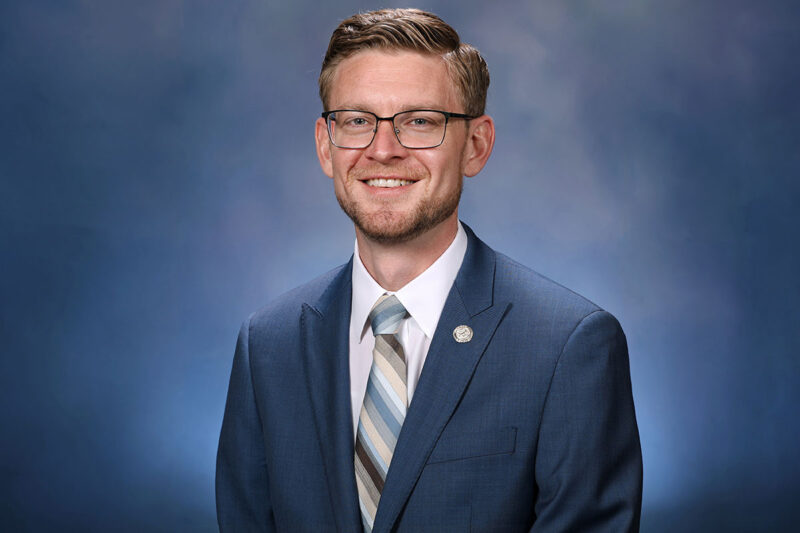
Rep. Peter Herzberg
Sponsored bills
Maddy summaryThis is a symbolic resolution, not a policy bill. It declares February 2025 as "American Heart Month" and February 5, 2025, as "National Wear Red Day" in Michigan. The resolution aims to raise public awareness about heart disease, particularly its impact on women, through educational efforts and community recognition. It does not create new laws, allocate funding, or impose requirements on any group.
Maddy summaryThis resolution declares January 2025 as National Stalking Awareness Month in Michigan. It does not create new laws or change existing policies; instead, it symbolically recognizes stalking as a serious crime and acknowledges efforts by victim services and law enforcement. The resolution highlights Michigan's legal definition of stalking and relevant statistics (like 18,000 stalking reports in 2022) to underscore the importance of public awareness. It was introduced and adopted by the Michigan House of Representatives on January 28, 2025.
Maddy summaryHB 4016 designates May of each year as "Huntington's Disease Awareness Month" in Michigan. This symbolic resolution aims to raise public and medical awareness about Huntington's disease, which affects thousands of Michiganders and has no cure. It does not create new funding, regulations, or policy changes - it simply aligns Michigan with national recognition efforts for this progressive neurological condition. The bill was introduced in January 2025 and referred to committee for further review.
Maddy summaryThis bill designates a specific stretch of Interstate 94 in Wayne County as the "Corporal Mohamed Said Memorial Highway." The designated section runs between Oakwood Boulevard and Outer Drive W. By adding this new section to the Michigan Memorial Highway Act, the legislation officially names the road in honor of Corporal Mohamed Said.
Maddy summaryThis bill creates a new Office of Tribal Legislative Liaison within Michigan's Legislative Council to strengthen government-to-government relationships between the state legislature and federally recognized tribes. The office will be led by a liaison appointed by the council from a list provided by the United Tribes of Michigan, who will be supported by at least two policy advisors. Key duties include visiting each tribe annually, advising lawmakers on how proposed legislation impacts tribal communities, and providing mandatory training for legislators on tribal history and consultation processes. Additionally, the office must submit an annual public report detailing tribal concerns raised during the legislative process to the governor and legislative leaders.
Maddy summaryThis bill amends Michigan's Natural Resources and Environmental Protection Act to allow honorably discharged veterans and active-duty military members free entry into state parks and public boating access sites. It requires these individuals to display a special hangtag, sticker, or form issued by the Department of Military and Veterans Affairs after their status is verified, rather than paying the standard recreation passport fee. The change applies to resident vehicles entering these locations and does not affect nonresident vehicle entry rules or other existing fee exemptions.
Maddy summaryThis bill, known as the Judicial Protection Act, establishes new safety and privacy measures for judges in Michigan and their immediate family members. It allows judges to request that government agencies and private entities stop sharing specific personal details, such as home addresses, phone numbers, and financial information, with the public. To enforce this, the law creates a formal process where judges can submit written requests to remove or prevent the posting of this sensitive data. The protections apply to state, federal, and tribal court judges within the state, as well as their spouses, children, parents, and other relatives living at the same address.
Maddy summaryThis bill amends the Michigan Regulation and Taxation of Marihuana Act to update rules governing licenses for medical and recreational marijuana businesses. It directly affects individuals and companies involved in the cultivation, processing, testing, transportation, and sale of marijuana and industrial hemp by modifying existing requirements and adding new sections to the law. The key provisions include changes to how licenses are issued, adjustments to tax structures on commercial facilities, and updates to definitions regarding product safety and the roles of state regulatory agencies. Additionally, the legislation repeals certain previous sections while establishing new ones to ensure the safety of products and the security of licensed premises.
Maddy summaryThis bill proposes to repeal the Medical Marihuana Facilities Licensing Act, which currently regulates the licensing and operation of medical marijuana facilities in Michigan. The repeal would take effect on March 1, 2026, removing the existing legal framework that governs these businesses. However, the bill includes a condition stating that it will only become law if a separate, related bill is also enacted into legislation. If passed, the change would eliminate the specific licensing requirements and oversight procedures established by the 2016 act.