

Maddy summaryThis resolution urges the federal government to maintain funding and reinstate staff for the Low Income Home Energy Assistance Program (LIHEAP) while negotiating the "One Big Beautiful Bill Act." It directly affects Michigan residents who rely on the state's Home Heating Credit Program, which provided assistance to 248,765 Michiganders in 2022 - including low-income families, seniors, and people with disabilities - by helping cover heating costs. The resolution highlights that proposed federal budget cuts to LIHEAP and the recent firing of LIHEAP program staff threaten the program's continuation, potentially causing payment delays or termination. As a non-binding request, it asks federal leaders to prioritize LIHEAP funding to prevent disruption of this critical aid.
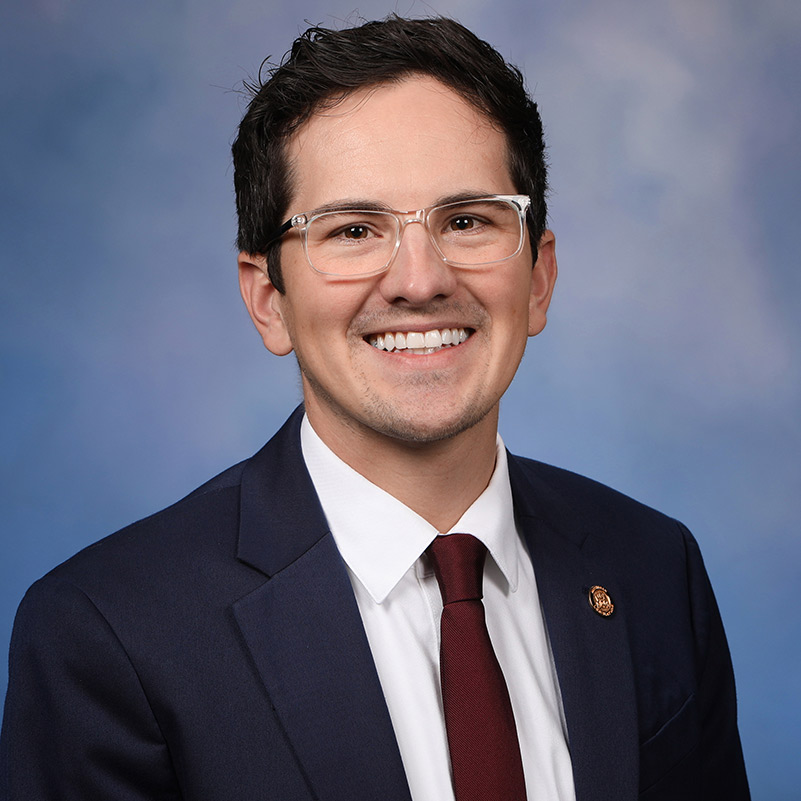
Rep. Jason Morgan
Sponsored bills
Maddy summaryHB 4742 amends Michigan's environmental permit process to address projects in communities disproportionately affected by pollution (environmentally overburdened communities). It adds a new section (Subpart 2) requiring state agencies to consider community impacts when denying permits or imposing additional conditions for such projects. The bill also repeals the Environmental Permit Review Commission, which previously reviewed permit decisions. This directly affects developers seeking permits in these communities and state agencies responsible for environmental permitting under the Natural Resources and Environmental Protection Act.
Maddy summaryHB 4741 modifies Michigan's property tax law by ending certain programs that reduced delinquent tax payments or prevented foreclosure. It adds a $175 fee for properties forfeited to county treasurers due to unpaid taxes (after 12+ months delinquent), changes interest calculations for residential properties under foreclosure avoidance agreements, and updates redemption rules. Homeowners with delinquent taxes, particularly those in residential properties covered by existing tax foreclosure avoidance agreements, will be directly affected by these changes. The bill sunsets specific programs that previously offered payment reductions, requiring property owners to pay full delinquent amounts plus fees to avoid losing their homes.
Maddy summaryHB 4687 requires all Michigan public school districts and public school academies to incorporate one unit of age-appropriate Black history and one unit of Indigenous People history into their history curriculum starting in the 2027-2028 school year. The bill mandates coverage of historical contributions, discriminatory policies, and civil rights advancements by these communities, while requiring instructional materials to align with state standards and include input from cultural centers and experts. Schools must ensure this instruction is inclusive for all students, including those with disabilities and English language learners, and avoid any bias or discrimination. The law allows flexibility for schools to integrate these units into existing lesson plans rather than creating new courses.
Maddy summaryHB 4688 requires Michigan public schools to provide cultural competency training for all educators and school staff starting in the 2027-2028 school year. The state must develop resources covering diversity, cultural identity, historic contributions of multiple cultural groups, and implicit bias (with expert input) by June 2027. Educators must complete this training as part of professional development, while non-educator staff must receive similar training but are exempt from history-focused content. This bill directly affects all public school districts, intermediate school districts, and public school academies in Michigan.
Maddy summaryHB 4675 requires Michigan's education department to develop and share a list of optional cursive handwriting instruction programs for public schools by June 2027. Starting in the 2026-2027 or 2027-2028 school year, school districts and public school academies are encouraged - but not required - to incorporate one of these model programs into their curriculum. The bill aims to support schools in meeting existing credit requirements under Michigan’s merit standards by offering cursive instruction as a voluntary option. It directly affects Michigan public schools by providing resources for optional handwriting education, without mandating changes to current standards.
Maddy summaryHB 4263 prohibits sellers from using automated programs to bypass purchase limits during online ticket sales for concerts, sports events, and other public entertainment events requiring admission fees. It bans circumventing security systems that enforce ticket limits, electronic queues, or fraud checks, targeting practices like bot-driven bulk purchases. The law directly affects ticket sellers (who must implement these security measures) and buyers attempting to use automated tools to bypass restrictions. This creates new requirements for online ticket sales to ensure fair access to event tickets.
Maddy summaryHR 138 is a symbolic resolution introduced by Michigan House representatives to declare June 2025 as Lesbian, Gay, Bisexual, Transgender, and Queer Pride Month in the state. It does not create new laws or policies but formally recognizes the historical significance of LGBTQ+ rights movements, including the Stonewall Riots and key legal victories like Obergefell and Bostock. The resolution aims to affirm Michigan's support for LGBTQ+ communities and their contributions to the state's cultural and economic vitality. This declaration directly affects all Michiganders by officially honoring Pride Month through state-level recognition.
Maddy summaryThis resolution officially designates June 27, 2025, as National PTSD Awareness Day in Michigan. It encourages Michigan residents to learn about PTSD, reduce stigma, and support those affected - including veterans, first responders, and trauma survivors - while aligning with the existing U.S. Senate observance honoring Staff Sergeant Joe Biel. The bill has no new funding or legal requirements; it is a symbolic gesture to promote awareness and compassion.
Maddy summaryHB 4669 requires Michigan correctional facilities to allow unannounced, immediate inspections by state legislators upon request. It directly affects all correctional facilities under the Department of Corrections and state legislators (senators and representatives). The key provision mandates that facility staff must grant legislators access to inspect any premises without prior notice. This bill enhances legislative oversight by providing direct, on-the-ground access to correctional facilities for lawmakers.