

Maddy summaryHB 4975 requires Michigan electric utilities to automatically provide residential customers with $100 credits on their bills if they experienced 4 or more power outages lasting over an hour in the past year, or $200 credits for more than 4 outages. The bill mandates these credits be applied without customer action, directly benefiting households with frequent service disruptions. Credits will adjust every five years based on inflation using the Detroit-area Consumer Price Index, with changes announced by June 1 each adjustment year. This policy change aims to compensate for unreliable service through automatic billing adjustments under Michigan's utility regulations.
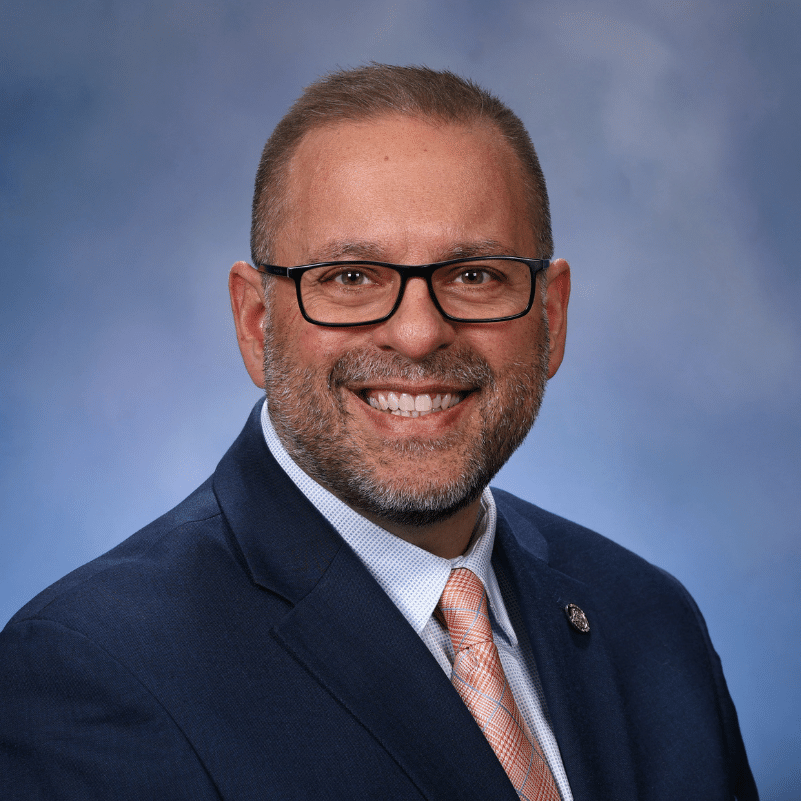
Rep. Mike McFall
Sponsored bills
Maddy summaryHB 4718 requires Michigan insurance companies to file reports with the state about suspected insurance fraud. This directly affects all licensed insurance companies operating in Michigan, mandating them to submit specific fraud reports to the state regulator. The key provision adds Section 4506 to the insurance code, creating a new reporting obligation for insurers. The bill does not change fraud penalties or definitions but establishes a formal process for reporting suspected fraud cases. This is a procedural policy change focused on improving fraud tracking, not on altering consumer protections or insurance rates.
Maddy summaryHB 4716 increases criminal penalties for insurance fraud in Michigan based on the amount of fraudulent claims or number of claims involved. It raises maximum prison terms from 4 years to 20 years and fines up to $50,000, with higher penalties for larger frauds (e.g., $100,000+ claims or 100+ claims) or repeat offenses. The law requires courts to order restitution to victims and allows aggregating claims made within any 12-month period to determine penalty levels. This directly affects individuals committing fraud, as well as insurers or practitioners found responsible for fraudulent acts under Michigan law.
Maddy summaryThis bill amends Michigan's Health Care False Claim Act to expand the definition of "health care insurer" to include automobile insurers providing personal injury protection (PIP) coverage. PIP coverage pays for medical expenses after car accidents, and this change brings auto insurers into the same legal framework as health insurers for false claim enforcement. Previously, the law applied only to health insurers and self-insured entities, but now false claims related to PIP benefits will be subject to the same standards. This directly affects auto insurance companies operating in Michigan that offer PIP coverage.
Maddy summaryHB 4714 updates Michigan's sentencing guidelines specifically for fraudulent insurance acts by amending Section 15a of the Code of Criminal Procedure (MCL 777.15a). The bill directly affects individuals convicted of insurance fraud by establishing clearer sentencing standards for these offenses. It modifies existing sentencing structures to provide more defined parameters for judges when determining penalties in fraud cases involving insurance. The changes aim to standardize penalties for this specific crime category within Michigan's criminal justice system. The bill passed the Michigan House on September 16, 2025, with strong support.
Maddy summaryHB 4717 amends Michigan's criminal code by adding insurance fraud to the legal definition of racketeering under MCL 750.159g. This change directly affects cases involving insurance fraud, making it a specific type of racketeering offense rather than a separate crime. The key provision updates the statute to explicitly include insurance fraud within the broader racketeering definition used for prosecution. As a substantive policy change, this alters how such fraud cases are categorized and prosecuted under state law.
Maddy summaryHB 4715 protects individuals and entities that report suspected or confirmed insurance fraud from civil lawsuits, provided they act without malice and do not knowingly provide false information. It extends this immunity to insurers, their employees, private citizens cooperating with fraud investigations, and authorized agencies like the National Insurance Crime Bureau. The bill ensures those filing reports, sharing information, or testifying in fraud cases cannot be sued for libel, slander, or other civil claims related to their good-faith actions. This directly affects anyone involved in reporting or investigating insurance fraud within Michigan’s legal framework.
Maddy summaryHB 4719 amends Michigan's Insurance Code to adjust civil penalties for insurance violations. It increases the maximum fine for knowing violations from $1,000 to $5,000 per violation (capped at $50,000 total) and clarifies that violations include non-compliant filings under specific insurance chapters. The bill directly affects insurance professionals who breach the code, allowing the director to order fines, license suspensions, or cease-and-desist actions. It also specifies that fines under this section can be imposed alongside other penalties like restitution for certain violations.
Maddy summaryHB 4874 requires the Michigan legislature to appropriate at least $12.3 million annually starting fiscal year 2026 for supplemental payments to rural school districts meeting specific criteria defined in existing law (MCL 388.1622d). This bill directly affects eligible rural and isolated school districts by guaranteeing additional state funding beyond their regular school aid. The key provision mandates a fixed annual appropriation for these districts, ensuring consistent supplemental support beginning in 2026. The bill does not change how districts operate or define "rural districts," but rather establishes a dedicated funding stream for them. It is currently in the introduction phase, referred to the Appropriations Committee.
Maddy summaryHB 4875 mandates annual state funding of at least $125 million starting in fiscal year 2026 to cover school transportation costs for students. It directly affects Michigan public school districts by requiring dedicated state appropriations for pupil transportation, as defined under existing state school aid law. The bill creates a permanent funding mechanism ensuring consistent support for school bus services and related operational costs. This provision applies specifically to transportation services for students, not general school funding. The bill is currently under review in the Appropriations Committee after its introduction on September 11, 2025.