

Maddy summaryHB 5981 requires automobile insurers in Michigan to file premium rates that achieve specific percentage reductions for personal protection insurance coverage by July 1, 2020, and maintain those reductions through 2028. The bill mandates that the state insurance director review and disapprove any filings that fail to meet these reduction targets, which vary based on the policy's coverage limits. Additionally, insurers must pass on savings from medical treatment costs incurred in accidents before July 2, 2021, and cannot issue or renew policies without director approval of their rates.
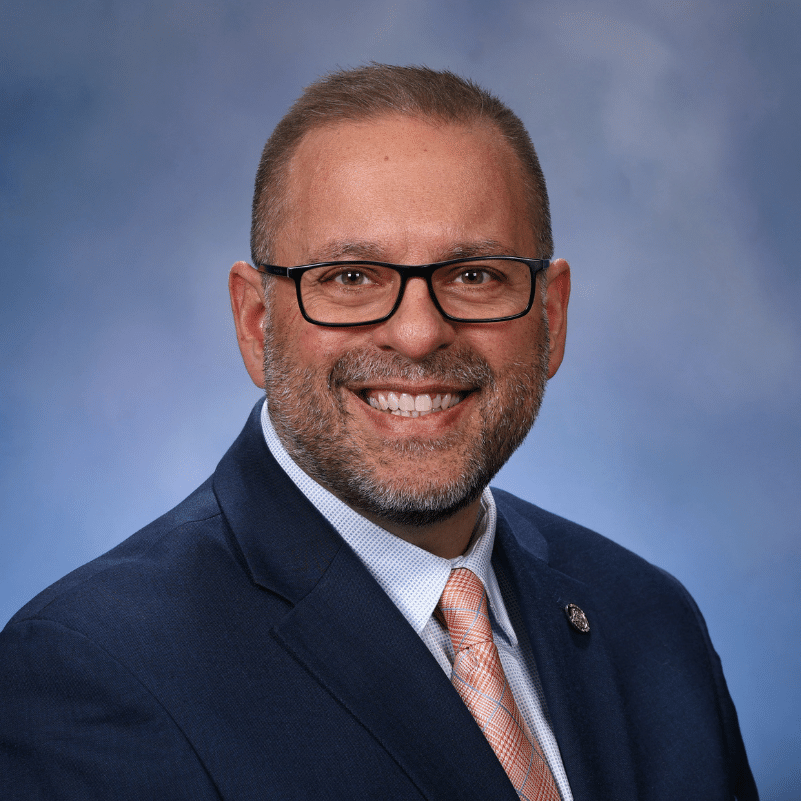
Rep. Mike McFall
Sponsored bills
Maddy summaryThis bill updates Michigan's no-fault insurance laws to set new maximum payment limits for medical treatment and rehabilitation services provided to injured individuals. It establishes specific reimbursement percentages based on Medicare rates, which vary by year and the type of provider, such as general physicians, hospitals with high indigent patient volumes, specialized trauma centers, and designated freestanding rehabilitation facilities. The legislation also includes provisions for providers lacking Medicare payment benchmarks by capping their charges at a percentage of their historical rates from 2019. These changes directly affect healthcare providers treating personal protection insurance claims and the insurers that reimburse them.
Maddy summaryHB 5636 designates a specific segment of Telegraph Road (US-24 between 9 Mile Road and 14 Mile Road) as the "Deputy Claude Wilson Memorial Highway." This bill is purely commemorative, naming a roadway section in honor of Deputy Claude Wilson without altering any traffic laws, funding, or infrastructure. It amends Michigan's Memorial Highway Act by adding Section 123 to formally establish the highway name. The bill has been introduced but not yet acted upon by the Transportation and Infrastructure Committee.
Maddy summaryHB 5331 prohibits state agencies, local governments, universities, community colleges, and other entities receiving state funds from purchasing certain drones. It extends the same drone purchase restrictions that apply to the federal government to these Michigan entities. The bill amends Michigan's Management and Budget Act to require these organizations to follow federal guidelines when acquiring drones with state money. This directly affects any state-funded organization that might otherwise buy drones for operations.
Maddy summaryThis Michigan House resolution designates May 15, 2026, as Arts for Mental Health Awareness Day to highlight the connection between creative arts and mental well-being. The measure acknowledges how participation in the arts can help reduce stress, anxiety, and feelings of isolation while supporting recovery from trauma. It specifically recognizes the roles of artists, art therapists, and arts organizations in building community resilience and improving public safety. By officially declaring this date, the legislature aims to encourage public awareness of arts-based health initiatives without mandating any specific actions or funding.
Maddy summaryThis bill designates May 2026 as Boating Safety Month throughout Michigan to highlight the importance of safe recreational boating practices. The resolution encourages all residents and visitors to engage in responsible behaviors, such as wearing life jackets, checking weather conditions, and following navigation rules. It serves as a commemorative measure to raise awareness among the state's large boating community rather than implementing new laws or regulations.
Maddy summaryThis bill declares May 2026 as Huntington's Disease Awareness Month in Michigan to highlight the disease and encourage public support. It directly affects residents of Michigan, particularly those impacted by Huntington's disease, by promoting awareness of the condition's symptoms and genetic risks. The resolution serves as a symbolic gesture to remind citizens and medical professionals about the importance of research and support services for this currently incurable neurological disorder.
Maddy summaryHB 5963 modifies Michigan's laws to clarify and strengthen exemptions from civil arrest for specific groups of people. The bill protects legislators, women, minors under 16, attorneys, witnesses, jurors, and individuals traveling to or from criminal proceedings in other states from being arrested on civil matters while performing their duties or traveling. It also states that any civil arrest made against these protected individuals is automatically invalid and allows courts to release them immediately.
Maddy summaryHB 5971 establishes the Language Assistance for Elections Act, which requires Michigan local governments to provide election materials in languages other than English if their voting-eligible population meets specific thresholds based on the number and percentage of residents with limited English proficiency. The bill mandates that these materials, including ballots and signage, be translated by certified translators rather than relying solely on automatic translation services, and it outlines requirements for updating voting technology to display translated ballots. Additionally, the legislation creates a Language Access Advisory Council to guide these efforts and instructs the Secretary of State to publish annual lists of local governments and languages requiring assistance.
Maddy summaryHB 5969 creates a new State Voting Rights Act in Michigan designed to protect the voting rights of racial, color, and language minority groups. The bill prohibits local governments and officials from implementing election rules or policies that result in disparities in voter participation or impair the ability of minority groups to elect their preferred candidates. Key provisions include defining terms like 'protected class' and 'racially polarized voting,' establishing a legal standard to challenge discriminatory election practices, and creating a fund to support remedies for violations.