

Maddy summaryThis bill amends Michigan's existing laws regarding the abandonment and discontinuance of county roads to clarify the procedures local road commissions must follow. It outlines how county road commissioners can voluntarily give up control of a road, returning it to the municipality, or completely abandon it, which would remove it from the public highway system entirely. The legislation also details the specific steps required to process these actions, including mandatory public hearings, official notice periods, and the conditions under which residents can petition for a road's removal. Additionally, the bill addresses how road names are assigned and changed, as well as the rules for counties to share responsibilities for roads that cross county lines.
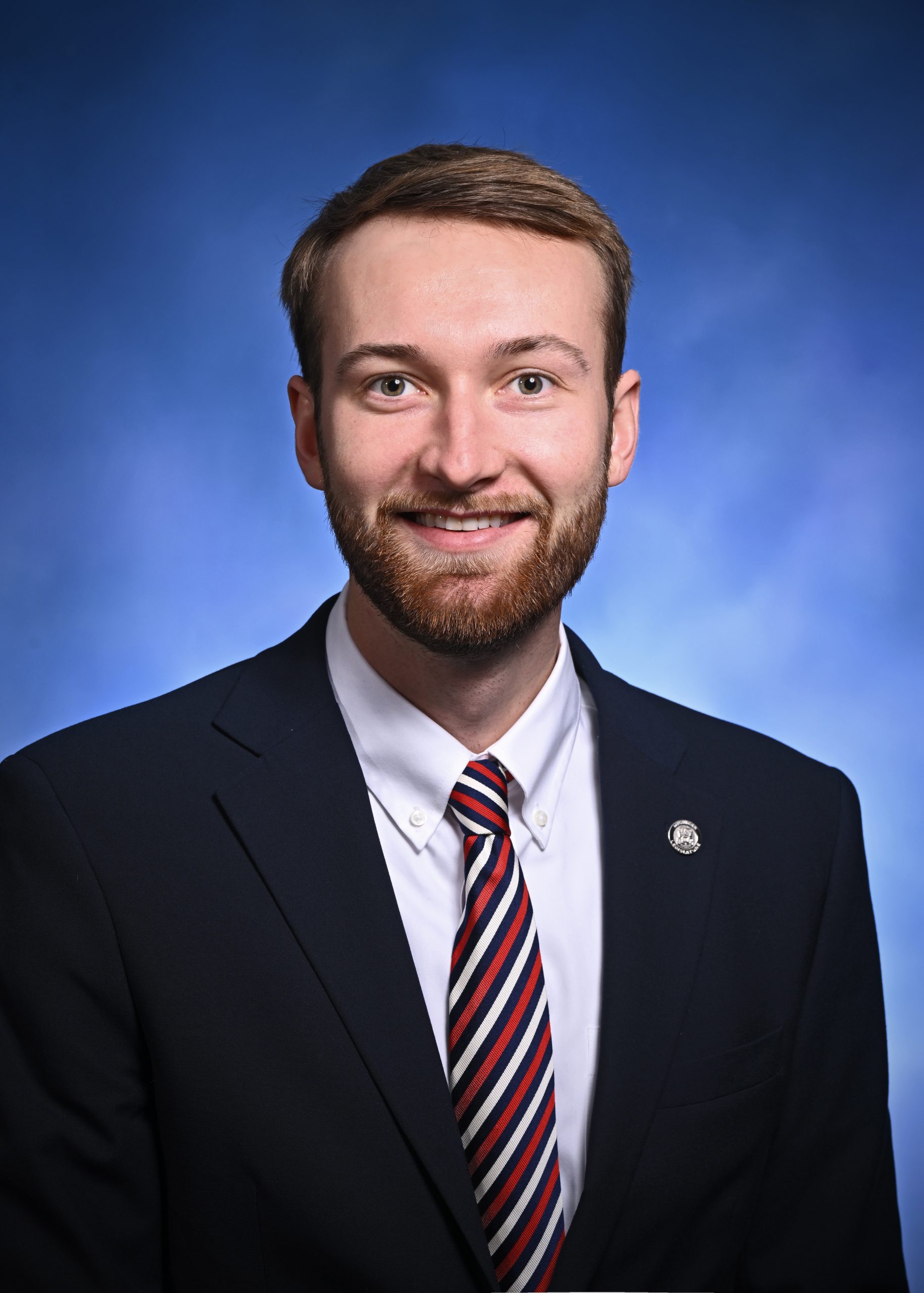
Rep. Parker Fairbairn
Sponsored bills
Maddy summaryThis resolution declares June 2026 as Fidelity Month throughout the state of Michigan. It encourages residents, families, and community organizations to reflect on and promote values such as faith, patriotism, and civic responsibility during that month. The measure does not create new laws or funding but serves as a symbolic designation to highlight these principles.
Maddy summaryThis resolution officially designates June 2026 as Dairy Month in Michigan to recognize the state's significant dairy industry. The measure highlights the sector's economic contributions, including its role in food production, job creation, and public health through nutritious dairy products. By adopting this symbolic declaration, the legislature aims to celebrate the achievements of local dairy farmers and processors while promoting awareness of the nutritional benefits of dairy consumption.
Maddy summaryThis bill proposes renaming a specific section of Interstate 75 in Wayne County to honor Motor Carrier Officer Daniel M. Kerstetter. The designated stretch of road runs from Northline Road northward to London Avenue. By amending the Michigan Memorial Highway Act, the legislation formally establishes this new name for the roadway. The change directly affects the state's transportation records and signage along that portion of the highway.
Maddy summaryThis bill proposes to allow the Michigan Natural Resources Commission to establish the first official hunting and trapping seasons for gray wolves statewide. It authorizes the commission to create these seasons within 90 days of certain related laws becoming active, aiming to manage wolf populations and reduce conflicts with humans and livestock. The legislation directly affects hunters, trappers, and wildlife managers by setting the legal framework for future wolf harvests. However, the bill includes a condition that it will not take effect unless a separate companion bill regarding wolf management is also passed by the legislature.
Maddy summaryThis bill amends Michigan's state school aid act to clarify penalties for school districts that fail to submit required attendance data or do not meet minimum instructional day requirements. It maintains existing rules that withhold state funding from districts which miss submission deadlines or lose instructional days due to strikes, while also specifying that districts adding days to their calendar for weather-related closures are held to a lower attendance threshold of 60% instead of 75%. The legislation ensures that financial penalties are applied proportionally to the number of lost instructional hours or days and prevents double penalties for the same fiscal year. Districts must continue to certify compliance with these standards annually to receive their full state aid allocation.
Maddy summaryHB 4192 updates the requirements for obtaining permits to discharge pollutants into groundwater. It directly affects businesses, industries, or facilities that discharge wastewater or pollutants into groundwater sources, such as manufacturing plants or wastewater treatment systems. The bill modifies existing permit rules under Michigan law to clarify or adjust the application and compliance standards for these discharges. This change aims to streamline or strengthen oversight of groundwater protection without altering the fundamental permit framework. The legislation passed the Michigan House on June 12, 2025, with 65 votes in favor.
Maddy summaryHB 5107 amends Michigan's marijuana laws to adjust possession and cultivation limits for adults 21+ and modify penalties for exceeding those limits. It increases personal possession from 2.5 ounces to 10 ounces at home, allows up to 12 plants for personal cultivation, and permits 2.5 ounces of concentrate. For minor excesses (e.g., possessing 2-5 ounces instead of 2.5 ounces), the bill changes penalties from criminal charges to civil fines (up to $500 for second offenses), avoiding jail time for first-time violations. The changes apply directly to Michigan residents 21+ who use or cultivate marijuana within the new limits.
Maddy summaryHB 5105 modifies Michigan's sentencing rules for marijuana possession offenses under the Public Health Code. It lowers penalties for most possession amounts, reclassifying some as misdemeanors (e.g., 1-5 kilograms or 50-100 plants becomes a misdemeanor punishable by up to 1 year in jail or a $20,000 fine). For larger amounts, it reduces maximum prison terms (e.g., 45+ kilograms now carries a max 10-year felony instead of 15 years). The bill directly affects individuals convicted of marijuana offenses under current law, altering sentencing based on quantity. It is pending in committee after introduction on October 22, 2025.
Maddy summaryHB 4935 would allow dentists and dental hygienists licensed in Michigan to practice in other states that join the same compact without obtaining separate licenses. It creates a "Compact Privilege" that streamlines interstate practice by eliminating duplicate licensing requirements, addressing workforce shortages, and improving access to dental care. The bill requires practitioners to follow each state's scope of practice rules and mandates sharing of disciplinary information between participating states. This compact applies to Michigan-licensed professionals seeking to work in other member states, without changing Michigan's own licensing standards.