

Maddy summaryThis bill is a resolution that asks Congress to propose a new constitutional amendment allowing both state and federal governments to set reasonable limits on election spending. The proposed amendment would explicitly permit lawmakers to distinguish between individual voters and artificial entities like corporations, unions, and artificial intelligence when regulating campaign finance. By clarifying that such spending restrictions are constitutional, the measure aims to prevent unlimited money from influencing election outcomes while protecting the free speech rights of average citizens. Although introduced in the House of Representatives, the resolution does not become law on its own but instead seeks to initiate the process for amending the U.S. Constitution.
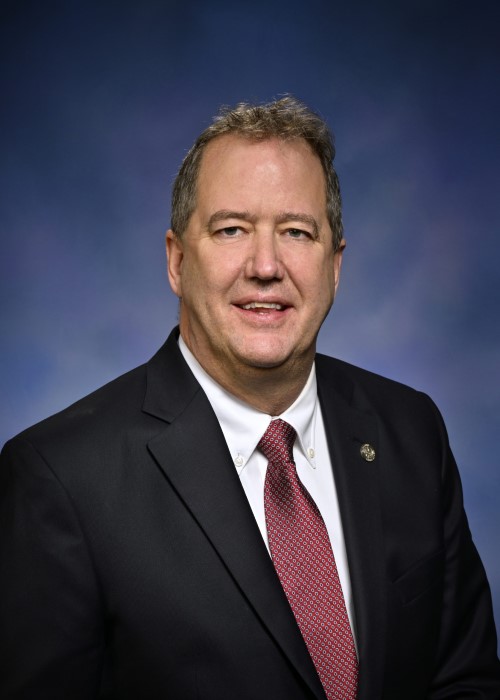
Rep. Cam Cavitt
Sponsored bills
Maddy summaryHB 5331 prohibits state agencies, local governments, universities, community colleges, and other entities receiving state funds from purchasing certain drones. It extends the same drone purchase restrictions that apply to the federal government to these Michigan entities. The bill amends Michigan's Management and Budget Act to require these organizations to follow federal guidelines when acquiring drones with state money. This directly affects any state-funded organization that might otherwise buy drones for operations.
Maddy summaryHB 5329 prohibits Michigan public entities (like state agencies, cities, schools, and counties) from purchasing or acquiring drones that include software developed by entities on three specific federal sanction lists. These lists include companies designated under the 2021 National Defense Authorization Act, the Chinese Military-Industrial Complex Sanctions List, and certain Commerce Department restrictions. The ban takes effect one year after the bill passes, with an exception for entities complying with existing Michigan drone regulations (2016 PA 436). This bill directly affects all government drone procurement decisions in Michigan by restricting purchases from targeted foreign manufacturers.
Maddy summaryHB 4935 would allow dentists and dental hygienists licensed in Michigan to practice in other states that join the same compact without obtaining separate licenses. It creates a "Compact Privilege" that streamlines interstate practice by eliminating duplicate licensing requirements, addressing workforce shortages, and improving access to dental care. The bill requires practitioners to follow each state's scope of practice rules and mandates sharing of disciplinary information between participating states. This compact applies to Michigan-licensed professionals seeking to work in other member states, without changing Michigan's own licensing standards.
Maddy summaryHB 5973 extends the tax deduction for contributions to Michigan's First-Time Home Buyer Savings Account, allowing eligible individuals to lower their state taxable income when they save for a home. The bill amends the state's income tax law to ensure this specific financial benefit remains available for future tax years. By maintaining this provision, the legislation directly affects Michigan residents who utilize the savings account program to purchase their first home.
Maddy summaryThis bill establishes a temporary gas tax holiday in Michigan, setting the motor fuel tax rate to zero cents per gallon starting immediately. The zero rate will remain in effect until either November 1, 2026, or the nationwide average gas price drops below $3.50, whichever happens first. While the holiday is active, the standard tax rates for gasoline and diesel are suspended, and the bill includes specific reporting requirements for suppliers and end users holding fuel inventory.
Maddy summaryThis bill extends the Michigan First-Time Home Buyer Savings Program through December 31, 2026, by amending the existing law that established the program. It allows individuals to open special savings accounts designated for paying qualified costs related to purchasing a single-family home in Michigan. The program permits contributions from people other than the account holder and allows joint ownership if the account holders file a joint tax return. The bill includes a provision stating that it will not take effect unless a related bill, HB 5973, is also passed into law.
Maddy summaryThis bill removes the legal requirement for hunters and dealers in Michigan to report the number of deer pelts they possess or trade. While the law currently mandates that individuals holding licenses must submit notarized reports on all other fur-bearing animals and game birds, this legislation specifically exempts deer pelts from those reporting obligations. The change affects both hunters who keep pelts after the season and businesses that buy or sell them, allowing them to exclude deer pelts from their monthly and seasonal filings to the state department.
Maddy summaryThis House resolution urges Michigan Secretary of State Jocelyn Benson to voluntarily release documents and information regarding her past work with the Southern Poverty Law Center (SPLC), specifically concerning the organization's alleged payments to extremist groups. The bill is based on a federal indictment that accuses the SPLC of fraudulently diverting donor money to fund individuals associated with hate groups while claiming to fight them. It highlights Benson's previous roles as an undercover investigator and board member at the SPLC during the period of the alleged misconduct, suggesting she may possess unique knowledge of these operations. The resolution calls for her to publicly address her involvement to ensure transparency and avoid any appearance of impropriety, citing her prior refusal to comply with a separate subpoena as a reason for this request.
Maddy summaryHB 5320 amends Michigan's criminal sentencing guidelines to specifically address unauthorized drone flights over or trespassing on critical infrastructure, such as power plants or bridges. It would establish new sentencing standards for individuals operating unmanned aircraft or vehicles near these facilities, directly affecting drone operators who violate these restrictions. The bill modifies Section 16b of the Michigan Code of Criminal Procedure (MCL 777.16b) to create clear penalties for such offenses, moving beyond general trespass laws. This change aims to strengthen legal consequences for drone-related threats to public safety infrastructure.