

Maddy summaryHB 4925 would change Michigan's medical licensing rules to allow international medical graduates to obtain licenses under specific conditions. It amends existing statutes (MCL 333.17012 & 333.17031) by adding a new provision (section 17012a) that establishes eligibility pathways for these doctors. The bill directly affects international medical school graduates seeking to practice medicine in Michigan. This policy change creates a formal process for qualifying graduates to meet state licensing requirements.
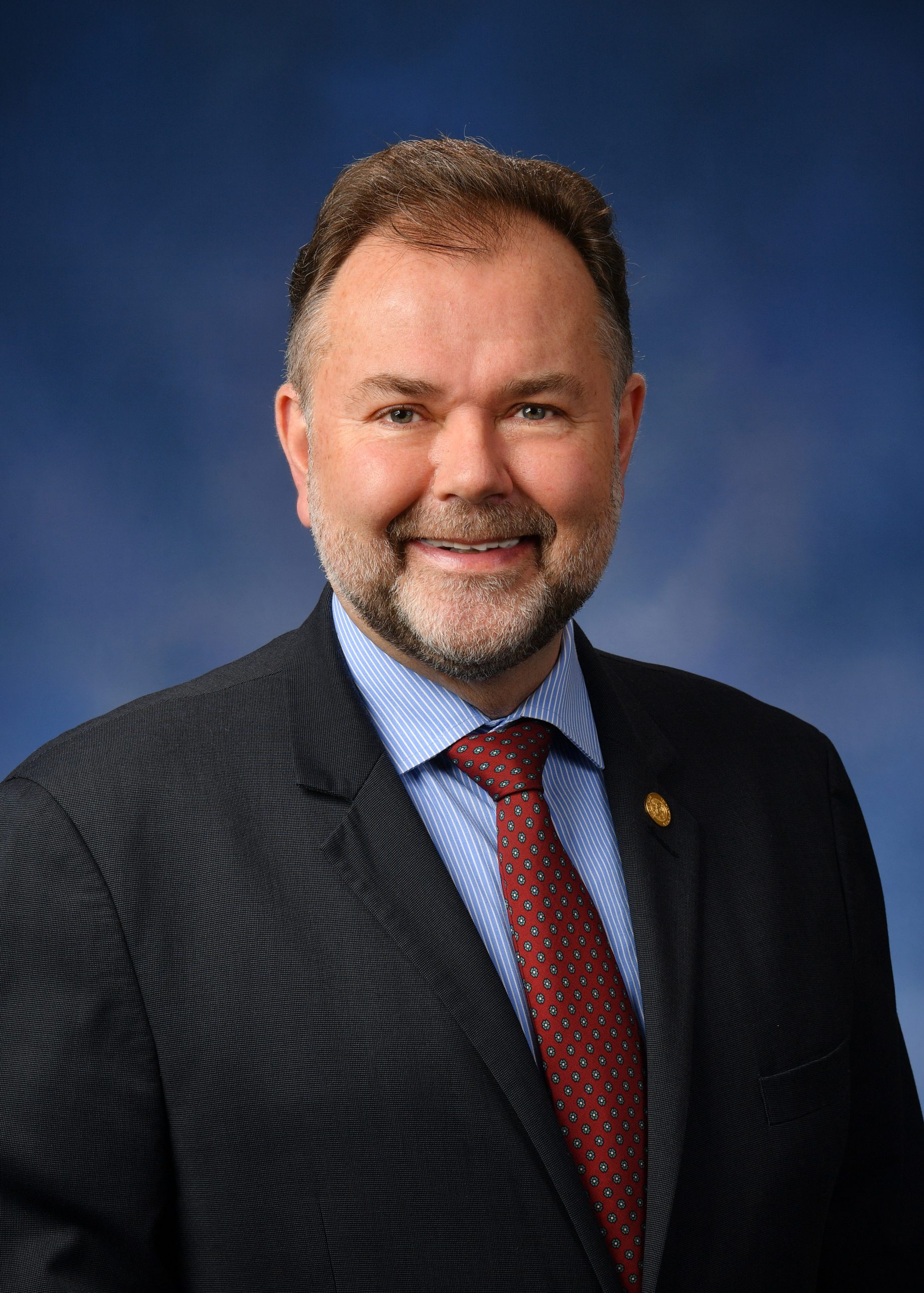
Rep. Ken Borton
Sponsored bills
Maddy summaryHB 4896 amends Michigan's medical licensing law to ensure international medical graduates face the same requirements as U.S. or Canadian graduates when applying for a medical license. Specifically, it prohibits the Michigan Board of Medicine from imposing stricter conditions on foreign-trained doctors than those applied to domestic graduates. The bill directly affects physicians trained outside the U.S. or Canada seeking to practice medicine in Michigan. This change removes potential barriers for international medical school graduates by mandating equal licensing standards under Section 17011(3). The bill is currently in committee review after its first reading in September 2025.
Maddy summaryHB 4919 modifies Michigan's Skilled Trades Regulation Act to help certain licensed professionals clear disciplinary records related to continuing education violations. It requires the licensing department to automatically remove citations for failing continuing education from a person's record 4 years after issuance (starting January 1, 2026), or if the person provides proof they completed the required education. Licensees who have such citations removed may state that no citation exists for that matter. This affects licensed individuals (like contractors or healthcare professionals) who received disciplinary notices for incomplete continuing education. The bill creates a clear, time-bound process for record removal without requiring additional disciplinary action.
Maddy summaryHB 4774 amends Michigan's procurement rules for state contracts involving architects, engineers, and land surveyors. It requires state agencies to use a competitive, qualifications-based selection process - evaluating firms on expertise, experience, and past performance - rather than lowest-cost bidding for these services. The bill mandates publishing project details, ranking qualified firms, and negotiating contracts with the top-ranked firm, with limited waivers allowed for emergencies or projects under $250,000. This directly affects state agencies and qualified professional firms when procuring these services for public projects.
Maddy summaryHB 4933 would reduce licensing requirements for personnel agencies in Michigan by amending sections of the Occupational Code (MCL 339.303a and 339.411) and repealing specific existing rules. The bill directly affects employment and staffing agencies by removing current licensing mandates under Article 10 of the 1980 Occupational Code and part of a 1979 law (MCL 338.2227). Key provisions include eliminating the need for these agencies to obtain state licenses, streamlining their operations, and updating regulatory language to reflect current practices. This is a policy change focused on regulatory simplification for a specific sector of the workforce industry.
Maddy summaryHB 4914 modifies Michigan's requirements for firms practicing architecture, engineering, or surveying. It changes the rule so that firms with nonlicensed owners (e.g., business partners who aren't licensed professionals) must first get approval from the state licensing department, instead of requiring two-thirds of all firm owners to be licensed. The bill also adds new reporting obligations for firms to provide the department with details about their owners, key staff, and other relevant information. Additionally, it requires firms to have a qualified "person in responsible charge" at every office location where services are provided, except for limited field offices that only review construction. These changes directly affect licensed professional firms operating in Michigan.
Maddy summaryHB 4927 modifies Michigan's barber licensing requirements by changing the number of required course hours for applicants seeking a barber license. It directly affects individuals pursuing barbering careers in Michigan who must complete specific educational training to obtain licensure. The bill amends sections of the 1980 Barber Licensing Act (MCL 339.1108 & 339.1110) to adjust the minimum hours of classroom study needed for licensure. This is a concrete policy change to the education standards for barber license applicants.
Maddy summaryHB 4895 would allow licensed professionals in Michigan to complete all their required continuing education hours online or through electronic media, rather than requiring in-person attendance. This change directly affects individuals holding state-licensed occupations (like nurses, engineers, or cosmetologists) who must fulfill ongoing education requirements to maintain their licenses. The bill amends Michigan’s Occupational Code to require the Department of Licensing and Regulatory Affairs to permit 100% of continuing education through approved online programs meeting department standards. The proposal is currently pending in committee and has not yet become law.
Maddy summaryHB 4892 modifies licensing requirements for accountancy firms in Michigan by amending sections 724 and 728 of the state's accountancy law (MCL 339.724 & 339.728). The bill directly affects accounting firms seeking or holding a license to operate in Michigan, as it changes the rules they must follow to maintain their licensure. Specific changes to the requirements (such as education, experience, or firm structure rules) are not detailed in the provided context. Without additional information on the exact amendments, the precise policy impact cannot be described. This summary reflects the bill's purpose as stated in its title and context, without speculation.
Maddy summaryHB 5447 modifies Michigan's probation rules to allow eligible individuals to seek early termination from probation. It permits probationers to apply for early discharge after completing half their original probation term (for both felonies and misdemeanors), provided they've completed required programming and made good-faith efforts to pay fines/fees. The bill prohibits disqualification solely due to unpaid financial obligations but excludes certain offenses like domestic violence (MCL 750.81/81a), sexual assault, or drug crimes from early discharge eligibility. Courts must consider victim input in cases involving specific offenses and report annual early discharge data to legislative committees.