Issue · Healthcare

Healthcare

Every healthcare bill, vote, and legislator stance in Michigan, automatically classified by Maddy, our AI policy reader.

Total bills
530
2025-2026 Regular Session
Top supporter
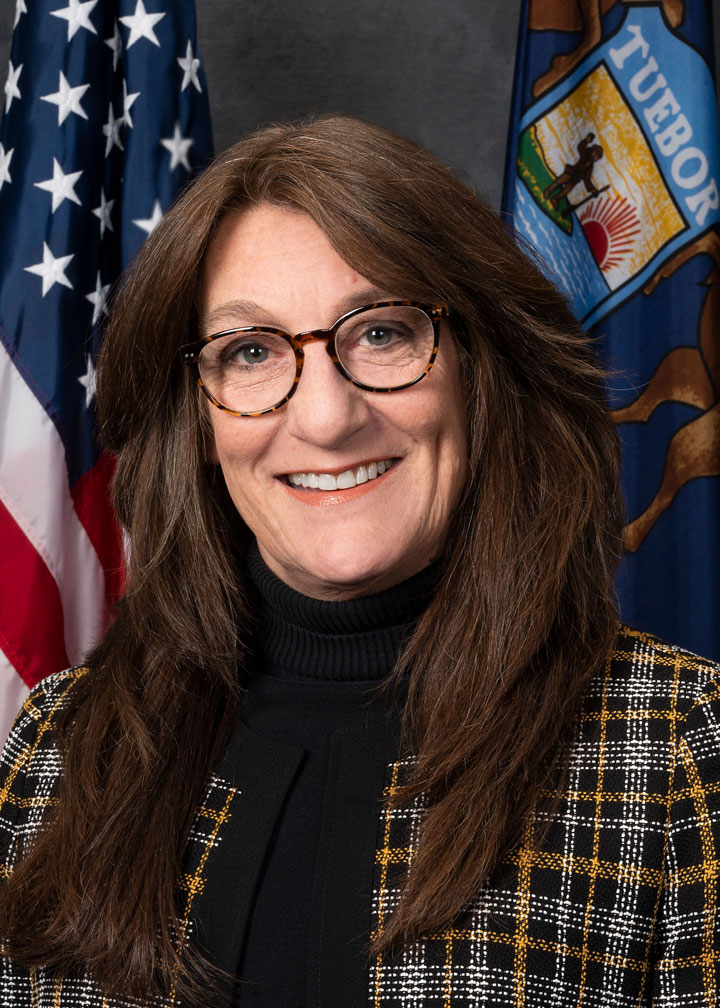
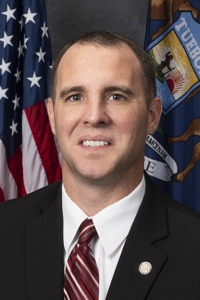
Veronica Klinefelt
96% support rate
Top opponent
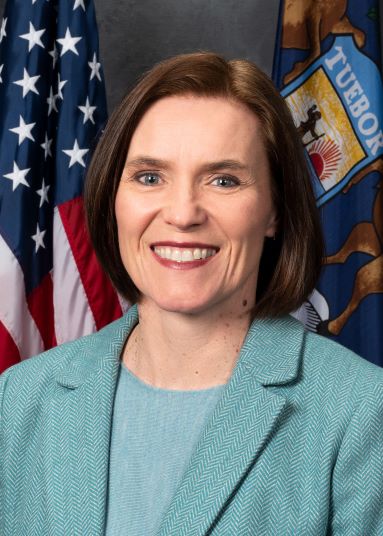
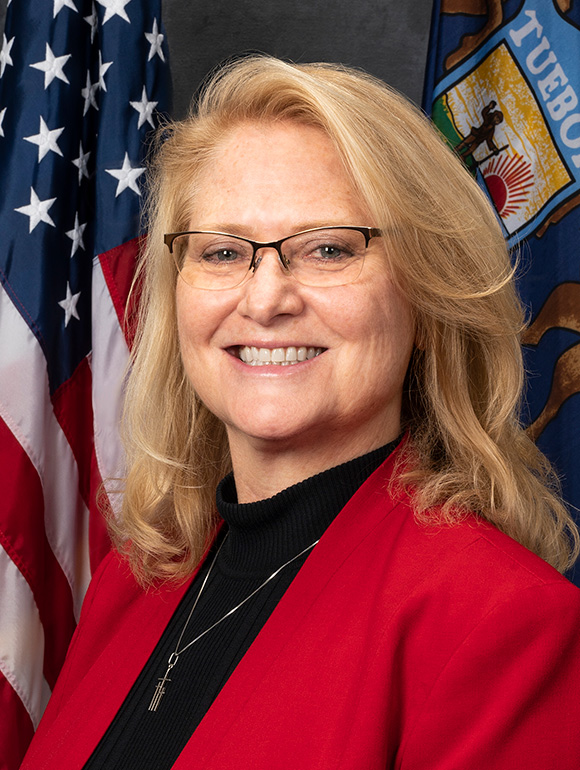
Jim Runestad
8% support rate
Ranked legislators
10
5 support · 5 oppose
Key legislators

Who's moving healthcare in Michigan

Legislators moving healthcare in Michigan
Legislator Party Stance Support rate Votes
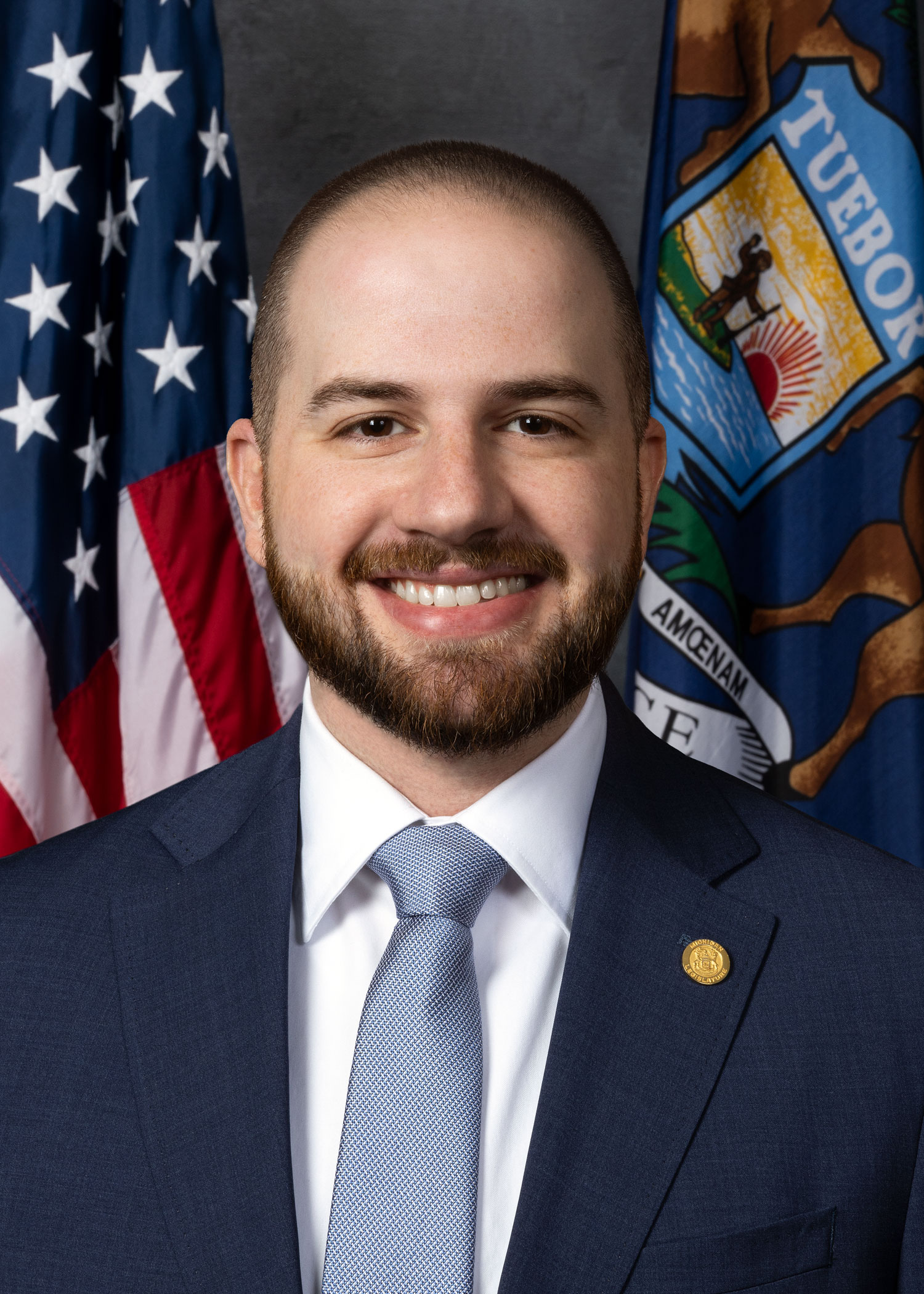
Veronica Klinefelt
Veronica Klinefelt Senate · District 11
D
Strong +
96% 60
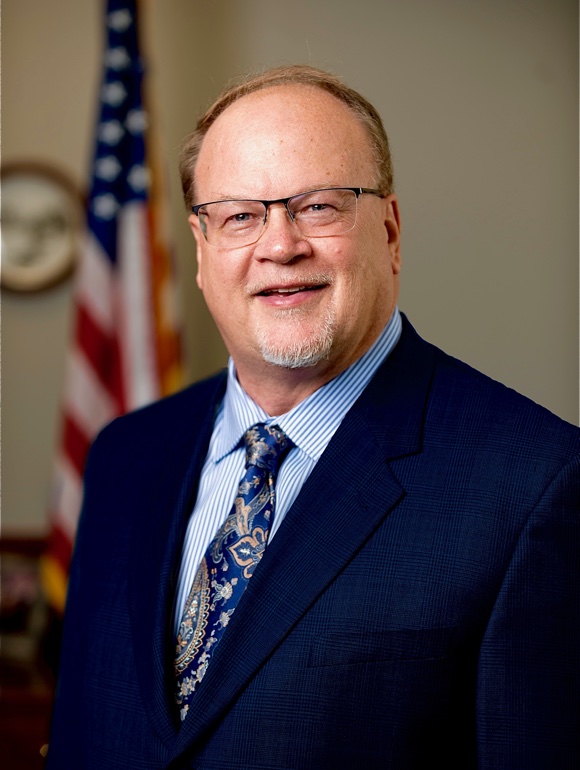
Winnie Brinks
Winnie Brinks Senate · District 29
D
Strong +
93% 64
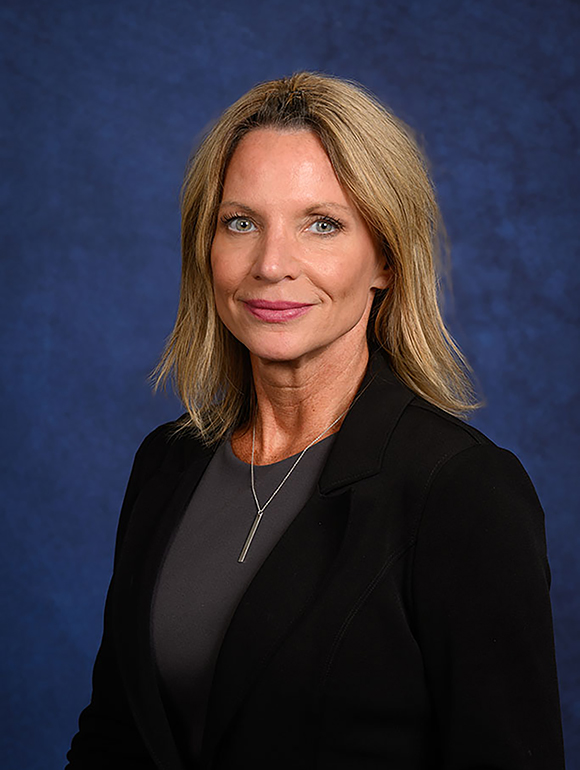
Mallory McMorrow
Mallory McMorrow Senate · District 8
D
Strong +
93% 60
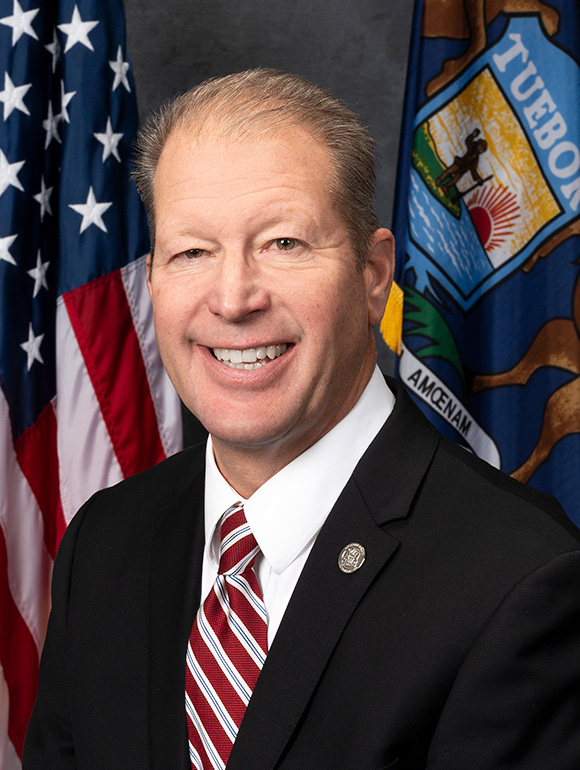
Kevin Hertel
Kevin Hertel Senate · District 12
D
Strong +
93% 63
Jeremy Moss
Jeremy Moss Senate · District 7
D
Strong +
93% 62
Jim Runestad
Jim Runestad Senate · District 23
R
Strong −
8% 49
Michele Hoitenga
Michele Hoitenga Senate · District 36
R
Strong −
17% 62
Dan Lauwers
Dan Lauwers Senate · District 25
R
Strong −
17% 63
Thomas Albert
Thomas Albert Senate · District 18
R
Strong −
17% 61
Lana Theis
Lana Theis Senate · District 22
R
Strong −
19% 59
Showing 51–60 of 530 bills

All healthcare bills

in committee · Michigan · House Jul 2, 2026

HB 6107: Human services: medical services; definition of kickbacks or bribes; modify. Amends sec. 4 of 1977 PA 72 (MCL 400.604).

This bill updates Michigan's Medicaid False Claim Act to clarify what counts as a kickback or bribe. It maintains that offering, soliciting, or accepting payments to refer patients for medical services is a felony punishable by up to four years in prison or a fine of $30,000. The law explicitly excludes government-approved "model arrangements" and "model patient incentives" from being considered illegal kickbacks. This change aims to provide clearer guidance on which financial incentives are permissible under federal and state programs.
Sub-Topics Medicaid
in committee · Michigan · House Jun 30, 2026

HB 6132: Consumer protection: unfair trade practices; insulin drug pricing report; require by the department of attorney general. Amends 1976 PA 331 (MCL 445.901 - 445.922) by adding sec. 9b.

This bill directs the Michigan Attorney General to investigate how prescription insulin drugs are priced and sold within the state to ensure fair consumer protections. To conduct this study, the Attorney General will gather data from insulin manufacturers, pharmacy benefit managers, and other relevant parties, while explicitly protecting trade secrets from being disclosed. By October 1, 2027, the Attorney General must publish a public report summarizing pricing practices and offering policy recommendations to prevent overpricing or unfair trade methods. The findings will be shared with state leaders and legislative committees to inform future decisions on health policy and potential law changes.
Sub-Topics Prescription Drugs
passed · Michigan · House Jun 25, 2026

HB 6072: Health facilities: hospitals; certain hospital financial assistance policies; make subject to the hospital financial assistance act. Amends sec. 17 of 1913 PA 350 (MCL 331.167). TIE BAR WITH: HB 6071'26

HB 6072 requires hospital boards in Michigan to follow the existing Hospital Financial Assistance Act when deciding how to provide financial help to patients. This change ensures that the rules for determining who qualifies for charity care and setting fees are consistent with state standards rather than being set solely by individual hospital boards. The bill only becomes active if a companion bill, HB 6071, is also passed into law. It directly affects public hospital trustees and the patients they serve by standardizing assistance policies.
Sub-Topics Hospitals
passed · Michigan · Senate Jun 10, 2026

SR 129: A resolution to recognize June 9, 2026, as Focal Segmental Glomerulosclerosis (FSGS) Day.

This resolution designates June 9, 2026, as Focal Segmental Glomerulosclerosis (FSGS) Day to raise awareness about a rare kidney disease that causes scarring and can lead to kidney failure. The bill directly affects patients, their families, and healthcare providers by aiming to highlight the challenges of diagnosis and the need for better access to treatments. It does not change any laws or funding but serves as a symbolic gesture to support advocacy efforts and encourage early detection for those impacted by the condition.
in committee · Michigan · House Jun 23, 2026

HB 6117: Health facilities: hospitals; health care cost reduction fund; create. Creates new act. TIE BAR WITH: HB 6116'26, HB 6118'26

This bill creates a new state fund called the Health Care Cost Reduction Fund to collect and manage money from civil fines related to hospital regulations. The fund will be administered by the Department of Licensing and Regulatory Affairs, which will use the money to support a specific grant program for health care costs. The bill also establishes that this new fund cannot become active unless two other related bills are passed into law.
Sub-Topics Hospitals
in committee · Michigan · House Jun 16, 2026

HB 6076: Health facilities: other; licensure of freestanding abortion clinics; require. Amends secs. 20104, 20106 & 20161 of 1978 PA 368 (MCL 333.20104 et seq.) & adds pt. 207A & sec. 22224d.

This bill proposes changes to Michigan's Public Health Code to establish specific licensure requirements for freestanding abortion clinics. It directly affects healthcare facilities that operate outside of hospitals by mandating they meet new regulatory standards set forth in the added sections. The legislation would require these clinics to obtain a license and comply with updated health and safety provisions outlined in the amended statutes.
in committee · Michigan · House Jun 3, 2026

HB 6028: Courts: veteran's court; veterans treatment court; modify. Amends secs. 1200, 1201, 1203, 1205, 1206 & 1209 of 1961 PA 236 (MCL 600.1200 et seq.).

This bill modifies Michigan's Revised Judicature Act to update the definitions and operational requirements for veterans treatment courts. It clarifies who qualifies as a veteran for these programs, including those with specific service-connected mental health conditions, and establishes a non-adversarial approach that integrates drug, alcohol, and mental health treatment with the justice system. To implement these courts, the legislation requires local courts to form formal agreements with prosecutors, defense attorneys, community providers, and the Department of Veterans Affairs to ensure coordinated support and monitoring. Additionally, the bill allows for transferring eligible participants between jurisdictions to ensure access to these specialized programs when local options are unavailable.
passed both · Michigan · Senate Aug 25, 2026

SB 1013: Insurance: no-fault; price optimization use in determining insurance rates; prohibit. Amends secs. 2109 & 2119 of 1956 PA 218 (MCL 500.2109 & 500.2119).

This bill prohibits insurance companies in Michigan from using price optimization techniques when setting rates. It defines price optimization as adjusting premiums based on factors unrelated to risk, such as a customer's willingness to pay or their likelihood of switching providers. The law also bans insurers from penalizing customers for shopping around, canceling policies early, or complaining about their coverage. By outlawing these practices, the bill aims to ensure that insurance rates are determined solely by the risk of loss or expense rather than a consumer's financial behavior.
in committee · Michigan · Senate Jun 11, 2026

SB 1037: Health occupations: respiratory therapists; respiratory care interstate compact; provide for. Amends sec. 18701 of 1978 PA 368 (MCL 333.18701) & adds secs. 16187h & 18703a.

This bill establishes Michigan as a participant in the Respiratory Care Interstate Compact, a formal agreement designed to allow licensed respiratory therapists to practice in other member states. By joining this compact, the state aims to improve patient access to care, support military families, and address workforce shortages by creating a streamlined pathway for professionals to work across state lines. The legislation creates a commission to oversee the agreement and includes specific definitions and rules for how out-of-state therapists can legally provide services within Michigan.
passed both · Michigan · Senate Aug 25, 2026

SB 1052: Human services: medical services; definition of kickbacks or bribes; modify. Amends sec. 4 of 1977 PA 72 (MCL 400.604).

This bill updates Michigan's Medicaid False Claims Act to clarify what counts as an illegal kickback or bribe in the medical services sector. It maintains the existing rule that offering or receiving payments to refer patients for services is a felony punishable by up to four years in prison or a fine of $30,000. The legislation adds a specific exemption stating that "model arrangements" and "model patient incentives" approved by the Centers for Medicare and Medicaid Services are not considered illegal kickbacks. This change aims to provide legal clarity for healthcare providers participating in federal-approved incentive programs while preserving penalties for other forms of improper referral payments.
Sub-Topics Medicaid Medicare
Showing 51 to 60 of 530 bills
Previous 1 5 6 7 53 Next