

Issue · Criminal Justice
Criminal Justice (Drug Policy)
Every criminal justice bill, vote, and legislator stance in Michigan, automatically classified by Maddy, our AI policy reader.
Total bills
12
2025-2026 Regular Session
Top supporter
Betsy Coffia
100% support rate
Top opponent
Pat Outman
0% support rate
Ranked legislators
10
5 support · 5 oppose
Key legislators
Who's moving drug policy in Michigan
| Legislator | Party | Stance | Support rate | Votes |
|---|---|---|---|---|
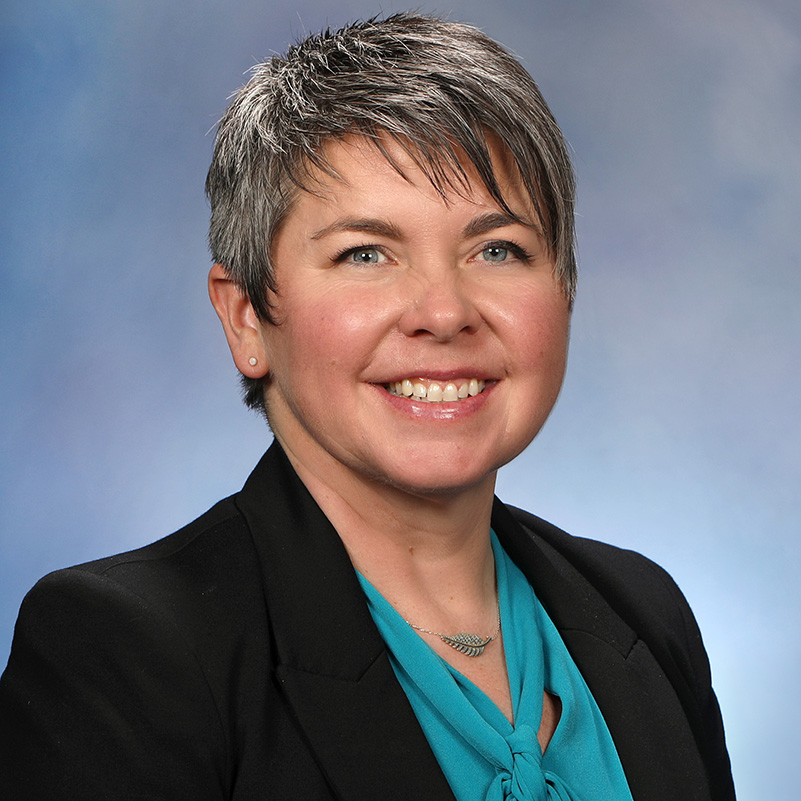
Betsy Coffia
House · District 103
|
D |
Strong +
|
100% | 4 |
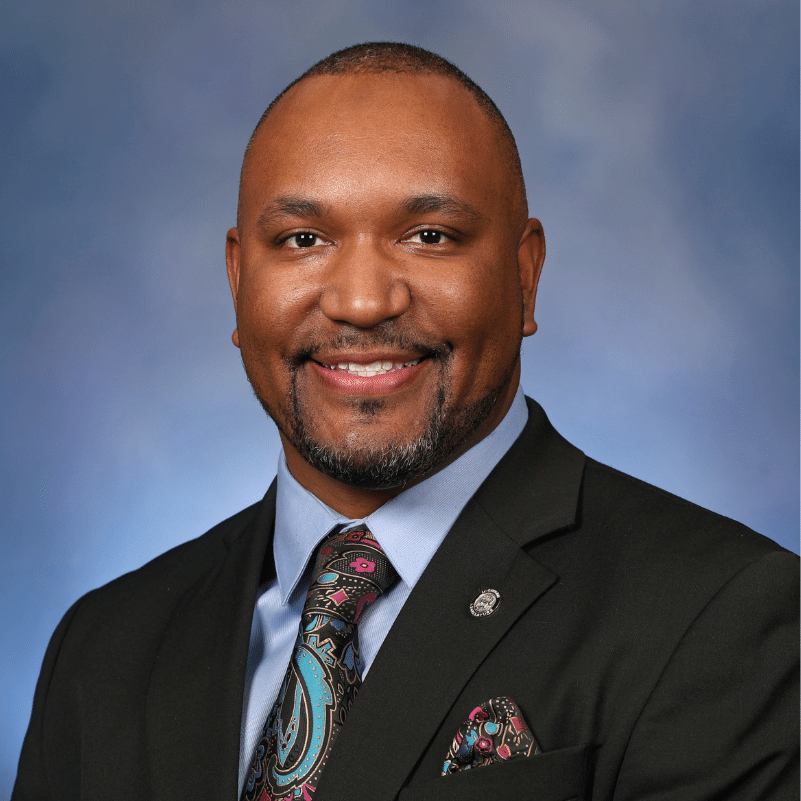
Jimmie Wilson
House · District 32
|
D |
Strong +
|
100% | 4 |

Joey Andrews
House · District 38
|
D |
Strong +
|
100% | 4 |
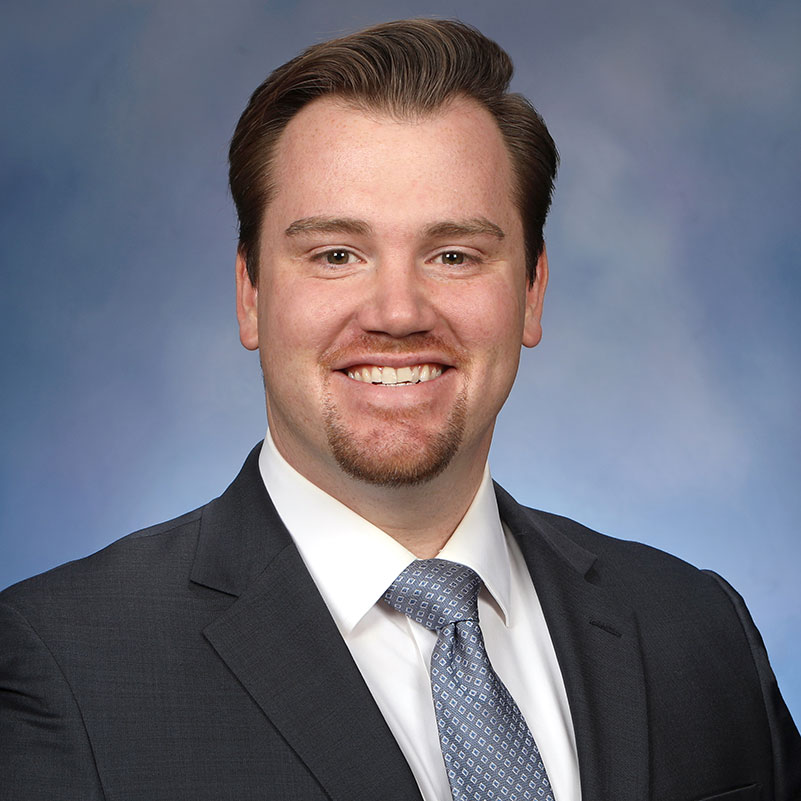
John Fitzgerald
House · District 83
|
D |
Strong +
|
100% | 4 |

Julie Brixie
House · District 73
|
D |
Strong +
|
100% | 4 |
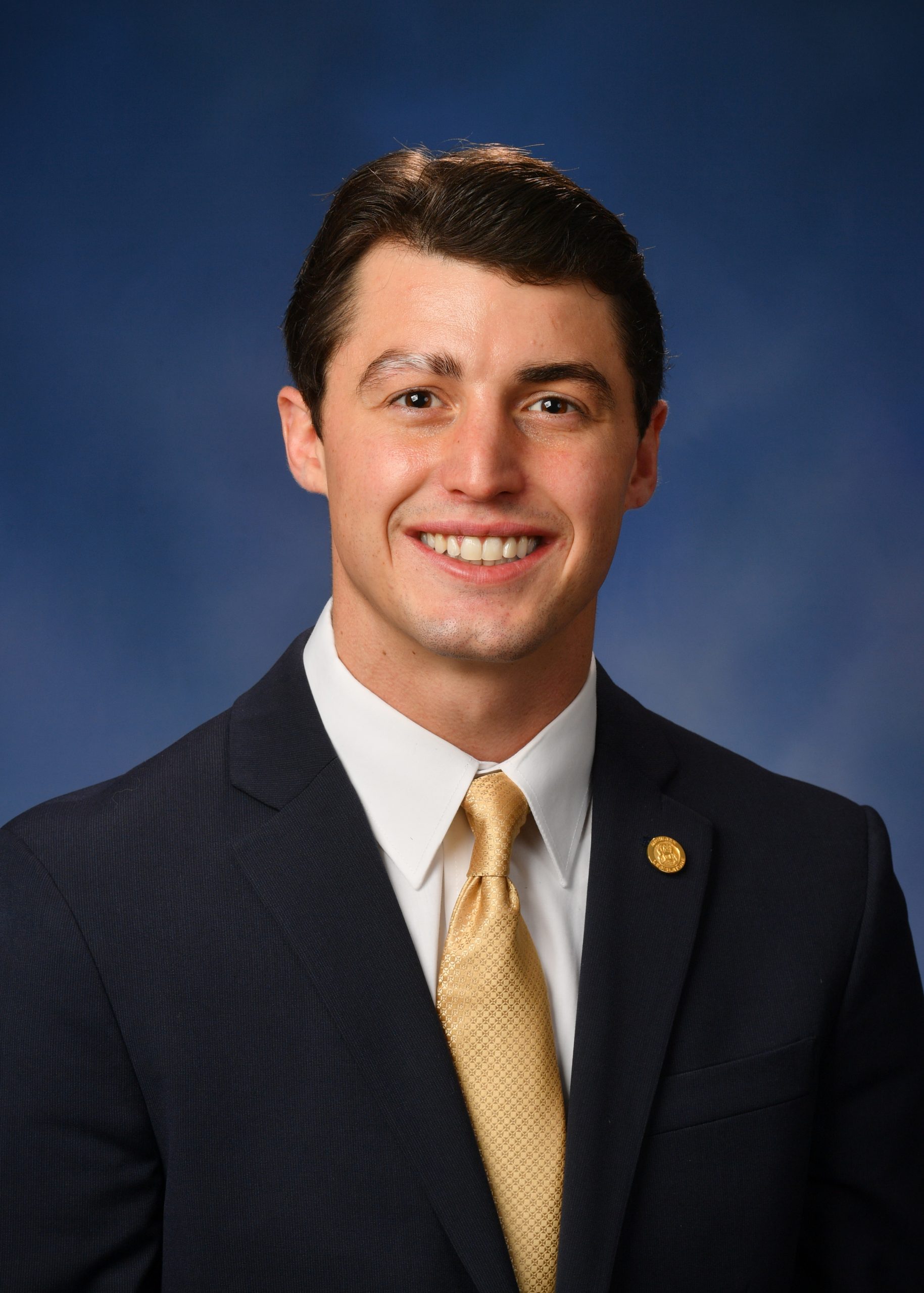
Pat Outman
House · District 91
|
R |
Strong −
|
0% | 5 |
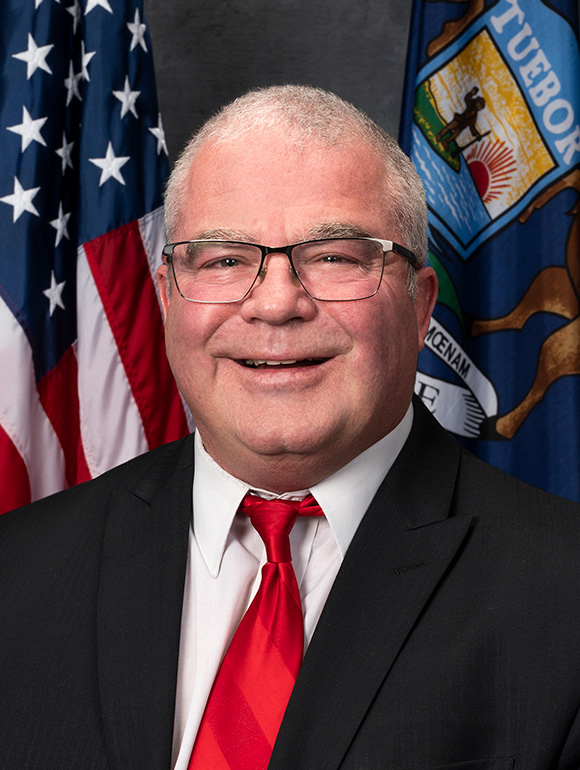
Rick Outman
Senate · District 33
|
R |
Strong −
|
0% | 5 |
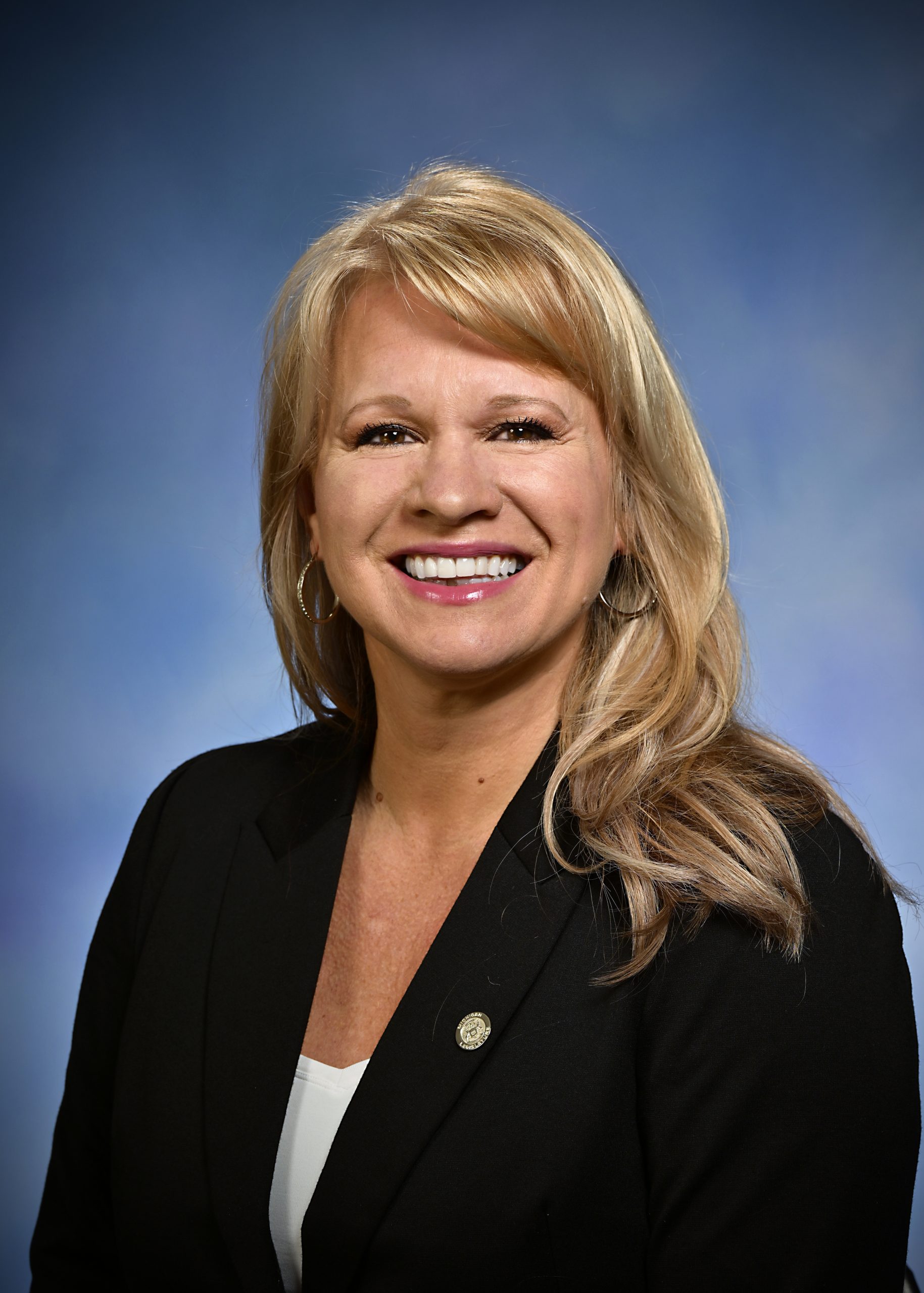
Alicia St. Germaine
House · District 62
|
R |
Strong −
|
0% | 4 |
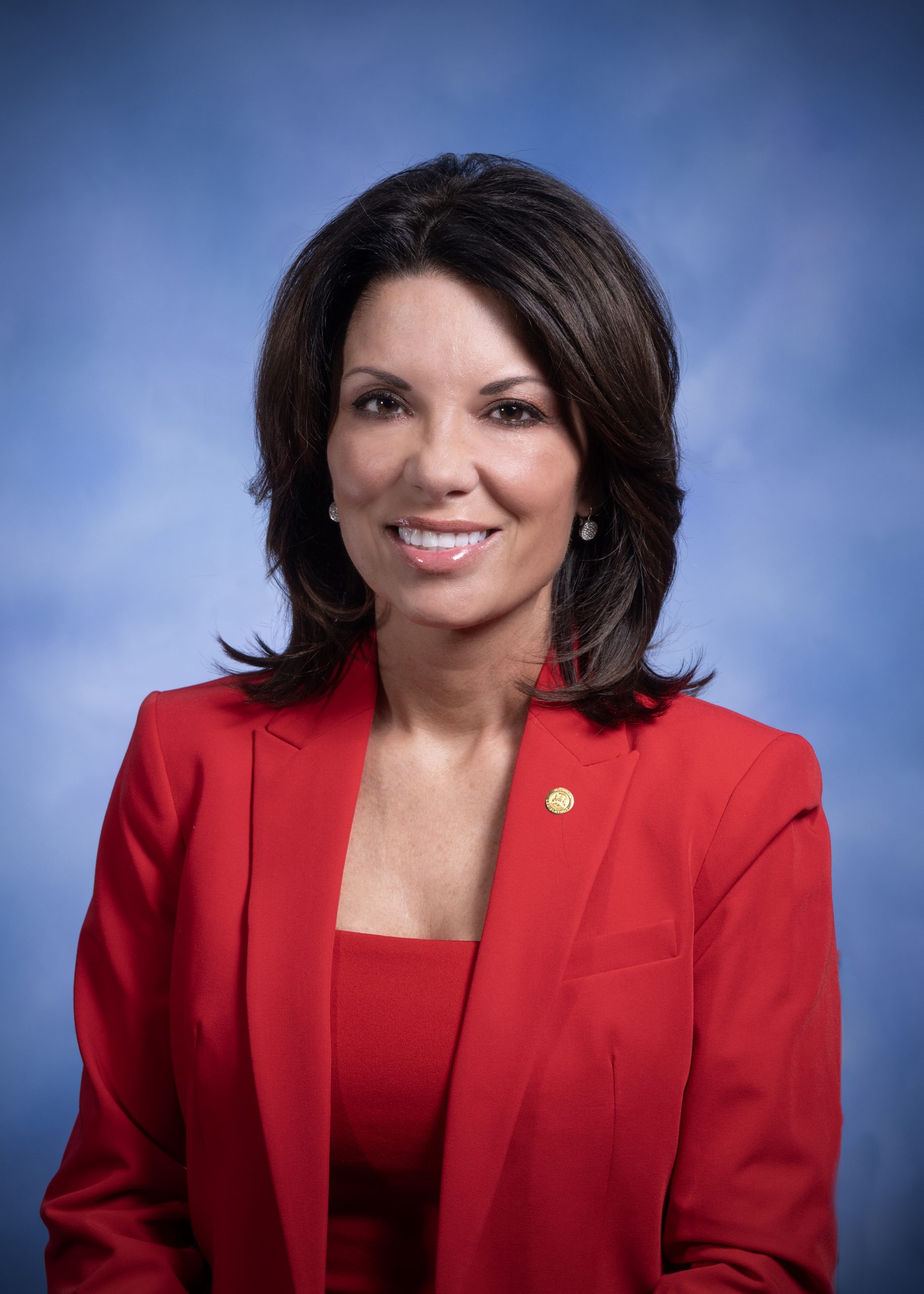
Angela Rigas
House · District 79
|
R |
Strong −
|
0% | 4 |
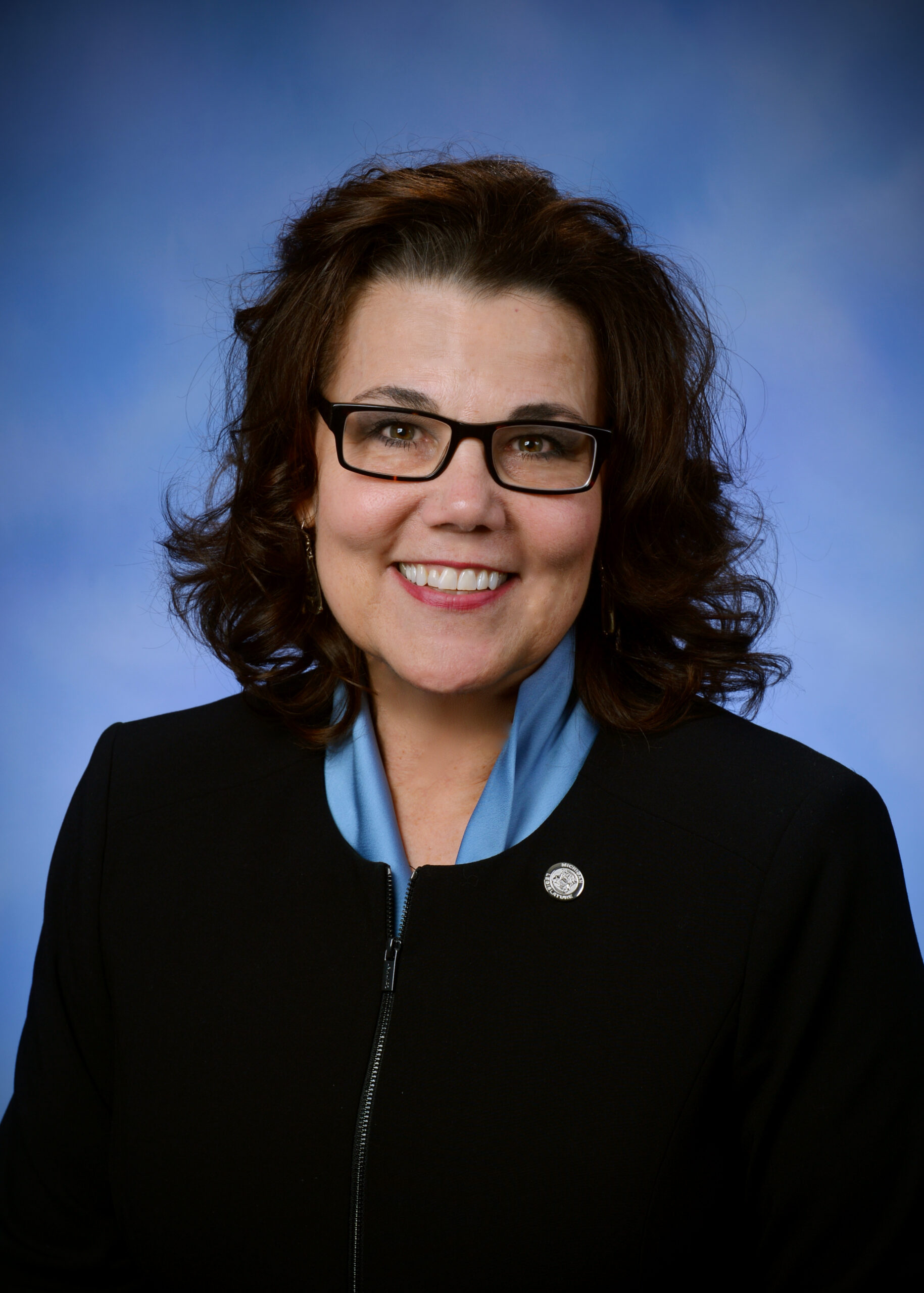
Ann Bollin
House · District 49
|
R |
Strong −
|
0% | 4 |
Showing 1–10 of 12
bills
All criminal justice bills
SB 802: Controlled substances: penalties; conduct associated with qualified psychoactive substances; exempt from criminal penalties in certain circumstances. Amends secs. 7401, 7403 & 7404 of 1978 PA 368 (MCL 333.7401 et seq.).
Sub-Topics
Drug Policy
HB 5453: Criminal procedure: other; prison diversion program for individuals in the possession of controlled substances; create. Amends 1927 PA 175 (MCL 760.1 - 777.69) by adding sec. 21c to ch. XVI.
Topics
✓ Criminal JusticeSupports Criminal JusticeCreates pre-charge diversion to treatment instead of prosecution, reducing incarceration and promoting rehabilitation - key criminal justice reform.
✓ HealthcareSupports HealthcareRedirects substance possession cases to treatment instead of prosecution, advancing access to substance use disorder care under healthcare framework.
HB 5372: Tobacco: other; minors that purchase, possess, or use tobacco products, vapor products, or alternative nicotine products; sunset criminal penalties and civil sanctions for. Amends sec. 2 of 1915 PA 31 (MCL 722.642). TIE BAR WITH: HB 5370'25, HB 5371'25, HB 5368'25, HB 5369'25
HB 4498: Health: other; syringe service programs; provide for. Amends secs. 7401, 7403, 7453 & 7457 of 1978 PA 368 (MCL 333.7401 et seq.) & adds sec. 5137.
Topics
✓ Criminal JusticeSupports Criminal JusticeExempts syringe program participants from criminal penalties for possession, reducing criminalization of drug use and aligning with justice reform.
✓ HealthcareSupports HealthcareEnables syringe service programs to reduce disease transmission, advancing public health initiatives under healthcare policy.
HB 5107: Marihuana: penalties and remedies; marihuana for personal use and possession; modify allowable amounts of. Amends secs. 5 & 15 of 2018 IL 1 (MCL 333.27955 & 333.27965). TIE BAR WITH: HB 5105'25
Sub-Topics
Drug Policy
SB 628: Human services: medical services; coverage for syringe service programs; provide for. Amends 1939 PA 280 (MCL 400.1 - 400.119b) by adding sec. 109t.
Topics
✓ Criminal JusticeSupports Criminal JusticeSyringe service programs reduce drug-related harm and public health risks, aligning with criminal justice reform by promoting harm reduction over criminalization.
✓ HealthcareSupports HealthcareMandates Medicaid coverage for syringe service programs, expanding harm reduction access for people who inject drugs, directly advancing healthcare access and public health initiatives.
SB 629: Health: other; syringe service programs; provide for. Amends secs. 7401, 7403, 7453 & 7457 of 1978 PA 368 (MCL 333.7401 et seq.) & adds sec. 5137.
Topics
✓ Criminal JusticeSupports Criminal JusticeExempts syringe program participants from criminal penalties for needle possession/trace drugs, reducing criminalization and advancing public health-focused criminal justice reform.
✓ HealthcareSupports HealthcareCreates legal framework for syringe services to reduce HIV/hepatitis spread, enabling public health programs and exempting participants from penalties - directly advancing disease prevention access.
SB 463: Tobacco: other; minors that purchase, possess, or use tobacco products, vapor products, or alternative nicotine products; sunset criminal penalties and civil sanctions for. Amends sec. 2 of 1915 PA 31 (MCL 722.642).
SB 384: Health: pharmaceuticals; delivery of prescription drugs associated with medically assisted treatment programs in county jails; allow. Amends sec. 17745a of 1978 PA 368 (MCL 333.17745a).
Topics
✓ Criminal JusticeSupports Criminal JusticeEnables medically assisted treatment in county jails, supporting rehabilitation and reducing recidivism through medication access for inmates in correctional settings.
✓ HealthcareSupports HealthcareAllows jail-based medically assisted treatment programs to deliver medications to inmates, ensuring continuity of care for substance use disorders - a healthcare service requiring access to prescribed pharmaceuticals.