Issue · Criminal Justice

Criminal Justice (Corrections)

Every criminal justice bill, vote, and legislator stance in Michigan, automatically classified by Maddy, our AI policy reader.

Total bills
32
2025-2026 Regular Session
Top supporter
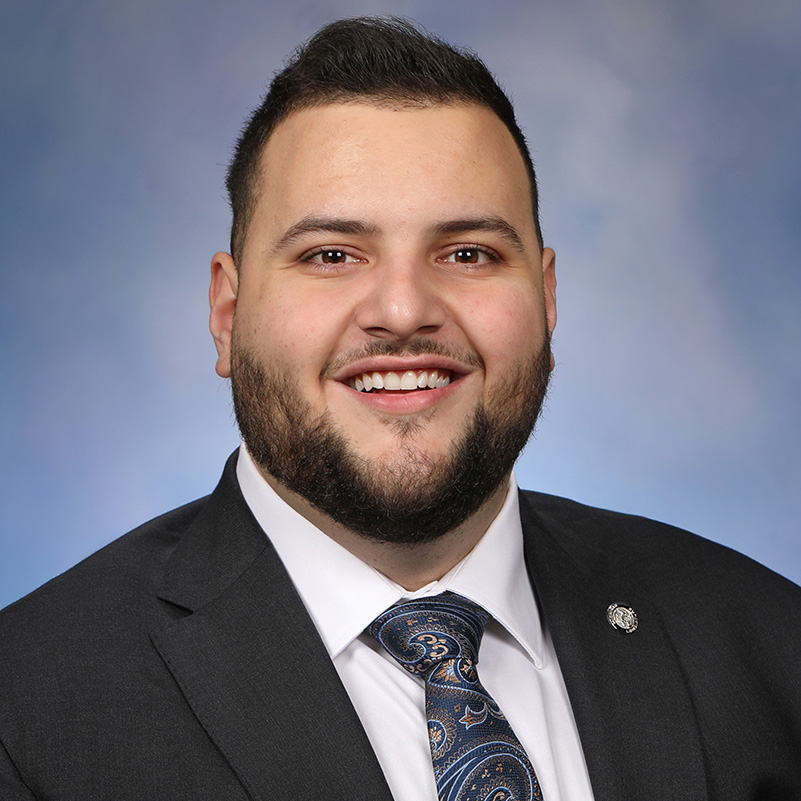
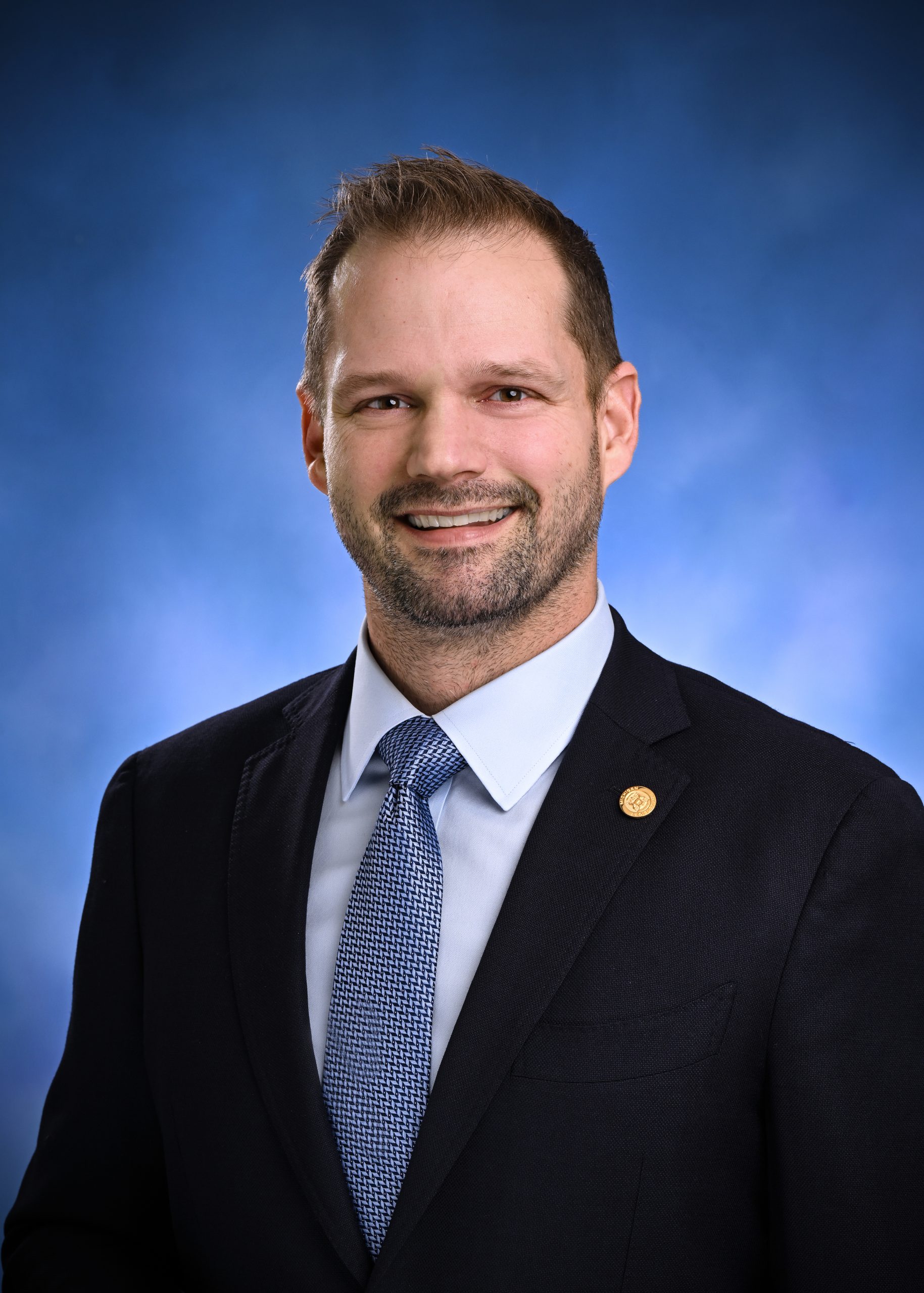
Alabas Farhat
100% support rate
Top opponent
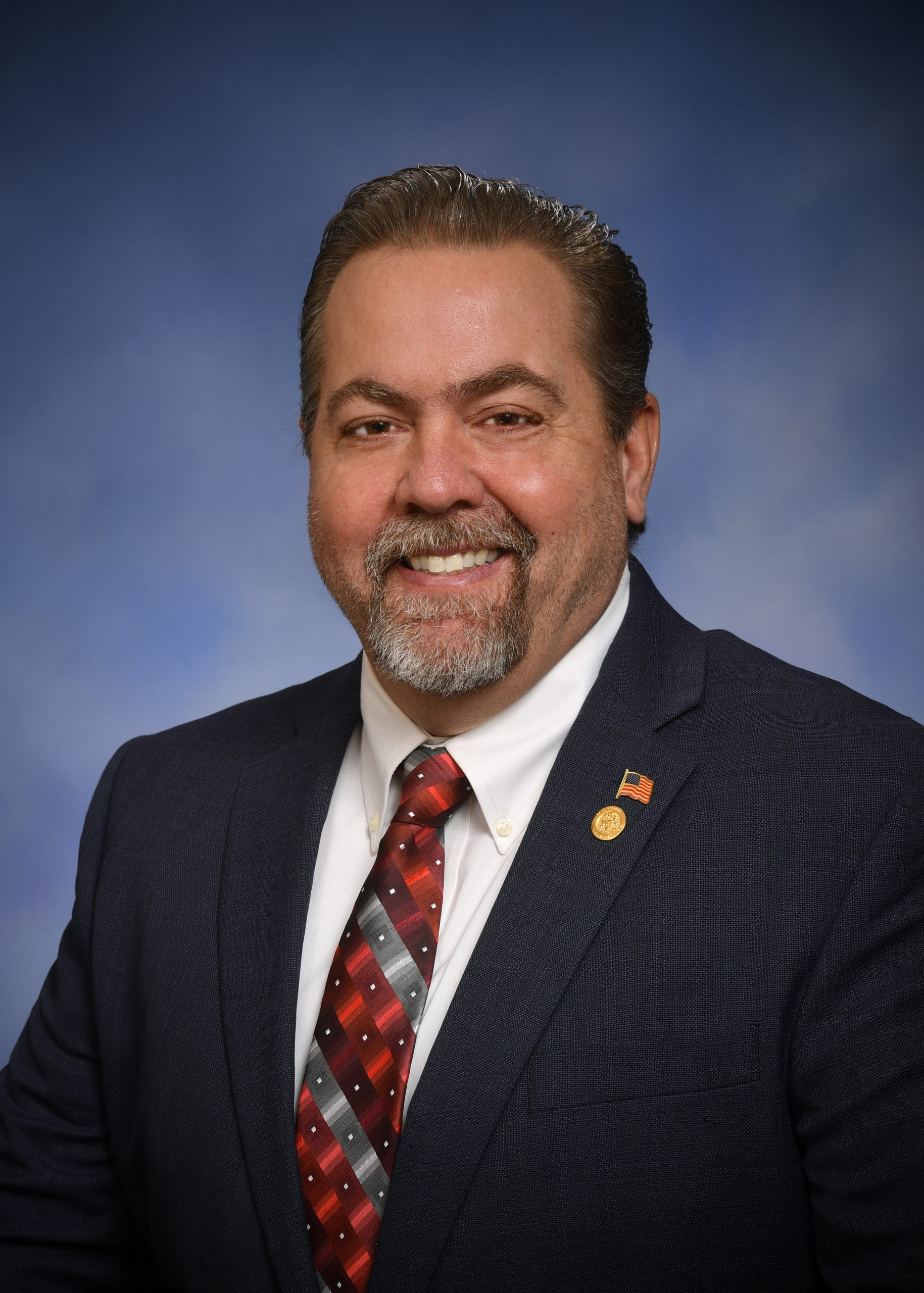
Joseph Fox
0% support rate
Ranked legislators
10
5 support · 5 oppose
Key legislators

Who's moving corrections in Michigan

Legislators moving corrections in Michigan
Legislator Party Stance Support rate Votes
Alabas Farhat
Alabas Farhat House · District 3
D
Strong +
100% 5
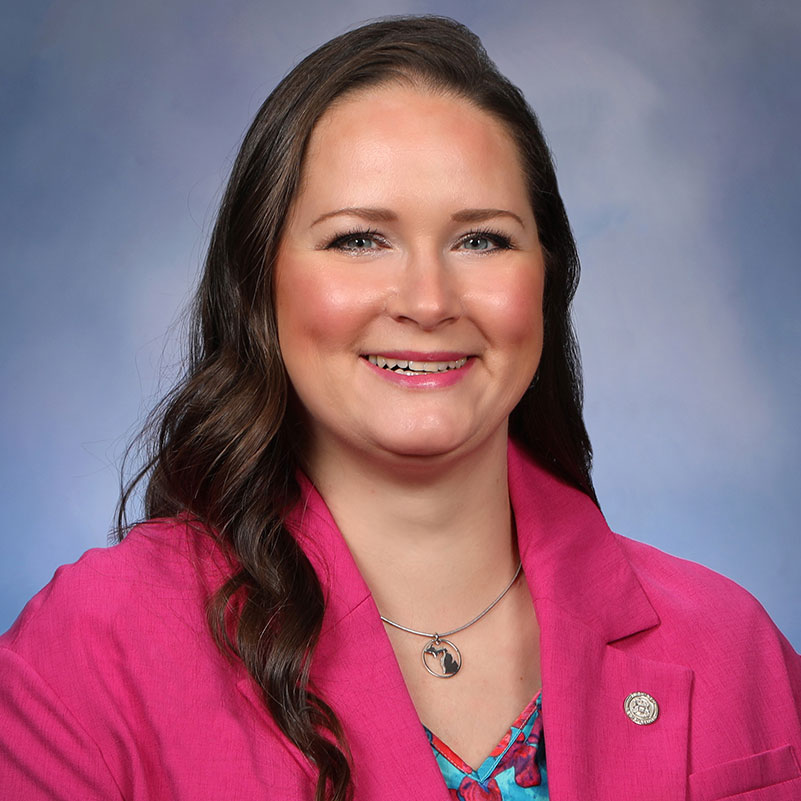
Betsy Coffia
Betsy Coffia House · District 103
D
Strong +
100% 5
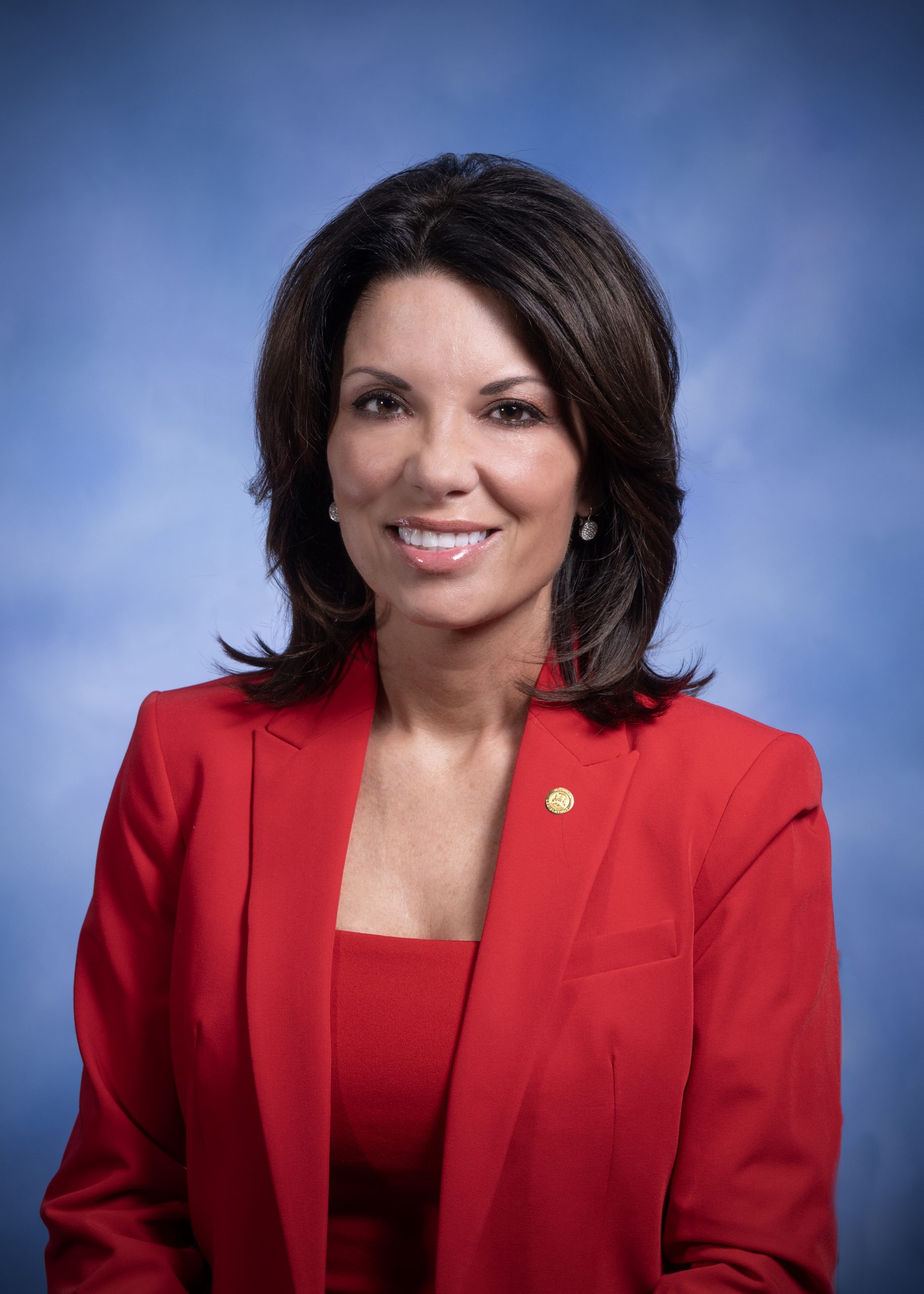
Carrie Rheingans
Carrie Rheingans House · District 47
D
Strong +
83% 6
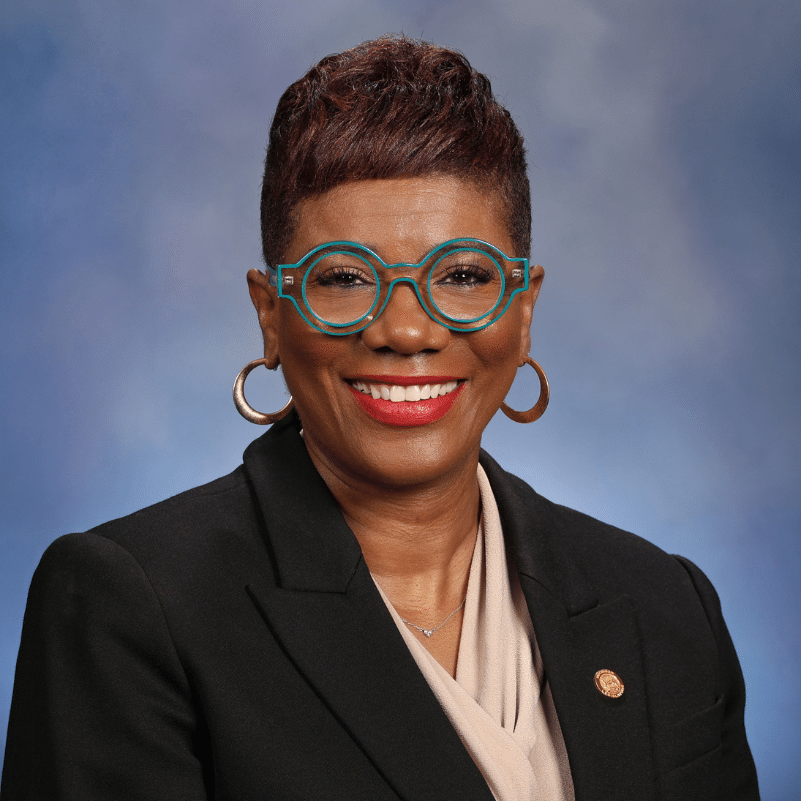
Cynthia Neeley
Cynthia Neeley House · District 70
D
Strong +
83% 6
Erin Byrnes
Erin Byrnes House · District 15
D
Strong +
83% 6
Joseph Fox
Joseph Fox House · District 101
R
Strong −
0% 5
Angela Rigas
Angela Rigas House · District 79
R
Strong −
17% 6
Brad Slagh
Brad Slagh House · District 85
R
Strong −
17% 6
Bryan Posthumus
Bryan Posthumus House · District 90
R
Strong −
17% 6
Dave Prestin
Dave Prestin House · District 108
R
Strong −
17% 6
Showing 1–10 of 32 bills

All criminal justice bills

in committee · Michigan · House Aug 27, 2026

HB 6260: Crimes: criminal sexual conduct; penalties for criminal sexual conduct in the first degree; modify.

Michigan House Bill 6260 amends the state penal code to modify the legal definition of first-degree criminal sexual conduct and establish stricter sentencing guidelines for offenders. The bill expands the list of aggravating circumstances that elevate a crime to this most serious level, specifically including acts committed by school employees, volunteers, or child care providers who use their professional status to gain access to victims aged 13 to 15. It also broadens the definition of force and coercion to include situations where an actor uses medical treatment unethically or overcomes a victim through concealment or surprise. Regarding penalties, the bill mandates that anyone convicted of first-degree criminal sexual conduct must receive lifetime electronic monitoring in addition to their prison sentence. It increases the minimum prison term for adults who commit these acts against children under 13 and imposes a mandatory life sentence without parole for repeat offenders who have previously been convicted of similar crimes against young children.
in committee · Michigan · House Sep 1, 2026

HB 6284: Weapons: firearms; sentencing guidelines; update. Amends sec. 16m of 1927 PA 175 (MCL 777.16m). TIE BAR WITH: HB 6285'26

Michigan House Bill 6284 updates the state's sentencing guidelines by amending Section 16m of the Code of Criminal Procedure to include specific firearm-related felonies. The bill creates a comprehensive list of offenses, ranging from selling firearms to minors and prohibited persons to discharging guns in vehicles or at dwellings, assigning each a specific classification level and maximum prison sentence. These classifications determine how judges calculate sentences for these crimes, with penalties varying based on the severity of the act and any resulting injuries or deaths. The legislation is tied to House Bill 6285 and will not take effect unless that companion bill is also enacted into law.
in committee · Michigan · House Aug 27, 2026

HB 6263: Crimes: criminal sexual conduct; penalties for criminal sexual conduct in the fourth degree; modify.

Michigan House Bill 6263 amends the state penal code to expand the definition of fourth-degree criminal sexual conduct, which is classified as a misdemeanor felony. The bill specifically targets individuals who engage in sexual contact with minors aged 16 to 17 who are students, or young adults aged 16 to 25 receiving special education services, when the perpetrator is a teacher, school employee, volunteer, or other authority figure using their position to gain access to the victim. It also includes provisions for sexual contact involving foster care residents and mental health patients, while maintaining existing penalties of up to two years in prison or a fine of $500.
in committee · Michigan · House Aug 27, 2026

HB 6262: Crimes: criminal sexual conduct; penalties for criminal sexual conduct in the third degree; modify.

Michigan House Bill 6262 amends the state penal code to expand the definition of third-degree criminal sexual conduct, which applies to individuals who engage in sexual penetration under specific circumstances such as involving a minor, using force, or exploiting a position of trust. The bill adds new provisions that criminalize such acts when the victim is a student aged 16 to 17 with a school employee, a person receiving special education services up to age 25, or a resident of a child care or foster home who is at least 16 years old. It also introduces an affirmative defense for victims in incest cases where they were coerced by an authority figure and excludes married couples from certain incest charges. The legislation increases the minimum prison sentence for this felony from five to 15 years, with a maximum penalty of life imprisonment, and takes effect 90 days after enactment.
Sub-Topics Corrections
in committee · Michigan · House Jun 16, 2026

HB 6077: Consumer protection: other; virtual currency kiosks; prohibit the operation of. Creates new act.

This bill, known as the Virtual Currency Kiosk Prevention Act, prohibits the operation of physical terminals in Michigan that facilitate buying, selling, or exchanging virtual currency for cash or bank credit. It defines these terminals as devices that connect to external exchanges or hold the operator's own virtual currency and applies to any business or individual running them. Violators face felony charges with penalties including up to five years in prison, fines of up to $50,000, or community service, with harsher sentences of up to ten years and higher fines if vulnerable adults are harmed or significant financial losses occur. The law also grants the attorney general and county prosecutors the power to seek injunctions, recover collected fees, and confiscate the kiosks themselves.
Sub-Topics Corrections Tags Consumer Protection
in committee · Michigan · House Apr 30, 2026

HB 5917: Criminal procedure: sentencing; mandatory sentencing for certain crimes; require. Amends (See bill) & repeals sec. 145g of 1931 PA 328 (MCL 750.145g).

This bill amends Michigan's penal code to establish mandatory minimum sentences for specific assault and battery offenses. It directly affects individuals convicted of assaulting spouses, dating partners, household members, or pregnant victims, as well as those with prior convictions for similar acts against these groups. The key provision requires that anyone found guilty of these crimes receive a prison term of at least one year, with higher minimums of two and a half years or five years depending on the victim's status and the offender's criminal history. Additionally, the bill mandates that healthcare facilities post signs warning that assaulting medical staff can result in enhanced fines.
in committee · Michigan · House Apr 30, 2026

HB 5911: Criminal procedure: sentencing; mandatory sentencing for certain crimes in the identity theft act; require. Amends sec. 9 of 2004 PA 452 (MCL 445.69).

HB 5911 amends Michigan's Identity Theft Protection Act to establish mandatory minimum prison sentences for repeat offenders who commit identity theft crimes. Specifically, the bill requires a minimum of 10 years in prison for a third or subsequent violation of the act and a minimum of 2 years and 6 months for certain violations involving specific types of data breaches. These sentencing rules apply regardless of whether the victim is alive or deceased at the time of the crime and allow courts to order prison terms to be served consecutively with other related convictions. The legislation also clarifies that these mandatory sentences do not apply to violations of state or federal regulations governing financial institutions and insurance.
Sub-Topics Corrections Sentencing
in committee · Michigan · House Apr 30, 2026

HB 5909: Criminal procedure: sentencing; mandatory sentencing for certain crimes in the Medicaid false claim act; require. Amends sec. 6 of 1977 PA 72 (MCL 400.606).

This bill proposes to increase the mandatory minimum prison sentence for individuals convicted of conspiring to defraud the state of Michigan by submitting false Medicaid claims. Under the current law, such offenses are felonies punishable by up to 10 years in prison or a fine of up to $50,000, but this legislation would require a minimum sentence of 2 years and 6 months for anyone found guilty. The change directly affects healthcare providers, billing companies, and other entities or individuals involved in submitting false claims for Medicaid reimbursement. If passed, the amendment would take effect 90 days after it is signed into law.
in committee · Michigan · House Apr 30, 2026

HB 5913: Criminal procedure: sentencing; mandatory sentencing for certain crimes regarding contraband in prisons; require. Amends secs. 1, 3, 3a & 5 of 1909 PA 17 (MCL 800.281 et seq.).

HB 5913 strengthens Michigan's existing laws against contraband in prisons by establishing mandatory minimum sentences for specific violations. The bill directly affects anyone who sells, gives, or furnishes weapons, drugs, or wireless communication devices to prisoners, as well as prisoners who possess these items. Under the new provisions, bringing weapons or drugs into a correctional facility carries a mandatory minimum prison sentence of one year, while possessing weapons inside a facility mandates a minimum of 15 years in prison. Additionally, the bill requires that confiscated but functional cell phones be donated to charities supporting military personnel rather than being destroyed. These changes aim to increase penalties for individuals who facilitate the entry of prohibited items into correctional facilities.
Sub-Topics Corrections Sentencing
in committee · Michigan · House Apr 30, 2026

HB 5910: Criminal procedure: sentencing; mandatory sentencing for certain crimes in the social welfare act; require. Amends sec. 60 of 1939 PA 280 (MCL 400.60).

This bill amends Michigan's Social Welfare Act to impose mandatory prison sentences for individuals who commit fraud to obtain government assistance or for those who knowingly fail to report required financial information. Under the new provisions, anyone convicted of obtaining relief through false statements or hiding income would face a fixed sentence of between 2.5 and 4 years in prison, regardless of the specific amount involved. The legislation also mandates that employees of social welfare agencies who authorize relief for ineligible individuals be removed from their positions upon conviction. Additionally, the bill clarifies the reporting obligations for recipients, requiring them to disclose employment offers and changes in circumstances that might affect their eligibility for aid.
Sub-Topics Corrections Sentencing
Showing 1 to 10 of 32 bills
1 2 3 4 Next