Issue · Criminal Justice

Criminal Justice

Every criminal justice bill, vote, and legislator stance in Michigan, automatically classified by Maddy, our AI policy reader.

Total bills
98
2025-2026 Regular Session
Top supporter
Erika Geiss
77% support rate
Top opponent
Jonathan Lindsey
27% support rate
Ranked legislators
10
5 support · 5 oppose
Key legislators

Who's moving criminal justice in Michigan

Legislators moving criminal justice in Michigan
Legislator Party Stance Support rate Decisive votes
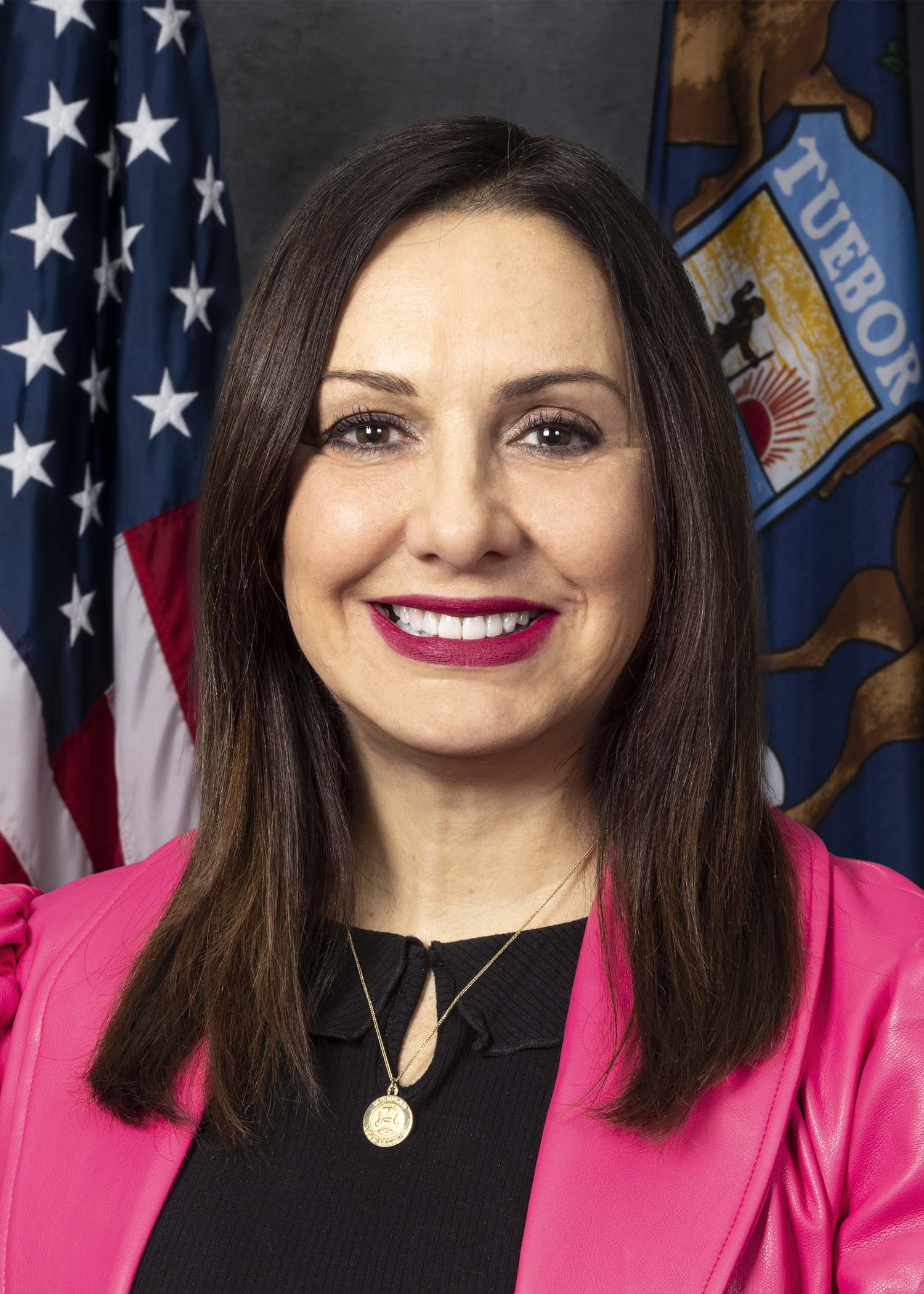
Erika Geiss
Erika Geiss Senate · District 1
D
Support
77% 13
Dayna Polehanki
Dayna Polehanki Senate · District 5
D
Support
73% 15
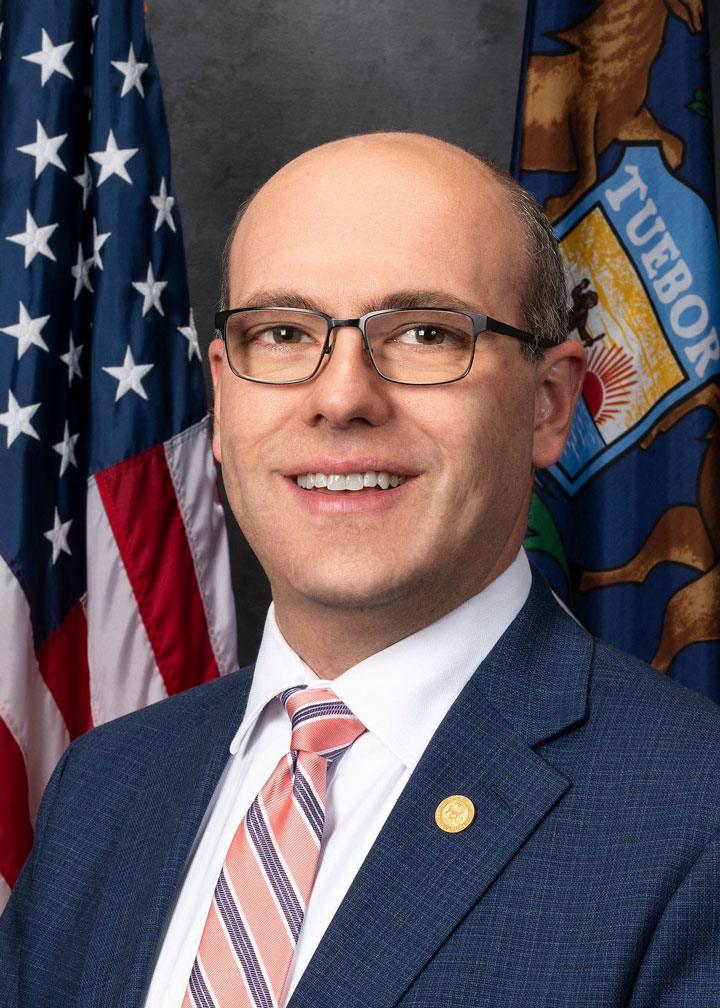
Jeff Irwin
Jeff Irwin Senate · District 15
D
Support
73% 15
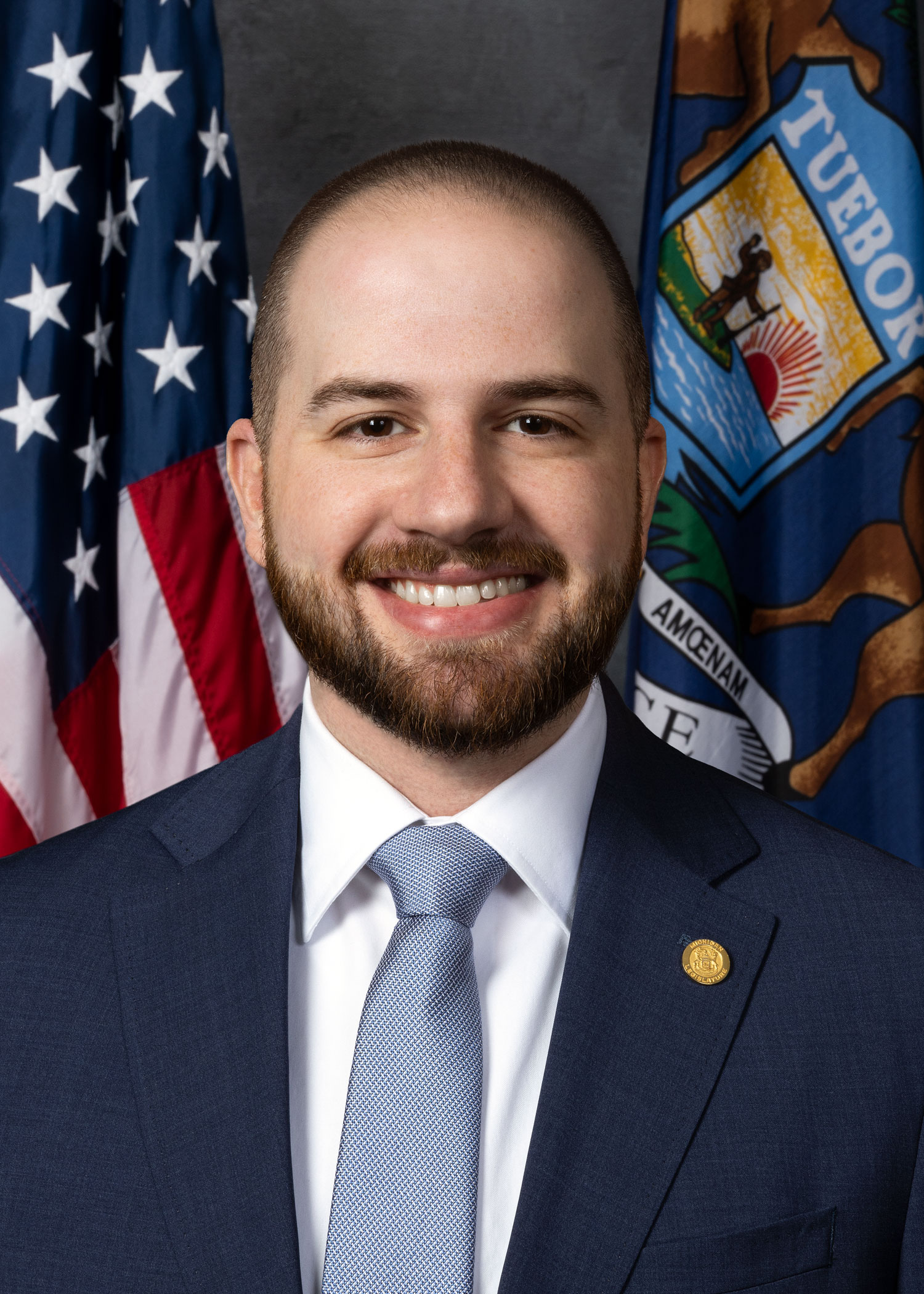
Jeremy Moss
Jeremy Moss Senate · District 7
D
Support
73% 15
John Cherry
John Cherry Senate · District 27
D
Support
73% 15
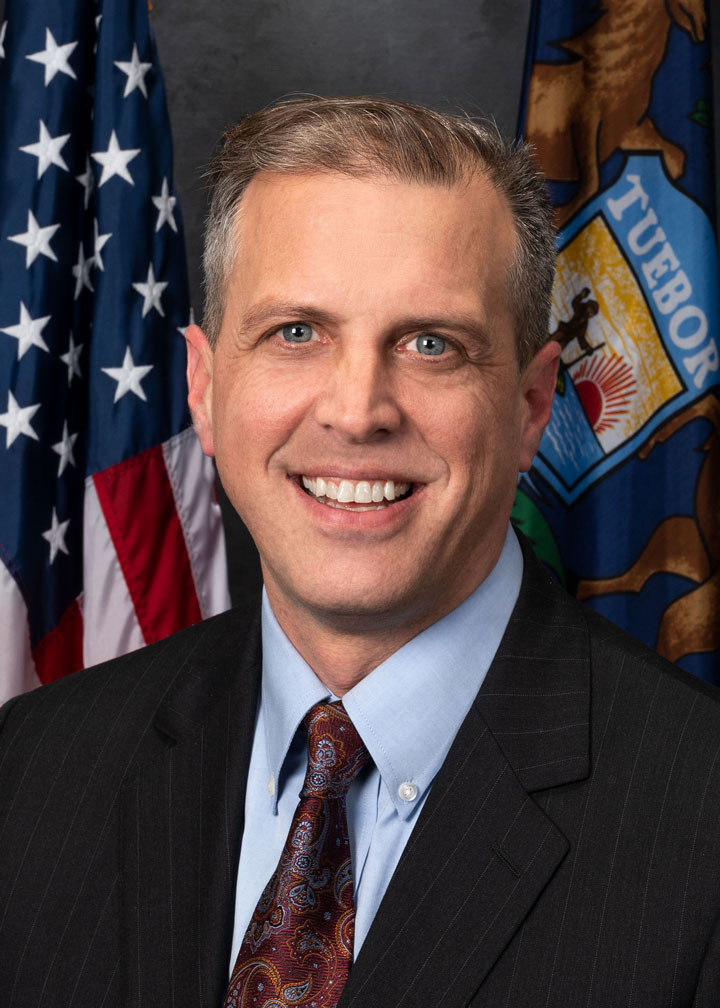
Jonathan Lindsey
Jonathan Lindsey Senate · District 17
R
Oppose
27% 15
Lana Theis
Lana Theis Senate · District 22
R
Oppose
27% 15
Michele Hoitenga
Michele Hoitenga Senate · District 36
R
Oppose
27% 15
Thomas Albert
Thomas Albert Senate · District 18
R
Oppose
27% 15
Jon Bumstead
Jon Bumstead Senate · District 32
R
Oppose
29% 14
Showing 61–70 of 98 bills

All criminal justice bills

passed both · Michigan · House Sep 18, 2025

HB 4717: Crimes: definitions; definition of racketeering; include insurance fraud. Amends sec. 159g of 1931 PA 328 (MCL 750.159g).

HB 4717 amends Michigan's criminal code by adding insurance fraud to the legal definition of racketeering under MCL 750.159g. This change directly affects cases involving insurance fraud, making it a specific type of racketeering offense rather than a separate crime. The key provision updates the statute to explicitly include insurance fraud within the broader racketeering definition used for prosecution. As a substantive policy change, this alters how such fraud cases are categorized and prosecuted under state law.
in committee · Michigan · House Sep 24, 2025

HB 5017: Crimes: prostitution; references to prostitution; modify in the DNA identification profiling system act. Amends sec. 6 of 1990 PA 250 (MCL 28.176). TIE BAR WITH: HB 5016'25

HB 5017 amends Michigan's DNA Identification Profiling System Act to require permanent DNA retention for individuals arrested or convicted of specific prostitution-related misdemeanors, including window peeping for commercial sex, indecent exposure, and leasing property for prostitution. This expands the current law, which previously required DNA collection only for felony offenses or certain other misdemeanors, by adding these particular prostitution offenses to the list triggering mandatory DNA collection. The bill affects people charged with these specific misdemeanors who would not have previously required DNA retention under the law. It does not change DNA collection for felony offenses or other existing categories.
in committee · Michigan · House Mar 6, 2025

HB 4166: Crimes: drugs; illicit use of xylazine; prohibit, and provide penalties. Amends secs. 7103, 7105, 7106, 7401, 7403, 7403a, 7451, 7453 & 7455 of 1978 PA 368 (MCL 333.7103 et seq.).

HB 4166 prohibits the non-medical use of xylazine (a sedative sometimes mixed with drugs like fentanyl) in Michigan. It defines "illicit use" as any xylazine use not covered under "licit use," which includes legal veterinary applications, pharmaceutical manufacturing, or approved medical treatments. The bill amends Michigan's Public Health Code to make possessing or using xylazine for non-licensed purposes a felony, with penalties ranging from up to 20 years in prison or fines up to $1 million depending on the amount. This directly affects individuals using xylazine outside approved medical or veterinary contexts, aligning penalties with those for other controlled substances like opioids.
Sub-Topics Drug Policy
signed · Michigan · Senate Jul 29, 2026

SB 294: Crimes: animals; forfeiture of seized animals and restitution for care and treatment of certain forfeited animals; amend. Amends sec. 50b of 1931 PA 328 (MCL 750.50b).

SB 294 strengthens Michigan's animal cruelty laws by increasing penalties for harming companion animals (like pets and service animals) and adding new requirements for convicted individuals. It classifies offenses into three degrees (with first-degree punishable by up to 10 years in prison) and mandates courts to order restitution for animal care costs, including veterinary treatment and shelter. The bill also allows courts to prohibit convicted individuals from owning animals for a specified period or permanently. Exemptions cover lawful activities like hunting, farming, and veterinary care. This law directly affects people convicted of animal cruelty, particularly those targeting companion animals.
Sub-Topics Victims' Rights
passed · Michigan · Senate Jan 29, 2026

SB 520: Crimes: prostitution; penalties for individual 16 years of age or less in house of prostitution; modify. Amends sec. 462f of 1931 PA 328 (MCL 750.462f).

SB 520 amends Michigan's penal code to increase penalties for certain prostitution-related offenses. It raises the maximum penalty for basic violations (under sections 462b-462d) from 10 years to 20 years in prison and from $10,000 to $20,000 in fines. The bill specifically targets individuals who violate these sections, including those operating or facilitating commercial sex, and updates penalties for more severe outcomes like bodily injury or serious harm. These changes apply to anyone convicted under the amended sections of the law. The bill does not alter the scope of prohibited conduct, only the severity of potential punishments.
Sub-Topics Human Trafficking
passed both · Michigan · House Mar 17, 2026

HB 5125: Crimes: penalties; enhanced penalties for theft of cargo; provide for. Amends 1931 PA 328 (MCL 750.1 - 750.568) by adding sec. 356e.

HB 5125 would add enhanced penalties for theft of commercial cargo in Michigan. If passed, individuals convicted of stealing cargo (defined as goods in transit via trucks, warehouses, or shipping facilities, excluding direct-to-consumer packages like retail deliveries) could face up to 10 additional years in prison. Prosecutors must specify this enhanced penalty in court documents, and the extra sentence would run consecutively with any other sentences for the same crime. The bill specifically targets theft of large-scale commercial shipments moving through transportation systems.
Sub-Topics Corrections Courts
passed both · Michigan · House Dec 10, 2025

HB 4470: Highways: bridges; Mackinac Bridge; designate as a key facility. Amends sec. 552c of 1931 PA 328 (MCL 750.552c).

HB 4470 amends Michigan's penal code to designate specific portions of the Mackinac Bridge (those not open to or intended for public use) as a "key facility" under existing law. This means unauthorized entry onto these bridge sections - when enclosed by barriers like water and properly posted with signage - would become a felony punishable by up to 4 years in prison or a $2,500 fine. The bill adds the Mackinac Bridge to a list of protected critical infrastructure, including power plants, water facilities, and chemical plants, all requiring physical barriers and visible signage to enforce entry restrictions. It does not change current penalties or posting requirements but extends them specifically to the Mackinac Bridge's restricted areas.
Sub-Topics Bridges
in committee · Michigan · Senate Oct 29, 2025

SB 430: Crimes: controlled substances; crime of manufacturing, delivering, or possession of with intent to deliver heroin or fentanyl; modify to reflect changes in sentencing guidelines. Amends sec. 7401 of 1978 PA 368 (MCL 333.7401).

SB 430 updates Michigan's sentencing for drug offenses involving heroin and fentanyl. It specifically increases penalties for these substances by setting life imprisonment as the maximum sentence for possessing 1,000 grams or more of heroin, fentanyl, or their derivatives - previously capped at 30 years for other drugs. The bill maintains lower penalties for smaller amounts (e.g., 50-450 grams carries up to 20 years) and for other controlled substances not listed in the enhanced provisions. This directly affects individuals convicted of manufacturing, delivering, or possessing these specific drugs with intent to distribute. The changes align sentencing for heroin/fentanyl with the most severe penalties under existing law, reflecting updated guidelines for these dangerous opioids.
Sub-Topics Drug Policy Sentencing
passed both · Michigan · House Mar 17, 2026

HB 5157: Crimes: penalties; delivery of controlled substance causing serious injury; provide penalties. Amends 1931 PA 328 (MCL 750.1 - 750.568) by adding sec. 89a.

This bill creates a new felony offense for delivering Schedule 1 or 2 controlled substances (excluding marijuana) that causes serious injury. It defines "serious injury" as permanent disfigurement, loss of body function (like a limb or eye), coma lasting over 3 days, or measurable brain impairment. Violators face life imprisonment or any prison term. The law applies to people who illegally provide these drugs when the substance causes harm to the user or others.
Sub-Topics Drug Policy
in committee · Michigan · House Oct 30, 2025

HB 5155: Criminal procedure: defenses; duress as a defense to murder of the second degree; prohibit. Amends sec. 317 of 1931 PA 328 (MCL 750.317).

HB 5155 amends Michigan's penal code to remove duress as a defense for second-degree murder charges. Specifically, it changes section 317 to explicitly state that being forced to commit a crime (duress) cannot be used to defend against second-degree murder prosecutions. This directly affects defendants accused of second-degree murder who might otherwise claim they were coerced into committing the act. The bill makes no changes to the punishment for second-degree murder, which remains life imprisonment or any term of years at the court's discretion.
Sub-Topics Courts
Showing 61 to 70 of 98 bills
Previous 1 … 6 7 8 … 10 Next