Issue · Criminal Justice

Criminal Justice

Every criminal justice bill, vote, and legislator stance in Michigan, automatically classified by Maddy, our AI policy reader.

Total bills
239
2025-2026 Regular Session
Top supporter
Amos O'Neal
100% support rate
Top opponent
Lana Theis
27% support rate
Ranked legislators
10
5 support · 5 oppose
Key legislators

Who's moving criminal justice in Michigan

Legislators moving criminal justice in Michigan
Legislator Party Stance Support rate Votes
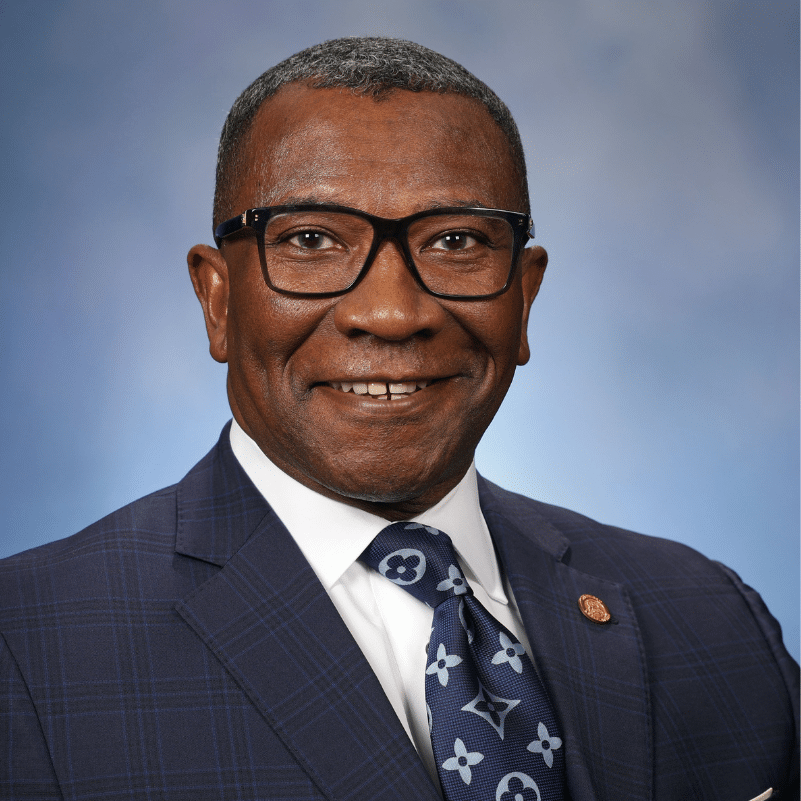
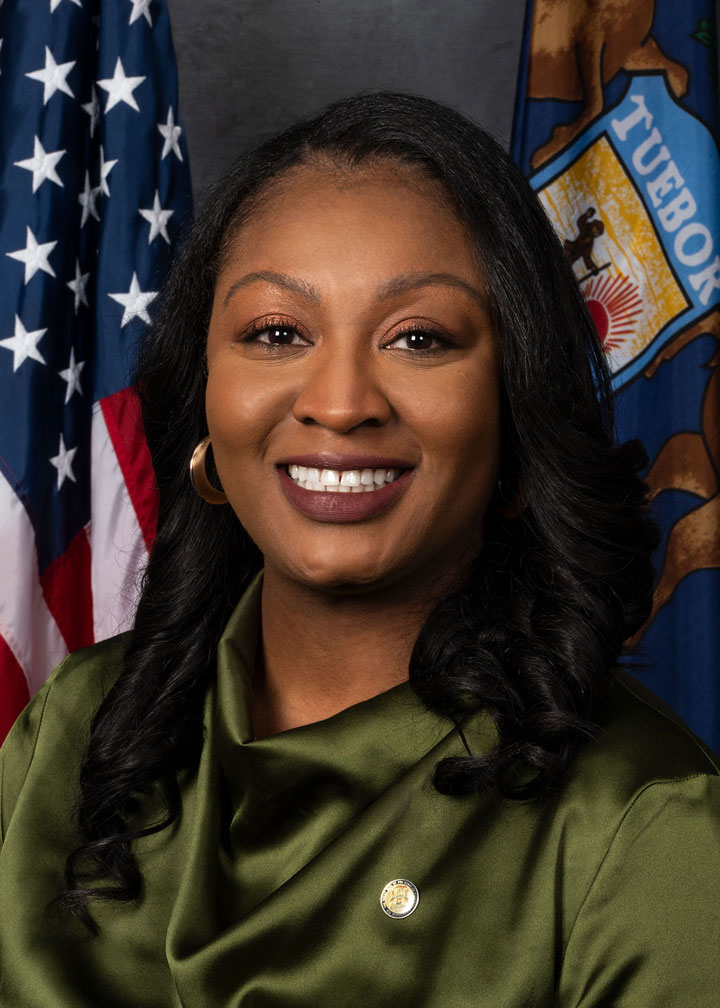
Amos O'Neal
Amos O'Neal House · District 94
D
Strong +
100% 18
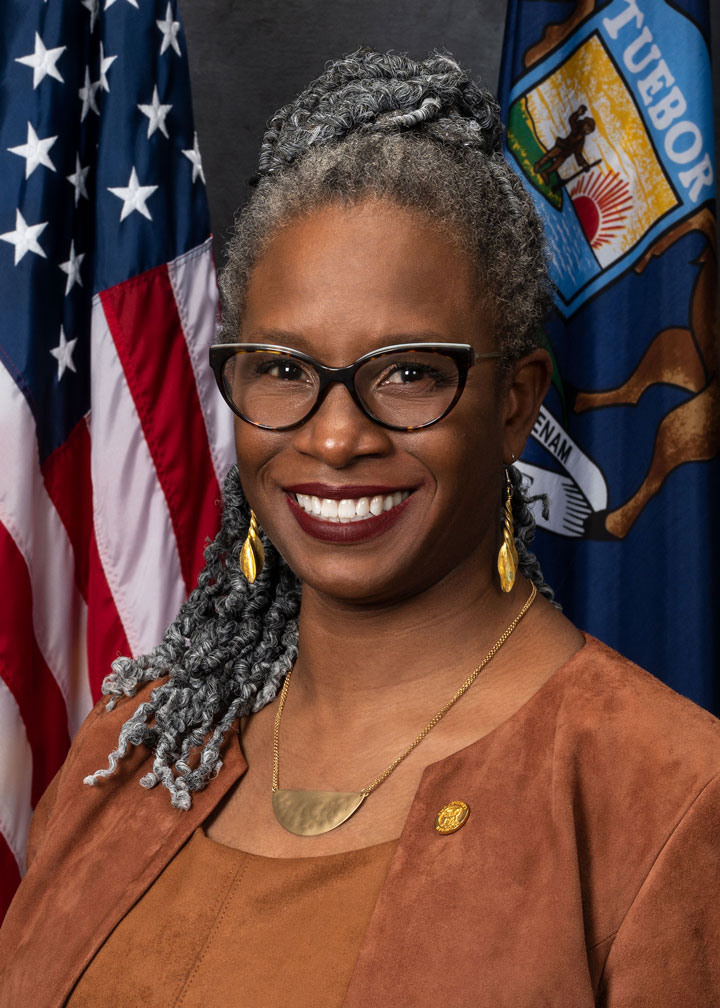
Erika Geiss
Erika Geiss Senate · District 1
D
Support
77% 43
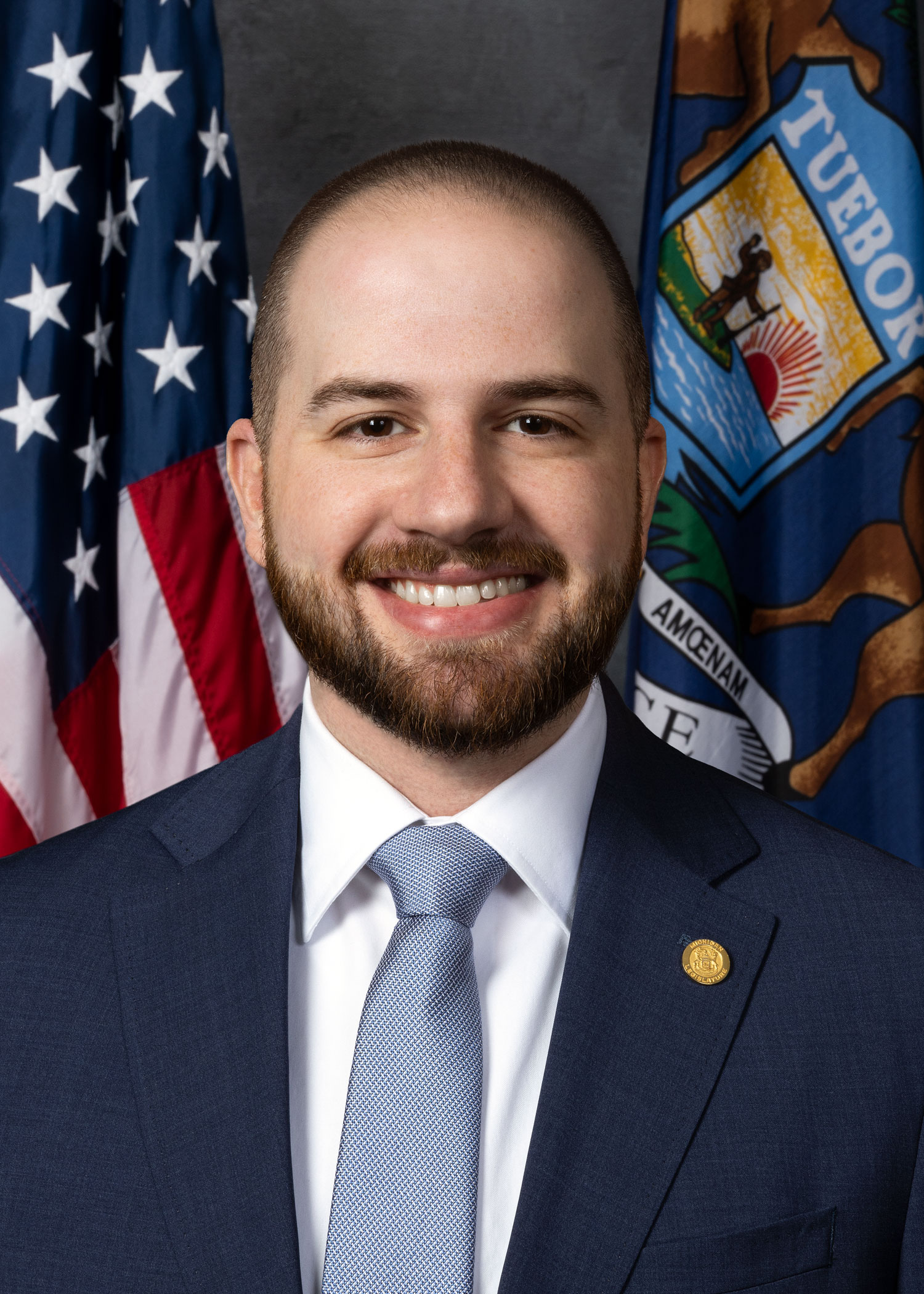
Jeremy Moss
Jeremy Moss Senate · District 7
D
Support
73% 48
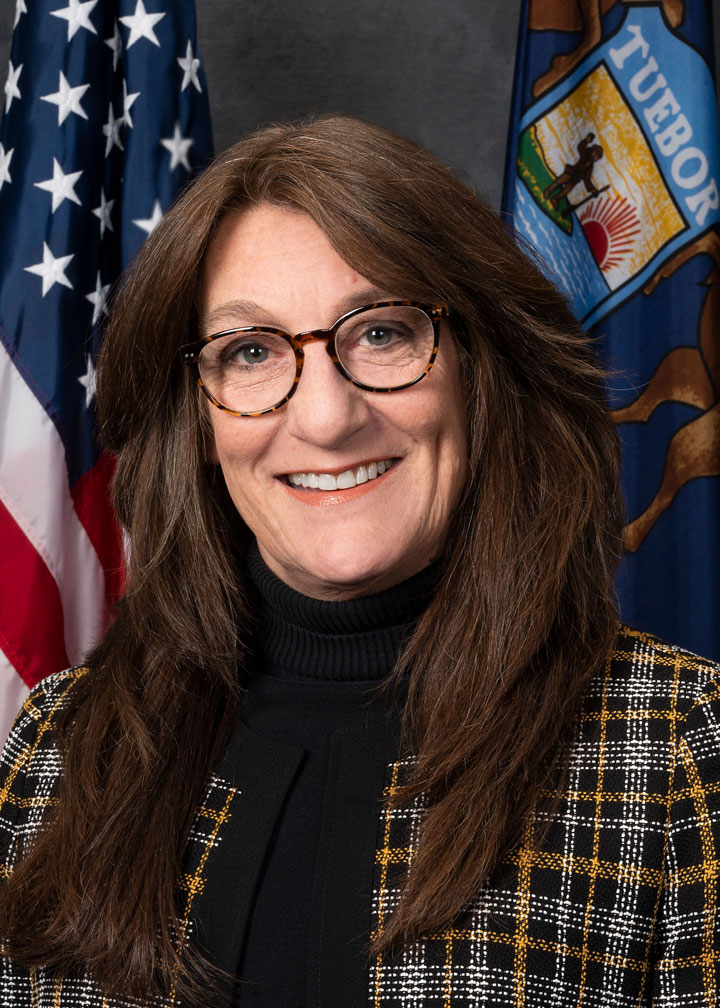
Veronica Klinefelt
Veronica Klinefelt Senate · District 11
D
Support
73% 48
Sarah Anthony
Sarah Anthony Senate · District 21
D
Support
73% 48
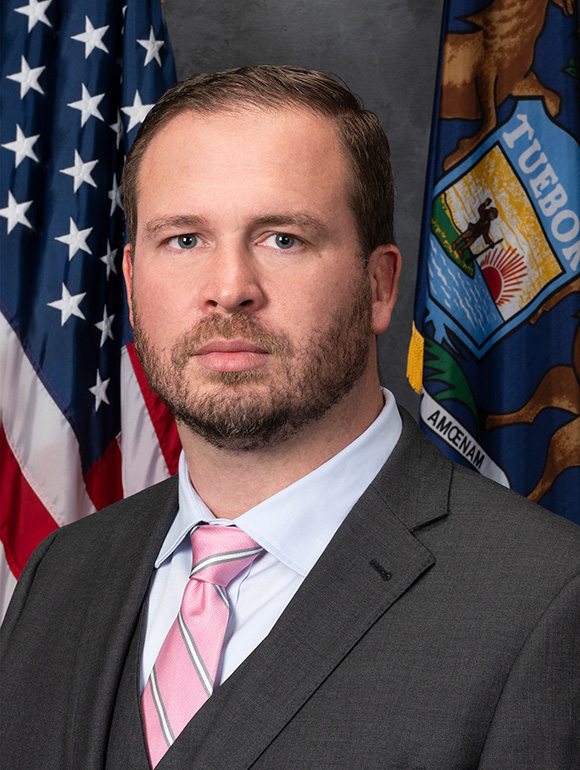
Lana Theis
Lana Theis Senate · District 22
R
Oppose
27% 43
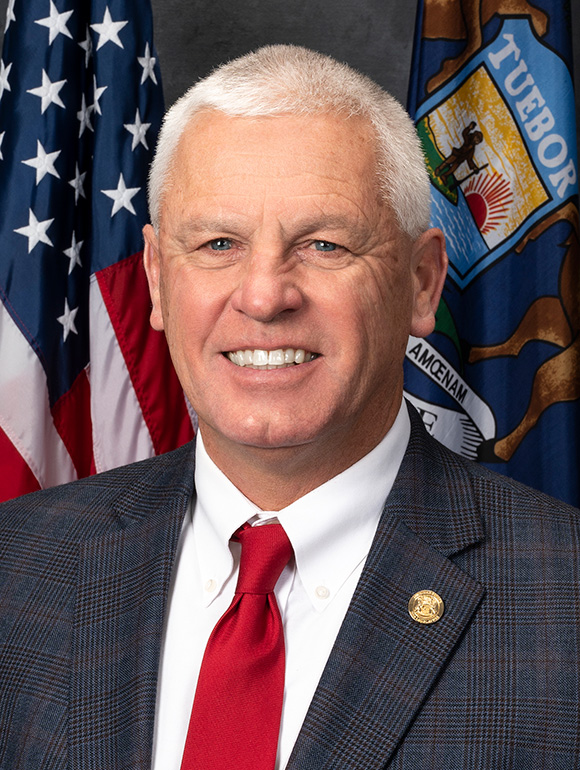
Thomas Albert
Thomas Albert Senate · District 18
R
Oppose
27% 48
Michele Hoitenga
Michele Hoitenga Senate · District 36
R
Oppose
27% 48
Jonathan Lindsey
Jonathan Lindsey Senate · District 17
R
Oppose
27% 47
Jon Bumstead
Jon Bumstead Senate · District 32
R
Oppose
29% 44
Showing 51–60 of 239 bills

All criminal justice bills

in committee · Michigan · Senate Apr 23, 2026

SB 920: Crimes: intoxication or impairment; penalties for operating while intoxicated and causing the death of another individual; modify. Amends sec. 625 of 1949 PA 300 (MCL 257.625).

This bill modifies Michigan's vehicle code to clarify and strengthen penalties for driving while intoxicated or impaired by drugs, specifically addressing cases where such driving results in death or serious injury. It establishes that individuals under 21 cannot legally drive with any detectable alcohol in their system and updates the definition of intoxication to include impairment from controlled substances. The legislation also adjusts sentencing guidelines, increasing potential prison terms for drivers who cause fatalities while operating a vehicle with a blood alcohol content of 0.17 or higher or if they have a prior conviction within seven years. Additionally, it maintains stricter penalties for drivers who kill emergency response personnel while intoxicated.
Sub-Topics Corrections Sentencing
in committee · Michigan · House Apr 22, 2026

HB 5832: Gaming: other; authority to obtain criminal history records and fingerprints; provide for. Amends sec. 21 of 1996 IL 1 (MCL 432.221).

This bill requires the Michigan Gaming Control Board to obtain criminal history records and fingerprints for a wide range of individuals involved in the state's gaming industry. The law mandates that applicants for casino, supplier, and occupational licenses, as well as current and prospective employees and contractors, must submit fingerprints for checks with the Department of State Police and the FBI. Additionally, the bill requires the Department of State Police to retain these fingerprints in an automated system to automatically alert the board if new criminal arrests match existing records. The legislation also clarifies that the board cannot share these criminal history results with private entities and allows the state police to charge a fee for conducting these checks.
Sub-Topics Policing
in committee · Michigan · House Apr 22, 2026

HB 5830: Crimes: terrorism; making terrorist threat or false report of terrorism; modify. Amends sec. 543m of 1931 PA 328 (MCL 750.543m). TIE BAR WITH: HB 5831'26

This bill proposes changes to Michigan's laws regarding false reports and threats of terrorism. It directly affects individuals who make communications about terrorism, clarifying that a person can be charged even if they lack the actual intent or ability to commit the threatened act. The key provision states that knowingly making a false report of terrorism or threatening violence with reckless disregard remains a felony punishable by five to twenty years in prison and a fine of up to $20,000. The bill is currently tied to a companion measure, meaning it will not take effect unless that related legislation is also passed.
Sub-Topics Corrections
in committee · Michigan · House May 13, 2026

HB 5951: Law enforcement: other; law enforcement use of a chemical agent or kinetic energy projectile in certain situations; restrict. Creates new act.

This Michigan bill restricts law enforcement officers from using chemical agents, such as pepper spray, or kinetic energy projectiles like rubber bullets to disperse protests or demonstrations. Instead of allowing broad use for crowd control, the law permits these tools only when an officer is properly trained and when their use is objectively necessary to prevent a threat to life or serious bodily injury. To ensure accountability, the bill requires agencies to submit detailed reports within 60 days of any such incident, documenting the event details, the specific tools used, the number of rounds fired, any injuries sustained, and the de-escalation steps taken before resorting to force. Additionally, agencies must publish these reports on their websites and may request a 30-day extension if needed to complete the submission.
Sub-Topics Law Enforcement
in committee · Michigan · House Apr 15, 2026

HB 5792: Crimes: other; interfering with the operational technology of a covered critical infrastructure facility; prohibit. Amends 1931 PA 328 (MCL 750.1 - 750.568) by adding sec. 383b.

This bill creates a new felony offense for knowingly and maliciously interfering with the operational technology of specific critical infrastructure facilities. It directly affects individuals who intentionally disrupt systems such as large electric substations, significant battery storage units, major water facilities, large data centers, and natural gas storage sites. The law establishes two tiers of punishment: a standard penalty of up to 20 years in prison and a $250,000 fine, or a harsher penalty of up to 30 years and a $300,000 fine if the disruption harms emergency services, hospitals, water systems, or causes over $1 million in damage. The legislation explicitly excludes lawful protests, authorized research, and law enforcement activities from these restrictions.
Sub-Topics Corrections Oil & Gas
in committee · Michigan · House Mar 4, 2026

HB 5662: Law enforcement: other; certain federal agents to utilize body-worn cameras; require in certain circumstances. Creates new act.

This bill requires United States Immigration and Customs Enforcement agents working in Michigan to activate body-worn cameras when interacting with the public, except in private places where individuals expect privacy. The law mandates that these cameras record audio and video of the agents' activities during such interactions and establishes a civil infraction with a fine of up to $500 for non-compliance. Additionally, the bill specifies that agents who fail to pay the imposed fine would be deemed ineligible to work in the state until the debt is settled. The legislation applies specifically to federal ICE agents operating within Michigan's borders and creates a new regulatory framework for their use of recording technology.
Sub-Topics Law Enforcement
passed · Michigan · House Jun 24, 2026

HB 5768: Traffic control: driver license; instruction in work zone safety; require. Amends secs. 309 & 310e of 1949 PA 300 (MCL 257.309 & 257.310e) & adds sec. 309a. TIE BAR WITH: HB 5767'26

This bill requires the Michigan Secretary of State to conduct criminal background checks using fingerprint-based systems before authorizing any individual to administer driver's license knowledge tests or driving skills tests. The legislation also mandates that applicants for commercial vehicle endorsements must complete these background checks, and it adds new requirements for examining officers to report their findings in writing. Additionally, the bill clarifies that driving skills tests must include behind-the-wheel road tests and ensures that commercial learner's permits are held for at least 14 days before testing. These changes apply to all individuals administering driving tests in Michigan and aim to enhance the integrity of the licensing process.
passed both · Michigan · House May 19, 2026

HB 5745: Criminal procedure: sentencing guidelines; sentencing guidelines for intentionally discharging a firearm from a vehicle or at a dwelling or potentially occupied structure; amend. Amends sec. 16m, ch. XVII of 1927 PA 175 (MCL 777.16m).

This bill proposes to amend Michigan's sentencing guidelines to address specific firearm-related offenses. It would establish sentencing recommendations for individuals who intentionally discharge a firearm from a vehicle or at a dwelling or potentially occupied structure. The changes would apply to judges and prosecutors handling cases involving these specific types of gun discharges. The legislation aims to provide clearer guidance on sentencing for these particular circumstances.
Sub-Topics Firearms Sentencing
in committee · Michigan · Senate Apr 28, 2026

SB 866: Appropriations: department of corrections; appropriations for fiscal year 2026-2027; provide for. Creates appropriation act.

This bill authorizes funding for the Michigan Department of Corrections for the fiscal year 2026-2027. It establishes the budget amount the state will spend on correctional facilities and related operations during that period. The legislation also sets the rules for how the allocated funds can be used and spent by the department.
in committee · Michigan · Senate Mar 18, 2026

SB 848: Weapons: firearms; waiting period for firearm purchases; provide for. Amends sec. 223 of 1931 PA 328 (MCL 750.223).

This bill amends Michigan's penal code to establish a mandatory three-day waiting period for all firearm sales, requiring sellers to delay delivery of a gun for at least 72 hours after the sale is completed. It directly affects firearm dealers and private sellers by making it a misdemeanor to deliver a firearm to a buyer before this waiting period expires. The legislation also clarifies existing restrictions by prohibiting sales to individuals under indictment for felonies or those legally prohibited from owning firearms, with penalties ranging from misdemeanors to felonies depending on the violation. Sellers must also verify the age of buyers for long firearms, with stricter penalties for repeat offenses involving sales to minors.
Sub-Topics Firearms
Showing 51 to 60 of 239 bills
Previous 1 5 6 7 24 Next