Issue · Criminal Justice

Criminal Justice

Every criminal justice bill, vote, and legislator stance in Michigan, automatically classified by Maddy, our AI policy reader.

Total bills
337
2025-2026 Regular Session
Top supporter
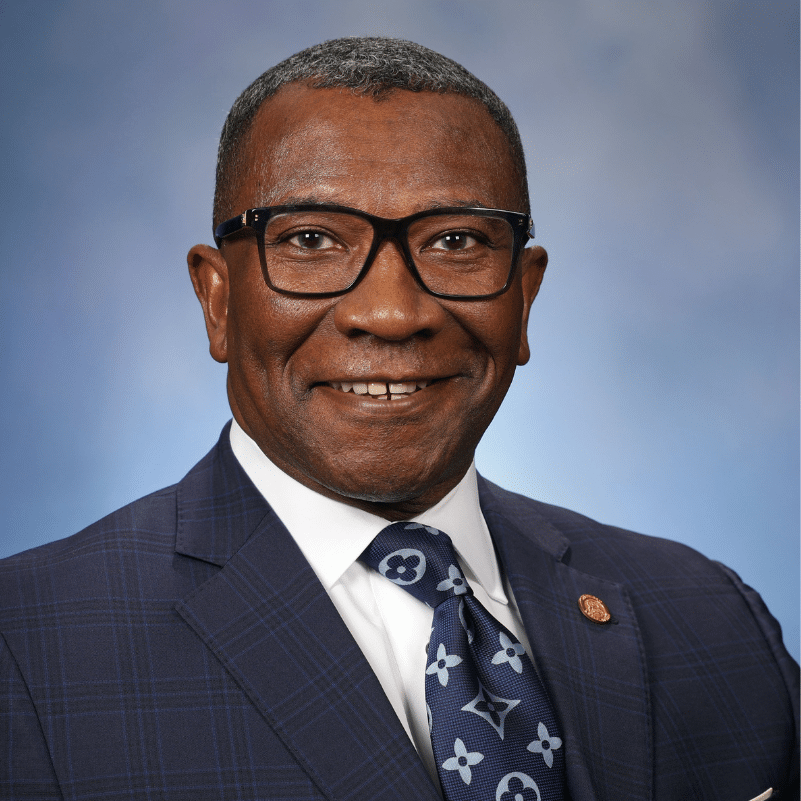
Amos O'Neal
100% support rate
Top opponent
Lana Theis
27% support rate
Ranked legislators
10
5 support · 5 oppose
Key legislators

Who's moving criminal justice in Michigan

Legislators moving criminal justice in Michigan
Legislator Party Stance Support rate Votes
Amos O'Neal
Amos O'Neal House · District 94
D
Strong +
100% 18
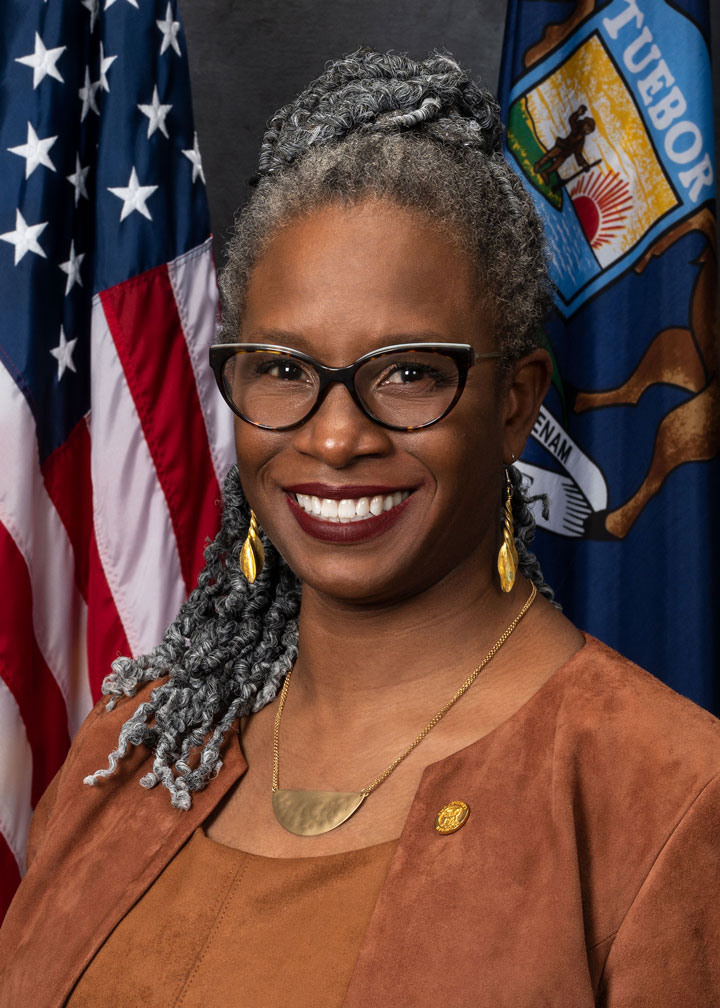
Erika Geiss
Erika Geiss Senate · District 1
D
Support
77% 43
Jeremy Moss
Jeremy Moss Senate · District 7
D
Support
73% 48
Veronica Klinefelt
Veronica Klinefelt Senate · District 11
D
Support
73% 48
Sarah Anthony
Sarah Anthony Senate · District 21
D
Support
73% 48
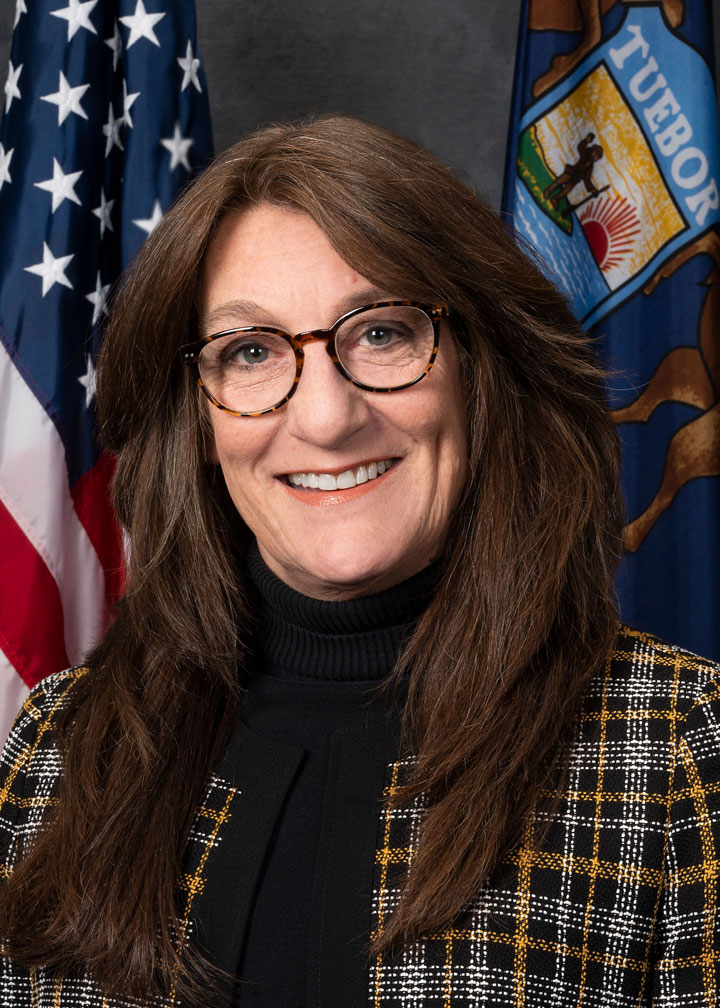
Lana Theis
Lana Theis Senate · District 22
R
Oppose
27% 43
Thomas Albert
Thomas Albert Senate · District 18
R
Oppose
27% 48
Michele Hoitenga
Michele Hoitenga Senate · District 36
R
Oppose
27% 48
Jonathan Lindsey
Jonathan Lindsey Senate · District 17
R
Oppose
27% 47
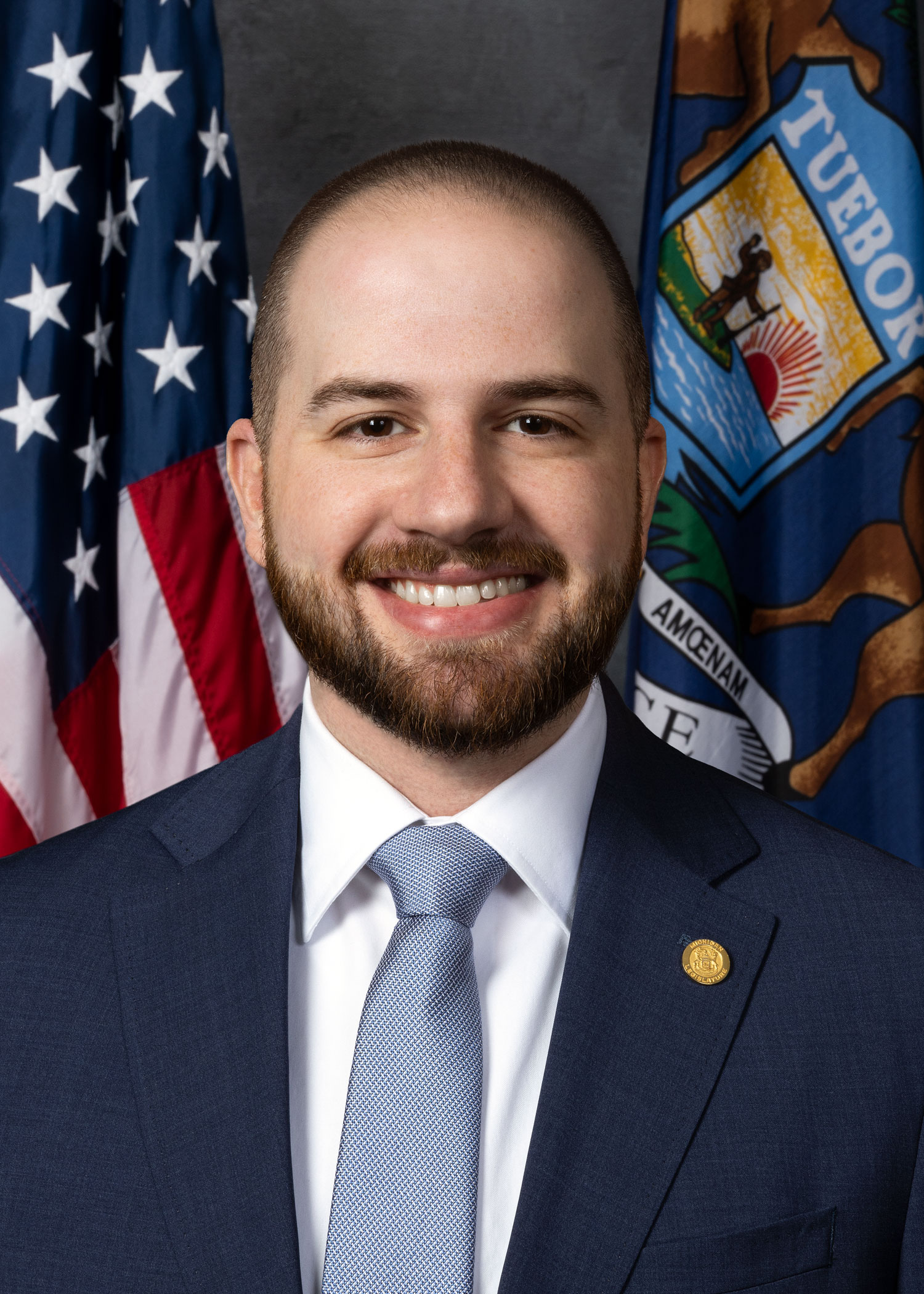
Jon Bumstead
Jon Bumstead Senate · District 32
R
Oppose
29% 44
Showing 191–200 of 337 bills

All criminal justice bills

passed · Michigan · House May 1, 2025

HR 80: A resolution to declare May 2025 as Treatment Court Month in the state of Michigan.

House Resolution 80 declares May 2025 as Treatment Court Month in the state of Michigan. This resolution recognizes the role of treatment courts in justice reform and their impact on individuals and communities across Michigan.
Sub-Topics Courts
passed both · Michigan · House Mar 24, 2026

HB 4414: Criminal procedure: mental capacity; outpatient treatment for misdemeanor offenders with mental health issues; provide for. Amends 1974 PA 258 (MCL 330.1001 - 330.2106) by adding sec. 1021 & ch. 10A. TIE BAR WITH: HB 4412'25

House Bill 4414 establishes a process to divert individuals charged with misdemeanor offenses who have mental health issues into assisted outpatient treatment. This diversion can be initiated by motion from the prosecuting attorney, defendant, or defense counsel, and requires agreement from all parties to proceed. If diverted, a court can order assisted outpatient treatment for up to 180 days. The misdemeanor charges remain pending but are dismissed after 90 days (or 180 days for serious misdemeanors) once the treatment order is entered, and non-compliance with treatment is handled through civil proceedings.
Sub-Topics Mental Health
in committee · Michigan · House May 8, 2025

HB 4465: Criminal procedure: arrests; required removal of religious head coverings for police photographs; prohibit. Amends 1927 PA 175 (MCL 760.1 - 777.69) by adding sec. 25c to ch. IV.

House Bill 4465 amends Michigan's criminal procedure to establish guidelines for taking booking photographs of individuals wearing religious garb during an arrest. It requires law enforcement to make reasonable efforts to provide a same-sex officer or staff member and a private setting for the removal of religious head coverings for photographs, if requested due to sincerely held religious beliefs. The bill outlines specific photo procedures, including taking pictures with and without certain coverings, primarily for identification. Photos taken without religious garb are generally confidential but may be used for specific law enforcement, investigative, or legal purposes. Additionally, it ensures replacement religious garb is provided for individuals not immediately released.
Sub-Topics Policing
in committee · Michigan · House Jun 4, 2025

HB 4532: Crimes: assaultive; crime of assaulting a person performing job-related duties; expand to include health professionals. Amends secs. 81, 81a & 81d of 1931 PA 328 (MCL 750.81 et seq.). TIE BAR WITH: HB 4534'25, HB 4535'25

HB 4532 expands Michigan's assault laws to specifically protect health professionals and medical volunteers who are assaulted while performing job duties. The bill increases fines for such assaults from $500 to $1,000 (for non-patient offenders) and requires health facilities to post clear notices about this penalty. It excludes patients receiving treatment from the enhanced fine but still allows prosecution for patient assaults. This directly affects doctors, nurses, and volunteers working in healthcare settings during their professional duties.
Sub-Topics Violent Crime
in committee · Michigan · House Jun 4, 2025

HB 4534: Criminal procedure: mental capacity; assisted outpatient treatment diversion program for certain patients with mental illness; provide for. Amends sec. 461 of 1974 PA 258 (MCL 330.1461) & adds sec. 1021 & ch. 10A. TIE BAR WITH: HB 4532'25, HB 4533'25, HB 4535'25

HB 4534 creates a diversion program allowing misdemeanor defendants with mental illness to receive outpatient treatment instead of criminal prosecution for certain offenses, including crimes against health professionals (MCL 750.81d). It requires a court assessment by a qualified health professional to determine eligibility, after which the defendant may be diverted into up to 90 days of outpatient treatment for standard misdemeanors or 180 days for "serious misdemeanors." Charges remain pending but must be dismissed 90 or 180 days after the treatment order, unless the defendant fails to comply with the treatment plan, which triggers civil proceedings under existing mental health code sections. The program directly affects defendants facing misdemeanor charges who meet clinical criteria for mental health treatment diversion.
in committee · Michigan · House Jun 11, 2025

HB 4600: Crimes: terrorism; making terrorist threat or false report of terrorism; modify. Amends sec. 543m of 1931 PA 328 (MCL 750.543m).

HB 4600 amends Michigan's law on terrorism threats and false reports, specifically modifying Section 543m of the Penal Code. The bill clarifies that making a threat of terrorism (even without intent to carry it out) or knowingly reporting a false terrorism incident can be prosecuted as a felony. It removes the defense that a defendant lacked the intent or capability to commit the threatened act. This law directly affects individuals who make threatening communications about terrorism or falsely report terrorism incidents, with penalties including up to 20 years in prison or a $20,000 fine. The bill was introduced on June 10, 2025, and referred to the Judiciary Committee.
Sub-Topics Corrections
in committee · Michigan · House Jun 18, 2025

HB 4661: Law enforcement: communications; crime victim communication modernization act; create. Creates new act. TIE BAR WITH: HB 4662'25

HB 4661 creates a grant program to help Michigan law enforcement agencies modernize communication with crime victims using text messages, emails, and multilingual support. It requires agencies to provide automated updates (like arrest notifications or case status changes) without requiring victims to download apps or create accounts. The bill establishes a fund to distribute grant money to state/local agencies, law enforcement, or local governments that meet specific standards for transparent, efficient communication. These standards include real-time notifications, community feedback tools, and multilingual messaging options accessible through simple email or text. The law directly affects crime victims receiving updates and agencies managing victim communication systems.
Sub-Topics Victims' Rights
in committee · Michigan · House Jun 18, 2025

HB 4662: Crime victims: notices; notification to crime victims utilizing other communication technology under the crime victim communication modernization act; provide for. Amends 1985 PA 87 (MCL 780.751 - 780.834) by adding sec. 3a. TIE BAR WITH: HB 4661'25

HB 4662 allows Michigan courts, law enforcement, and other agencies to send crime victim notices (like case updates) via email or text message, in addition to traditional mail, when victims consent and provide contact details. Agencies must follow state communication standards and cannot use electronic notices if a victim has opted out. This update to the Crime Victim's Rights Act modernizes notification methods while ensuring victims retain full control over how they receive information. It directly affects crime victims in Michigan whose cases involve these notification processes.
Sub-Topics Victims' Rights
in committee · Michigan · Senate May 29, 2025

SB 339: Law enforcement: records; law enforcement officer separation of service record act; revise. Amends secs. 1, 2, 3 & 5 of 2017 PA 128 (MCL 28.561 et seq.); designates secs. 1 & 2 as art 1 & secs. 3 - 5 as art. 2 & adds arts. 3 & 4.

SB 339 creates a standardized "separation of service record" that Michigan law enforcement agencies must maintain when officers leave their positions. It requires agencies to document the reason for separation and any active disciplinary investigations within one year of departure, finalize the record within 5 business days, and provide written notice to the officer. Officers can review the record, request corrections within 7 days, or submit a written statement disagreeing with inaccuracies if unresolved. This directly affects current and former law enforcement officers transitioning between agencies and their employers, ensuring transparency in separation documentation. The bill amends Michigan's existing law enforcement standards act to formalize these procedures.
Sub-Topics Law Enforcement
passed · Michigan · Senate Jun 10, 2025

SB 156: Legislature: legislative agencies; office of legislative corrections ombudsman; expand powers and duties. Amends secs. 1, 4, 5, 7, 11, 12, 13 & 14 of 1975 PA 46 (MCL 4.351 et seq.).

SB 156 expands the authority of Michigan's Office of the Legislative Corrections Ombudsman to investigate complaints about the Department of Corrections. The bill requires the ombudsman to create a standardized complaint form (available online and in correctional facilities) and grants access to department records - including prisoner medical, mental health, and mortality records - without needing a release. It also allows the ombudsman to enter correctional facilities for inspections at any time (including emergencies like riots), consult with qualified experts after background checks, and hold informal hearings. This directly affects prisoners, their family members, prisoner advocates, and the Department of Corrections by strengthening oversight of correctional operations.
Showing 191 to 200 of 337 bills
Previous 1 19 20 21 34 Next