Issue · Criminal Justice

Criminal Justice (Drug Policy)

Every criminal justice bill, vote, and legislator stance in Michigan, automatically classified by Maddy, our AI policy reader.

Total bills
26
2025-2026 Regular Session
Top supporter
Betsy Coffia
100% support rate
Top opponent
Pat Outman
0% support rate
Ranked legislators
10
5 support · 5 oppose
Key legislators

Who's moving drug policy in Michigan

Legislators moving drug policy in Michigan
Legislator Party Stance Support rate Votes
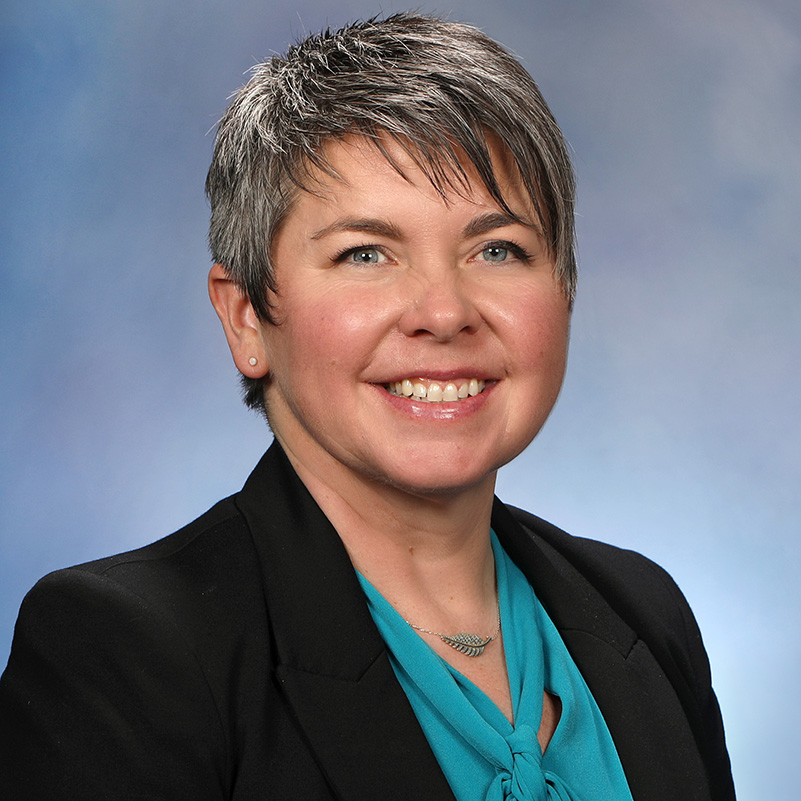
Betsy Coffia
Betsy Coffia House · District 103
D
Strong +
100% 4
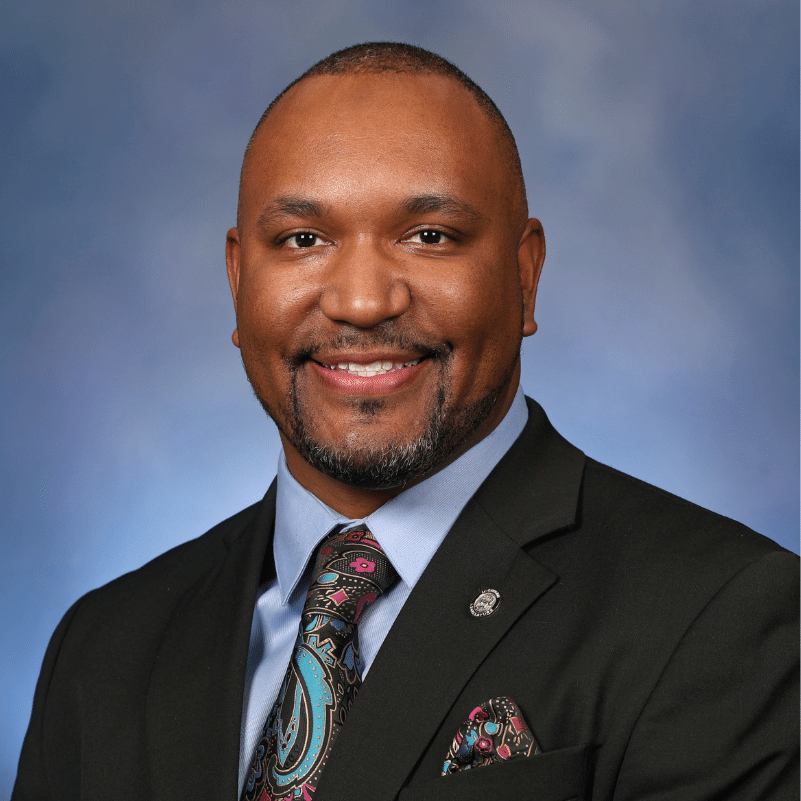
Jimmie Wilson
Jimmie Wilson House · District 32
D
Strong +
100% 4
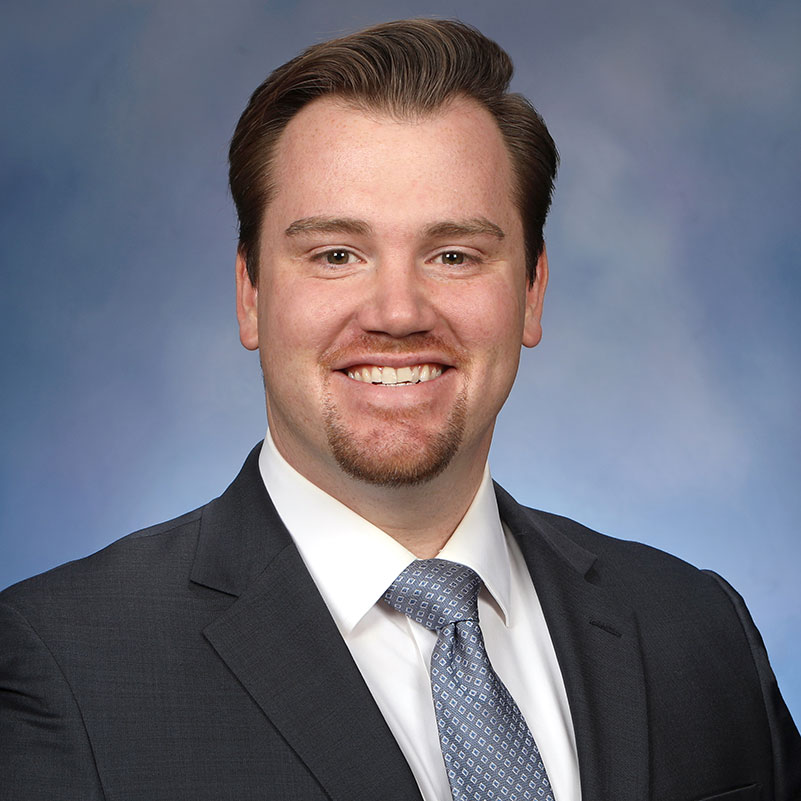
Joey Andrews
Joey Andrews House · District 38
D
Strong +
100% 4
John Fitzgerald
John Fitzgerald House · District 83
D
Strong +
100% 4
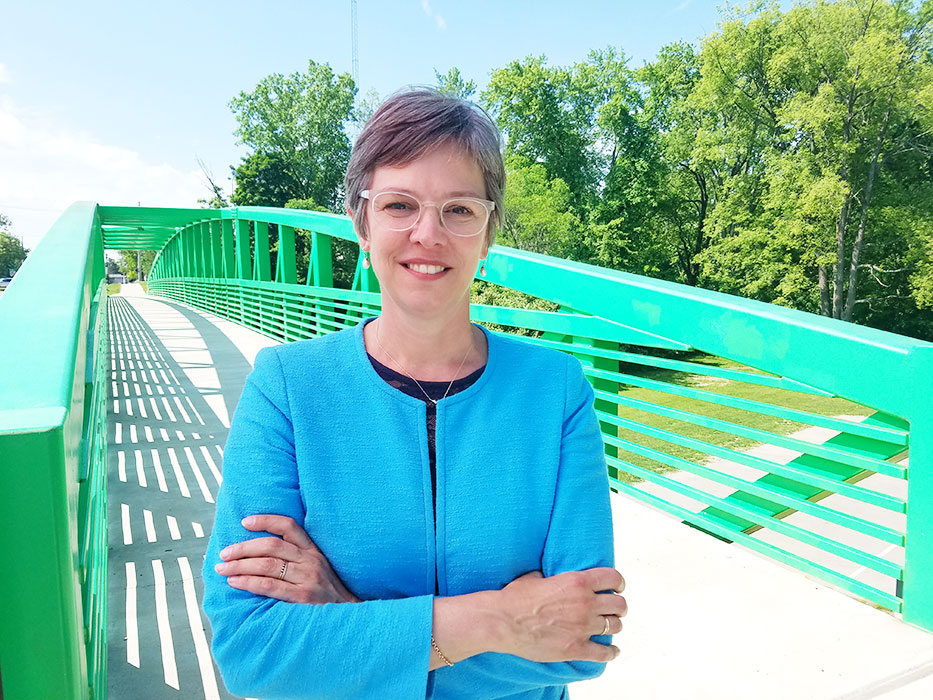
Julie Brixie
Julie Brixie House · District 73
D
Strong +
100% 4
Pat Outman
Pat Outman House · District 91
R
Strong −
0% 5
Rick Outman
Rick Outman Senate · District 33
R
Strong −
0% 5
Alicia St. Germaine
Alicia St. Germaine House · District 62
R
Strong −
0% 4
Angela Rigas
Angela Rigas House · District 79
R
Strong −
0% 4
Ann Bollin
Ann Bollin House · District 49
R
Strong −
0% 4
Showing 11–20 of 26 bills

All criminal justice bills

in committee · Michigan · Senate Mar 5, 2025

SB 121: Weapons: firearms; enforcement of federal limitation on firearms; prohibit. Creates new act.

SB 121 prohibits Michigan state and local government employees from enforcing specific federal firearm regulations, including those requiring registration of firearms or ammunition, imposing firearm-specific taxes, banning possession, or ordering confiscation. It makes such federal laws unenforceable within Michigan and imposes $10,000 fines per violation on state employees who enforce them or political subdivisions that employ such individuals. The bill also allows individuals harmed by these enforcement attempts to seek court injunctions and recover attorney fees. It directly affects state agencies, local governments, and employees who might otherwise comply with federal firearm rules. The bill is currently pending in the Civil Rights, Judiciary, and Public Safety committee.
in committee · Michigan · House May 20, 2025

HB 4498: Health: other; syringe service programs; provide for. Amends secs. 7401, 7403, 7453 & 7457 of 1978 PA 368 (MCL 333.7401 et seq.) & adds sec. 5137.

House Bill 4498 proposes to amend Michigan's Public Health Code to allow the Department of Health or local government agencies to authorize and establish "needle and hypodermic syringe access programs." These programs aim to reduce the spread of communicable diseases by providing sterile needles and syringes, as well as other related items. Individuals participating in these authorized programs would be exempt from criminal penalties for possessing or distributing needles, syringes, drug paraphernalia, trace amounts of controlled substances in used equipment, or drug testing equipment. The bill amends sections 7401 and 7403 of the Public Health Code to incorporate these new exemptions.
passed both · Michigan · House Apr 29, 2025

HB 4255: Crimes: controlled substances; crime of manufacturing, delivering, or possession of with intent to deliver certain controlled substances; modify penalties. Amends secs. 7401, 7410 & 7417 of 1978 PA 368 (MCL 333.7401 et seq.) & adds secs. 7410b & 7417a.

House Bill 4255 modifies the penalties for crimes involving the manufacturing, delivery, or possession with intent to deliver certain controlled substances. It specifically amends sections of the Public Health Code to introduce new sentencing guidelines. The bill establishes distinct and often stricter penalties, including mandatory minimum prison sentences and higher maximum fines, for offenses involving heroin, fentanyl, carfentanil, or their derivatives. These enhanced penalties differentiate these substances from other controlled substances within similar weight classifications.
Sub-Topics Drug Policy Sentencing
in committee · Michigan · Senate Jun 26, 2025

SB 460: Crimes: controlled substances; crime of manufacturing, creating, delivering, or possessing with intent certain schedule 1 and 2 controlled substances; modify penalties. Amends sec. 7401 of 1978 PA 368 (MCL 333.7401).

SB 460 modifies Michigan's penalties for manufacturing, delivering, or possessing with intent to deliver certain controlled substances, primarily targeting Schedule 1 and 2 drugs (like narcotics and fentanyl derivatives). It establishes tiered penalties based on the substance's danger and quantity - for example, 1,000 grams or more of fentanyl or heroin now carries a potential life sentence or $1 million fine, while smaller amounts face reduced but still severe penalties. This directly affects individuals convicted of drug offenses under Michigan law, with specific provisions for fentanyl-related crimes and adjustments to prior sentencing structures.
Sub-Topics Drug Policy Sentencing
in committee · Michigan · House Mar 6, 2025

HB 4166: Crimes: drugs; illicit use of xylazine; prohibit, and provide penalties. Amends secs. 7103, 7105, 7106, 7401, 7403, 7403a, 7451, 7453 & 7455 of 1978 PA 368 (MCL 333.7103 et seq.).

HB 4166 prohibits the non-medical use of xylazine (a sedative sometimes mixed with drugs like fentanyl) in Michigan. It defines "illicit use" as any xylazine use not covered under "licit use," which includes legal veterinary applications, pharmaceutical manufacturing, or approved medical treatments. The bill amends Michigan's Public Health Code to make possessing or using xylazine for non-licensed purposes a felony, with penalties ranging from up to 20 years in prison or fines up to $1 million depending on the amount. This directly affects individuals using xylazine outside approved medical or veterinary contexts, aligning penalties with those for other controlled substances like opioids.
Sub-Topics Drug Policy
in committee · Michigan · House May 21, 2026

HB 5107: Marihuana: penalties and remedies; marihuana for personal use and possession; modify allowable amounts of. Amends secs. 5 & 15 of 2018 IL 1 (MCL 333.27955 & 333.27965). TIE BAR WITH: HB 5105'25

HB 5107 amends Michigan's marijuana laws to adjust possession and cultivation limits for adults 21+ and modify penalties for exceeding those limits. It increases personal possession from 2.5 ounces to 10 ounces at home, allows up to 12 plants for personal cultivation, and permits 2.5 ounces of concentrate. For minor excesses (e.g., possessing 2-5 ounces instead of 2.5 ounces), the bill changes penalties from criminal charges to civil fines (up to $500 for second offenses), avoiding jail time for first-time violations. The changes apply directly to Michigan residents 21+ who use or cultivate marijuana within the new limits.
Sub-Topics Drug Policy
in committee · Michigan · Senate Oct 29, 2025

SB 430: Crimes: controlled substances; crime of manufacturing, delivering, or possession of with intent to deliver heroin or fentanyl; modify to reflect changes in sentencing guidelines. Amends sec. 7401 of 1978 PA 368 (MCL 333.7401).

SB 430 updates Michigan's sentencing for drug offenses involving heroin and fentanyl. It specifically increases penalties for these substances by setting life imprisonment as the maximum sentence for possessing 1,000 grams or more of heroin, fentanyl, or their derivatives - previously capped at 30 years for other drugs. The bill maintains lower penalties for smaller amounts (e.g., 50-450 grams carries up to 20 years) and for other controlled substances not listed in the enhanced provisions. This directly affects individuals convicted of manufacturing, delivering, or possessing these specific drugs with intent to distribute. The changes align sentencing for heroin/fentanyl with the most severe penalties under existing law, reflecting updated guidelines for these dangerous opioids.
Sub-Topics Drug Policy Sentencing
passed both · Michigan · House Mar 17, 2026

HB 5157: Crimes: penalties; delivery of controlled substance causing serious injury; provide penalties. Amends 1931 PA 328 (MCL 750.1 - 750.568) by adding sec. 89a.

This bill creates a new felony offense for delivering Schedule 1 or 2 controlled substances (excluding marijuana) that causes serious injury. It defines "serious injury" as permanent disfigurement, loss of body function (like a limb or eye), coma lasting over 3 days, or measurable brain impairment. Violators face life imprisonment or any prison term. The law applies to people who illegally provide these drugs when the substance causes harm to the user or others.
Sub-Topics Drug Policy
in committee · Michigan · Senate Oct 30, 2025

SB 628: Human services: medical services; coverage for syringe service programs; provide for. Amends 1939 PA 280 (MCL 400.1 - 400.119b) by adding sec. 109t.

SB 628 requires Michigan's medical assistance program (Medicaid) to cover syringe service programs, which provide clean needles, disposal containers, and other harm reduction supplies to people who inject drugs. This directly affects individuals who use injection drugs by expanding access to safer equipment, and it affects the state's Medicaid program by mandating coverage for these services. The bill defines "syringe service programs" as harm reduction initiatives offering supplies like needles, cookers, and sharps disposal containers. It does not change eligibility for Medicaid but ensures these specific harm reduction services are funded under existing medical assistance.
in committee · Michigan · Senate Oct 30, 2025

SB 629: Health: other; syringe service programs; provide for. Amends secs. 7401, 7403, 7453 & 7457 of 1978 PA 368 (MCL 333.7401 et seq.) & adds sec. 5137.

SB 629 creates a legal framework for needle and syringe access programs in Michigan to reduce the spread of communicable diseases like HIV and hepatitis. It allows authorized programs (run by health departments or local agencies) to distribute sterile needles/syringes and provide related services. Participants in these programs are exempt from criminal penalties under existing laws for possessing needles, trace amounts of drugs in used equipment, or drug testing supplies. The bill directly affects people who use injection drugs, local health programs, and law enforcement by clarifying that program participation does not violate drug possession or paraphernalia laws.
Showing 11 to 20 of 26 bills