Issue · Criminal Justice

Criminal Justice (Sentencing)

Every criminal justice bill, vote, and legislator stance in Michigan, automatically classified by Maddy, our AI policy reader.

Total bills
35
2025-2026 Regular Session
Top supporter
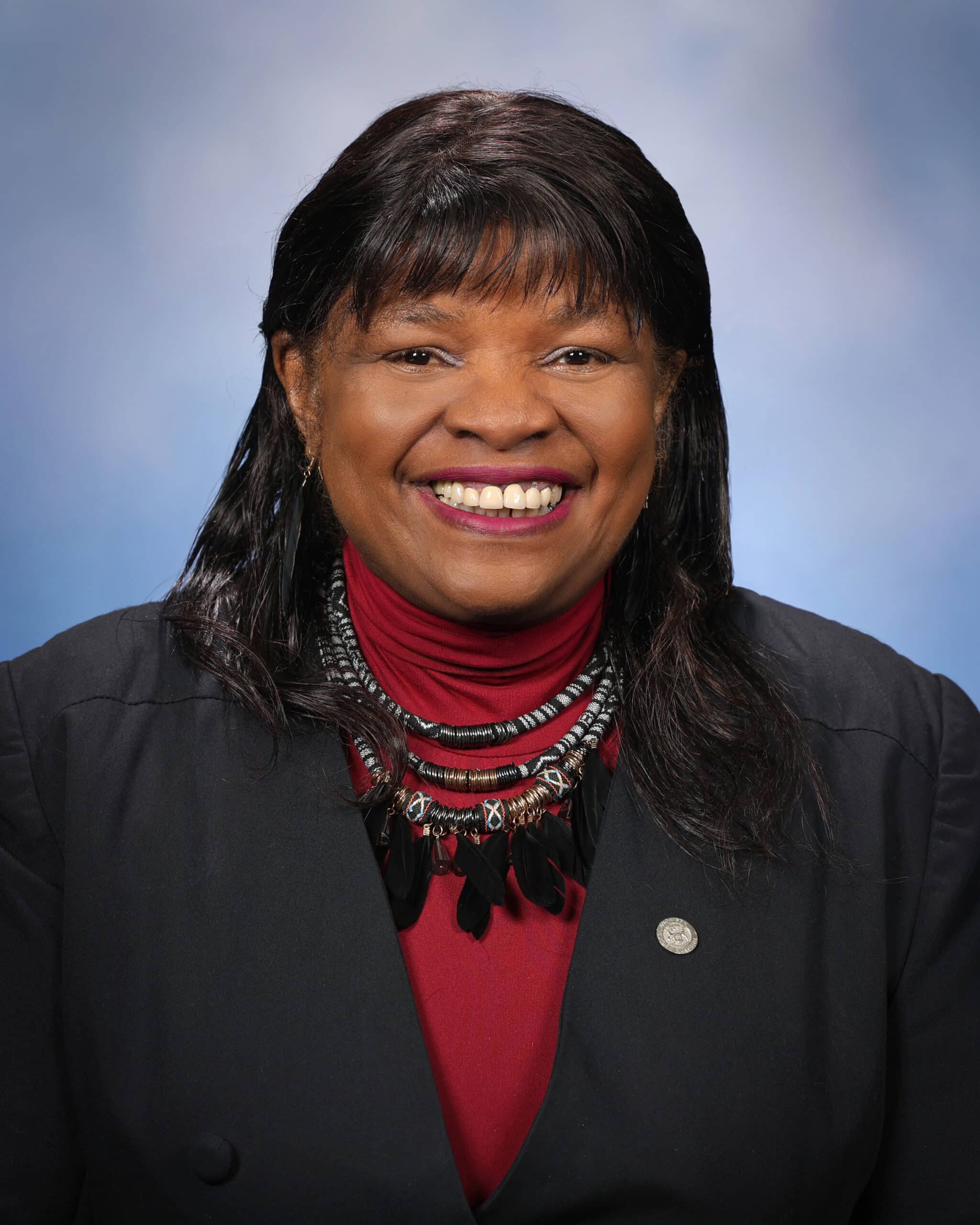
Brenda Carter
83% support rate
Top opponent
Denise Mentzer
30% support rate
Ranked legislators
10
5 support · 5 oppose
Key legislators

Who's moving sentencing in Michigan

Legislators moving sentencing in Michigan
Legislator Party Stance Support rate Votes
Brenda Carter
Brenda Carter House · District 53
D
Strong +
83% 6
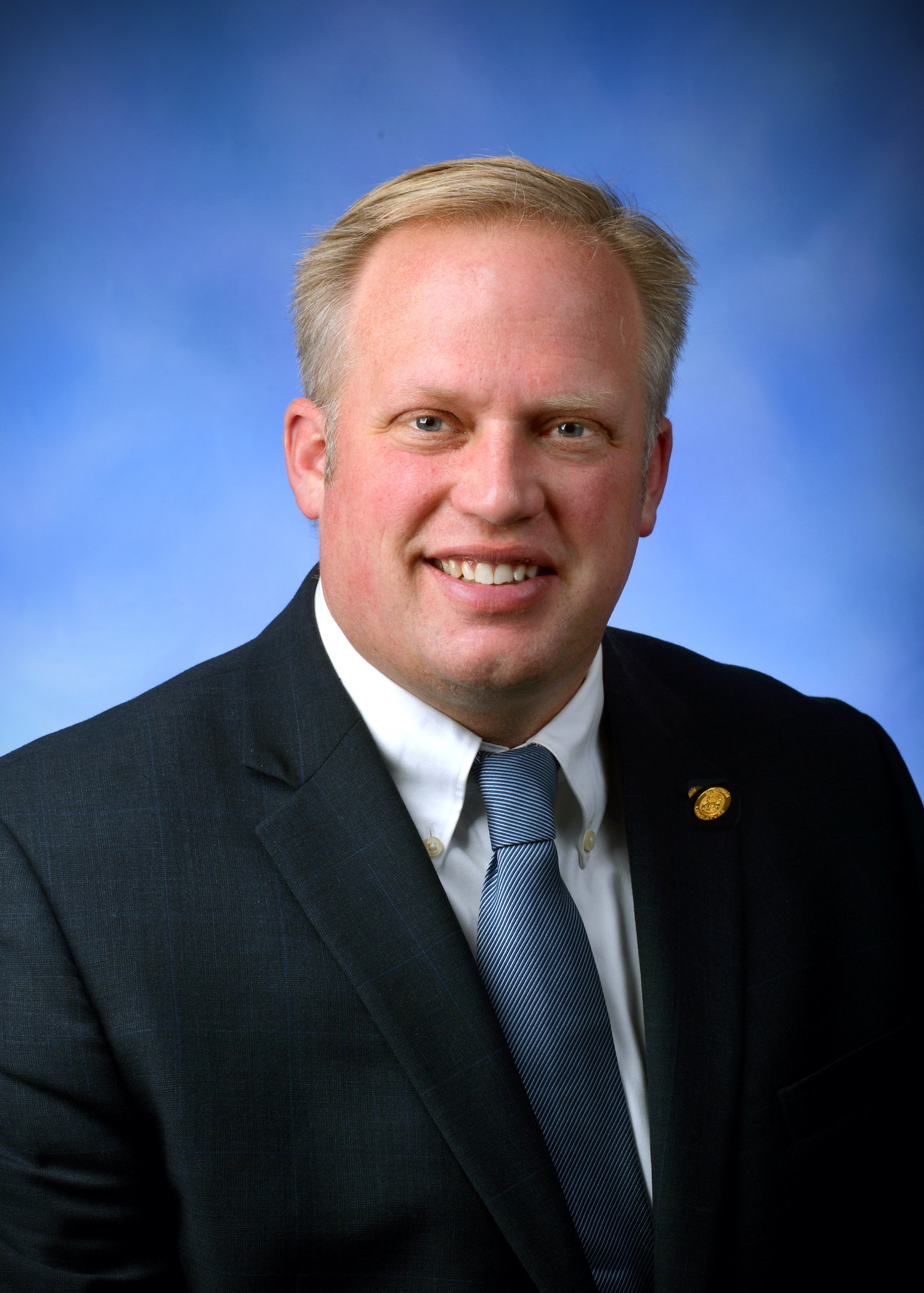
Luke Meerman
Luke Meerman House · District 89
R
Support
78% 9
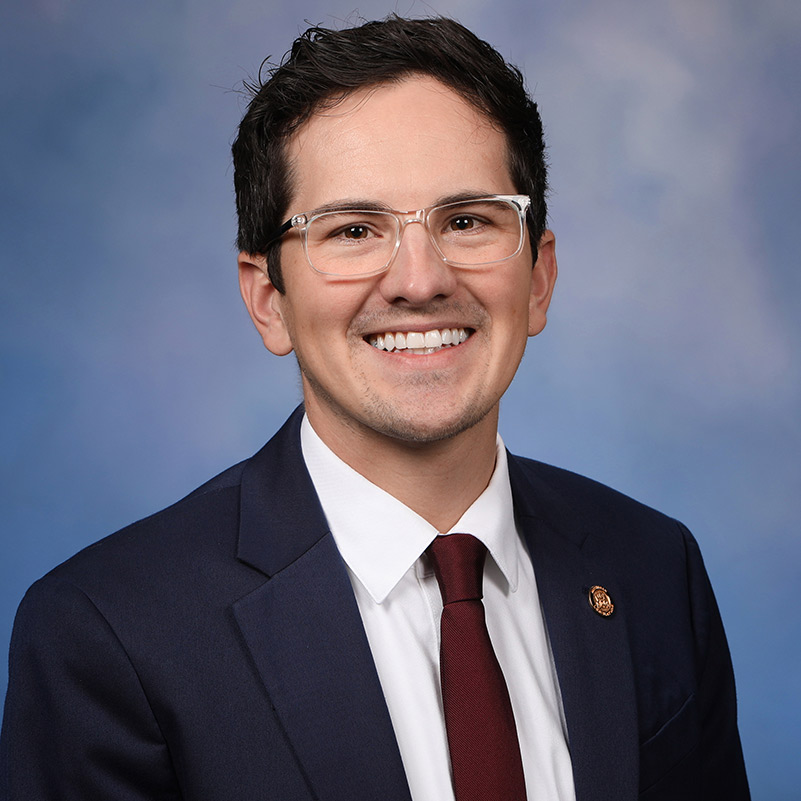
Joey Andrews
Joey Andrews House · District 38
D
Support
75% 8
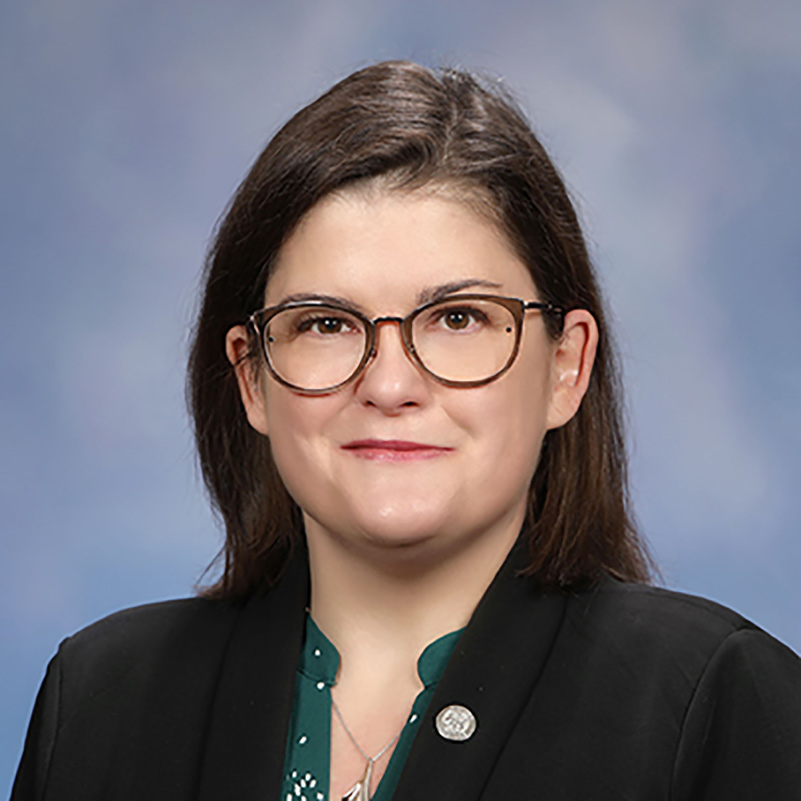
Veronica Paiz
Veronica Paiz House · District 10
D
Support
75% 8
Jason Morgan
Jason Morgan House · District 23
D
Support
71% 7
Denise Mentzer
Denise Mentzer House · District 61
D
Oppose
30% 10
Mai Xiong
Mai Xiong House · District 13
D
Oppose
30% 10
Joseph Fox
Joseph Fox House · District 101
R
Oppose
33% 9
Kara Hope
Kara Hope House · District 74
D
Oppose
33% 9
Kristian Grant
Kristian Grant House · District 82
D
Oppose
33% 6
Showing 11–20 of 35 bills

All criminal justice bills

in committee · Michigan · House Apr 30, 2026

HB 5914: Criminal procedure: sentencing; mandatory sentencing for certain crimes in the public health code; require. Amends (See bill).

HB 5914 amends Michigan's Public Health Code to update mandatory sentencing guidelines for various drug-related offenses. The bill establishes specific prison terms and fines for manufacturing, distributing, or possessing controlled substances, with penalties varying by drug type and quantity. It also criminalizes the solicitation of ephedrine or pseudoephedrine for illegal methamphetamine production and prohibits providing equipment or locations for drug manufacturing. These changes directly affect individuals charged with violations of the state's public health and criminal laws.
in committee · Michigan · House Apr 30, 2026

HB 5916: Criminal procedure: sentencing; mandatory sentencing for certain crimes in the revised judicature act; require. Amends sec. 2950 of 1961 PA 236 (MCL 600.2950).

HB 5916 amends Michigan's Revised Judicature Act to update the legal age threshold for criminal contempt penalties associated with violating personal protection orders. The bill changes the age requirement from 17 to 18 years old, meaning individuals aged 18 and older who violate such orders face immediate arrest and potential felony charges with a maximum prison sentence of 181 days and a fine of up to $500. This change directly affects adults who are subject to restraining orders and law enforcement officers who enforce them. The amendment clarifies sentencing guidelines for adult respondents while maintaining existing protections for minors.
in committee · Michigan · Senate Apr 16, 2026

SB 902: Criminal procedure: probation; probation for certain criminal sexual conduct violations; prohibit. Amends sec. 1, ch. XI of 1927 PA 175 (MCL 771.1).

SB 902 modifies Michigan's criminal procedure laws by establishing a mandatory supervision fee for individuals placed on probation after a sentence is delayed. Specifically, the bill requires courts to order a fee of $30 per month, or $60 per month if electronic monitoring is used, for up to 12 months of delay. This fee is collected by the Department of Corrections and is intended to cover supervision costs while the defendant awaits final sentencing. The legislation applies to adults facing various felony and misdemeanor charges but excludes juveniles and allows courts to waive the fee for indigent defendants.
in committee · Michigan · House Apr 30, 2026

HB 5907: Criminal procedure: sentencing; mandatory sentencing for certain crimes in the vehicle code; require. Amends secs. 601b, 602a, 617 & 625 of 1949 PA 300 (MCL 257.601b et seq.).

This bill amends the Michigan Vehicle Code to increase penalties for traffic violations occurring in work zones, school zones, and school bus zones. It mandates that fines for moving violations in these areas be doubled and elevates offenses causing injury or death to misdemeanors or felonies, respectively. Additionally, the legislation adjusts sentencing guidelines for fleeing and eluding police, making penalties more severe based on factors like prior convictions and the severity of the outcome. The changes also clarify definitions for emergency scenes and school bus zones to ensure consistent application of these stricter rules.
in committee · Michigan · House Apr 30, 2026

HB 5908: Criminal procedure: sentencing; mandatory sentencing for certain crimes in the riots act; require. Amends sec. 4 of 1968 PA 302 (MCL 752.544).

HB 5908 amends Michigan's existing riot laws to establish mandatory minimum sentences for specific criminal acts. The bill requires that anyone convicted of violating certain sections of the Riot Act must receive a prison term of at least 10 years, while other related offenses carry a maximum sentence of five years. This legislation directly impacts individuals charged with rioting and related crimes by ensuring they face a set minimum punishment rather than a judge's discretion. The changes take effect 90 days after the bill is officially signed into law.
in committee · Michigan · House Mar 11, 2026

HB 5703: Criminal procedure: sentencing guidelines; sentencing guidelines for injuring or causing death to individual in a work zone; provide for. Amends sec. 12e, ch. XVII of 1927 PA 175 (MCL 777.12e). TIE BAR WITH: HB 5702'26, HB 5704'26

This bill proposes changes to Michigan's sentencing guidelines for crimes that result in injury or death within work zones. It directly affects prosecutors, judges, and defendants involved in such cases by modifying how sentences are calculated under existing criminal procedure law. The amendment to section 12e of the Code of Criminal Procedure would update the statutory framework governing these specific offenses. The bill is tied with related legislation HB 5702 and HB 5704, indicating coordinated legislative action on sentencing policy.
Sub-Topics Sentencing
passed · Michigan · House May 12, 2026

HB 5320: Criminal procedure: sentencing guidelines; sentencing guidelines for flying over or trespassing on a key facility or critical infrastructure with an unmanned aircraft or vehicle; provide for. Amends 16b, ch. XVII of 1927 PA 175 (MCL 777.16b). TIE BAR WITH: HB 5319'25

HB 5320 amends Michigan's criminal sentencing guidelines to specifically address unauthorized drone flights over or trespassing on critical infrastructure, such as power plants or bridges. It would establish new sentencing standards for individuals operating unmanned aircraft or vehicles near these facilities, directly affecting drone operators who violate these restrictions. The bill modifies Section 16b of the Michigan Code of Criminal Procedure (MCL 777.16b) to create clear penalties for such offenses, moving beyond general trespass laws. This change aims to strengthen legal consequences for drone-related threats to public safety infrastructure.
in committee · Michigan · Senate Mar 25, 2026

SB 737: Corrections: parole; certain parole terms; amend. Amends sec. 34 of 1953 PA 232 (MCL 791. 234).

SB 737 changes parole eligibility rules for Michigan prisoners serving life sentences who do not fall under automatic exclusion (e.g., murder convictions). It requires these prisoners to serve 10 years (for crimes committed before October 1, 1992) or 15 years (for crimes on or after that date) before becoming eligible for parole consideration. The bill also adds new procedures: annual parole board interviews after 10 years, file reviews at 15 years and every 5 years thereafter, and mandatory public hearings with parole board. These changes apply to life-sentence prisoners not covered by existing exceptions in Section 34(6) of Michigan’s Corrections Code.
passed both · Michigan · House Apr 29, 2025

HB 4255: Crimes: controlled substances; crime of manufacturing, delivering, or possession of with intent to deliver certain controlled substances; modify penalties. Amends secs. 7401, 7410 & 7417 of 1978 PA 368 (MCL 333.7401 et seq.) & adds secs. 7410b & 7417a.

House Bill 4255 modifies the penalties for crimes involving the manufacturing, delivery, or possession with intent to deliver certain controlled substances. It specifically amends sections of the Public Health Code to introduce new sentencing guidelines. The bill establishes distinct and often stricter penalties, including mandatory minimum prison sentences and higher maximum fines, for offenses involving heroin, fentanyl, carfentanil, or their derivatives. These enhanced penalties differentiate these substances from other controlled substances within similar weight classifications.
Sub-Topics Drug Policy Sentencing
in committee · Michigan · Senate Jun 26, 2025

SB 460: Crimes: controlled substances; crime of manufacturing, creating, delivering, or possessing with intent certain schedule 1 and 2 controlled substances; modify penalties. Amends sec. 7401 of 1978 PA 368 (MCL 333.7401).

SB 460 modifies Michigan's penalties for manufacturing, delivering, or possessing with intent to deliver certain controlled substances, primarily targeting Schedule 1 and 2 drugs (like narcotics and fentanyl derivatives). It establishes tiered penalties based on the substance's danger and quantity - for example, 1,000 grams or more of fentanyl or heroin now carries a potential life sentence or $1 million fine, while smaller amounts face reduced but still severe penalties. This directly affects individuals convicted of drug offenses under Michigan law, with specific provisions for fentanyl-related crimes and adjustments to prior sentencing structures.
Sub-Topics Drug Policy Sentencing
Showing 11 to 20 of 35 bills
Previous 1 2 3 4 Next