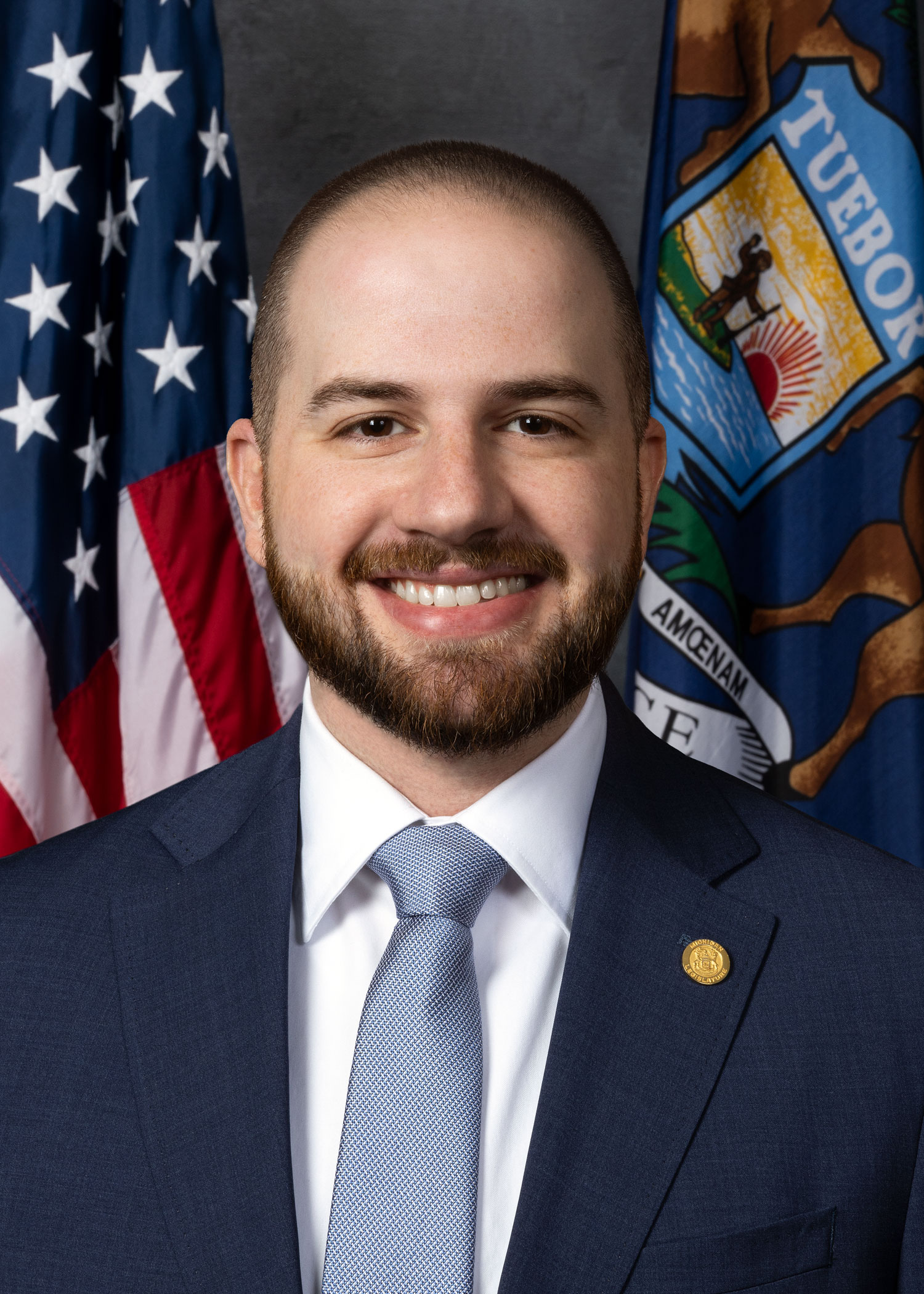
HB 5911 amends Michigan's Identity Theft Protection Act to establish mandatory minimum prison sentences for repeat offenders who commit identity theft crimes. Specifically, the bill requires a minimum of 10 years in prison for a third or subsequent violation of the act and a minimum of 2 years and 6 months for certain violations involving specific types of data breaches. These sentencing rules apply regardless of whether the victim is alive or deceased at the time of the crime and allow courts to order prison terms to be served consecutively with other related convictions. The legislation also clarifies that these mandatory sentences do not apply to violations of state or federal regulations governing financial institutions and insurance.
This bill proposes to increase the mandatory minimum prison sentence for individuals convicted of conspiring to defraud the state of Michigan by submitting false Medicaid claims. Under the current law, such offenses are felonies punishable by up to 10 years in prison or a fine of up to $50,000, but this legislation would require a minimum sentence of 2 years and 6 months for anyone found guilty. The change directly affects healthcare providers, billing companies, and other entities or individuals involved in submitting false claims for Medicaid reimbursement. If passed, the amendment would take effect 90 days after it is signed into law.
HB 5913 strengthens Michigan's existing laws against contraband in prisons by establishing mandatory minimum sentences for specific violations. The bill directly affects anyone who sells, gives, or furnishes weapons, drugs, or wireless communication devices to prisoners, as well as prisoners who possess these items. Under the new provisions, bringing weapons or drugs into a correctional facility carries a mandatory minimum prison sentence of one year, while possessing weapons inside a facility mandates a minimum of 15 years in prison. Additionally, the bill requires that confiscated but functional cell phones be donated to charities supporting military personnel rather than being destroyed. These changes aim to increase penalties for individuals who facilitate the entry of prohibited items into correctional facilities.
This bill amends Michigan's Social Welfare Act to impose mandatory prison sentences for individuals who commit fraud to obtain government assistance or for those who knowingly fail to report required financial information. Under the new provisions, anyone convicted of obtaining relief through false statements or hiding income would face a fixed sentence of between 2.5 and 4 years in prison, regardless of the specific amount involved. The legislation also mandates that employees of social welfare agencies who authorize relief for ineligible individuals be removed from their positions upon conviction. Additionally, the bill clarifies the reporting obligations for recipients, requiring them to disclose employment offers and changes in circumstances that might affect their eligibility for aid.
This bill updates Michigan's legal definitions regarding property forfeiture by specifying which crimes allow the government to seize assets. It directly affects individuals and businesses involved in offenses related to environmental protection, healthcare fraud, antitrust violations, securities law, and various criminal acts. The key mechanism is expanding the list of qualifying crimes to include specific violations of environmental and financial regulations, while also clarifying terms like "instrumentality," "proceeds," and "willful blindness" to ensure consistent application in court. By tying this legislation to companion bills, the measure ensures that these new definitions only take effect if the related procedural bills are also passed.
HB 5915 amends Michigan's Sex Offender Registration Act to clarify the criminal penalties for individuals who willfully violate registration requirements. The bill establishes a tiered sentencing system where first-time offenders face up to four years in prison or a $2,000 fine, while those with one prior violation could be sentenced to life imprisonment or at least seven years, and repeat offenders could receive life sentences or at least ten years. Additionally, the legislation specifies that courts must revoke probation or youthful trainee status, and parole boards must rescind parole for individuals who willfully break the law, while also allowing violations to be prosecuted in the judicial district where the person lived, actually resides, or was arrested.
This bill strengthens penalties for bringing weapons, drugs, alcohol, and cell phones into Michigan jails. It mandates minimum prison sentences of five to fifteen years for individuals who smuggle in or provide these items to inmates, while also imposing a one-to-five-year sentence for unauthorized possession of communication devices by prisoners. The law requires that confiscated cell phones be donated to charities supporting military personnel rather than being destroyed or sold. These changes directly affect jail administrators, visitors, and anyone attempting to introduce contraband into correctional facilities.
HB 5914 amends Michigan's Public Health Code to update mandatory sentencing guidelines for various drug-related offenses. The bill establishes specific prison terms and fines for manufacturing, distributing, or possessing controlled substances, with penalties varying by drug type and quantity. It also criminalizes the solicitation of ephedrine or pseudoephedrine for illegal methamphetamine production and prohibits providing equipment or locations for drug manufacturing. These changes directly affect individuals charged with violations of the state's public health and criminal laws.
This bill proposes to increase the penalties for trespassing in Michigan by raising the maximum jail time from 30 days to 90 days and the maximum fine from $250 to $500 for repeat offenders. It directly affects individuals who enter or remain on another person's property without permission after being asked to leave, as well as those who enter or stay on fenced or posted farm land without consent. The legislation maintains existing protections for process servers attempting to serve legal documents and clarifies that a request to leave is not required to be violated on farm property. These changes would apply to anyone previously convicted of a trespassing violation, making subsequent offenses more severe under current law.
This bill modifies the penalties for the crime of terrorism in Michigan by updating the language in the state penal code. It directly affects individuals charged with knowingly and premeditated acts of terrorism, ensuring the statute clearly mandates life imprisonment without parole if the act results in death. The legislation also maintains existing provisions that allow for a fine of up to $100,000 or a prison term of at least 25 years for other terrorism-related convictions. These changes aim to clarify the legal consequences for those convicted of terrorism under current laws.