

Maddy summaryThis bill establishes a new Massachusetts Flexible Housing Pool Program designed to help homeless individuals with complex medical, mental health, or substance use needs secure permanent supportive housing. The program creates a centralized funding pool that combines federal emergency assistance with state resources to provide flexible financial support for housing and related services. Eligible applicants, including cities and local care organizations, can access these funds to move people out of shelters and into stable living arrangements. By creating a coordinated system for distributing money, the legislation aims to improve the efficiency of ending chronic homelessness across the state.
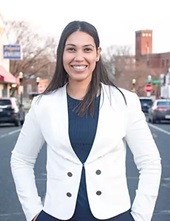
Rep. Shirley Arriaga
Sponsored bills
Maddy summaryThis bill creates a new Office of the Condominium Ombudsman within the Massachusetts Attorney General's office to help resolve disputes in condominium communities. The office will appoint a trained director to investigate complaints from unit owners, boards, and managers, while also serving as a resource to educate these groups on their rights and responsibilities. Funding for the office will come from a $50 fee paid by sellers when they transfer a condominium for more than $100. Additionally, the bill establishes a mediation pilot program staffed by at least two mediators to help settle specific disputes about unpaid fees, with eligibility limits designed to assist low- and middle-income homeowners and seniors.
Maddy summaryThis bill aims to protect families with pets from housing discrimination by prohibiting landlords, hotels, and public housing authorities from banning dogs based on breed, size, weight, or appearance. It also prevents insurance companies from denying coverage or charging higher premiums solely because a resident owns a specific dog breed, unless that dog is officially designated as dangerous. Additionally, the legislation includes a temporary eviction moratorium that stops landlords from evicting tenants solely for having pets for one year following a state of emergency, provided the animals do not threaten the safety of others.
Maddy summaryThis bill updates Massachusetts law to formally codify the rules and administration of the Massachusetts Rental Voucher Program, which provides rental assistance to low-income households. The legislation establishes that the state Department of Housing and Urban Development must manage the program using mobile and project-based vouchers to help families secure affordable housing, with a requirement that at least 75% of vouchers go to those earning less than 30% of the area median income. It also sets specific guidelines for subsidy amounts, ensuring payments generally range between 100% and 110% of fair market rent while allowing for exceptions to accommodate individuals with disabilities. Additionally, the bill clarifies that the number of vouchers issued will be based on available funding and outlines how payment standards are calculated and approved.
Maddy summaryThis bill allows movable tiny houses, defined as transportable units under 400 square feet, to be used as permanent homes or accessory units in Massachusetts. It creates a new registration category with the Department of Motor Vehicles and sets a $100 fee for titles, while also establishing a process for these homes to be inspected and issued occupancy certificates after being lived in for 180 days. Local towns are permitted to adopt less restrictive rules or offer tax incentives for hosting these units, provided they do not create design criteria that effectively exclude them. The legislation also specifies that these structures must meet state building codes but can have lower insulation requirements than standard homes.
Maddy summaryThis bill creates the Massachusetts Healthy Homes Program to help property owners address health and safety issues in their residential buildings. It directly affects owner-occupants and landlords who own properties with problems such as mold, lead, pests, or conditions that block energy efficiency upgrades. The program would allow eligible applicants to receive financial assistance for necessary repairs, with specific income limits and property size definitions determining who qualifies. By amending existing housing laws, the legislation establishes a formal framework for distributing funds to improve living conditions and reduce utility costs for residents.
By Representative Saunders of Belchertown and Senator Oliveira, a joint petition (subject to Joint Rule 12) of Aaron L. Saunders, Jacob R. Oliveira and Todd M. Smola for legislation to designate a certain bridge on state Route 9 between the towns of Belchertown and Ware as the Kenneth J. Iwasinski memorial bridge. Transportation.
Maddy summaryThis bill allows Massachusetts community colleges to apply for grant money from the Career Technical Initiative to create evening courses for adults seeking technical and trade skills. It requires these new community college-based institutes to meet the same approval standards as those located in vocational technical schools and ensures they are included in all related state reports. By enabling evening classes, the legislation aims to provide more flexible learning opportunities for working adults in industry-recognized fields.
Maddy summaryThis bill expands Massachusetts' Paid Family and Medical Leave (PFML) program to include time off for individuals donating bone marrow, organs, or blood. It allows covered workers to take up to 30 days for living organ donation, five days for bone marrow donation, and up to 4 hours per year for blood donation without losing their benefits. The legislation also removes the standard seven-day waiting period for this specific type of leave and simplifies the certification process by requiring only basic details about the donation event from healthcare providers.