

Maddy summaryThis bill creates a PFAS Remediation Trust Fund to address contamination in Massachusetts drinking water, groundwater, soil, and other environmental media. It directly affects communities with PFAS pollution, including vulnerable environmental justice areas, private well owners, and public water systems. The fund provides grants for PFAS treatment, remediation, and outreach programs, prioritizing communities with limited resources. Money comes from settlements with PFAS manufacturers, other grants, and interest, with strict rules requiring repayment if responsible parties are later identified.
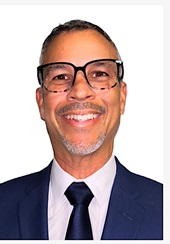
Rep. Homar Gomez
Sponsored bills
Maddy summaryHD 2651 modifies Massachusetts abortion law by removing specific medical justification requirements. It replaces the previous list of permitted circumstances (e.g., preserving life, health, or fetal anomalies) with a standard allowing abortions "based upon the professional judgment of the physician." The bill also eliminates a requirement for physicians to independently review cases involving pregnancies over 24 weeks and deletes language about "determinations" related to those cases. This change directly affects patients seeking abortions and physicians performing them by broadening the legal basis for the procedure.
Maddy summaryThis bill (HD 5474) formally names asparagus as the official vegetable of the Commonwealth. It has no policy impact or effect on any specific group, as it is purely a ceremonial designation. The bill adds a single line to state law stating "Asparagus shall be the official vegetable of the commonwealth." It does not create new regulations, funding, or obligations.
Maddy summaryThis bill would create a single government-run health care system called the Massachusetts Health Care Trust, providing universal coverage to all Massachusetts residents. It eliminates patient cost-sharing (like deductibles and co-pays) and requires the Trust to cover all medically appropriate services, including dental, behavioral health, and long-term care. The Trust would replace current private and public insurance plans, funding care through state revenue to ensure coverage regardless of income, health status, or employment. It directly affects every Massachusetts resident (as defined, including homeless individuals and undocumented people) and all health care providers in the state. The system aims to reduce administrative costs, control spending, and expand preventive care while guaranteeing continuous coverage without job or enrollment changes.
Maddy summaryHD 3390 modifies Massachusetts tax law to address income from foreign entities. It specifies that amounts included in federal income under Section 951A of the IRS Code (related to global intangible low-taxed income) will no longer be treated as dividends for state tax purposes, and taxpayers can only deduct 50% of this income instead of the full amount. This primarily affects businesses and individuals with foreign income subject to Section 951A provisions. The changes apply to tax years beginning on or after January 1, 2025.
Maddy summaryThis bill allows the city of Easthampton to issue up to eight new liquor licenses for the sale of all alcoholic beverages. These licenses must be issued according to existing state laws, with one specific exception regarding certain transfer restrictions. The city cannot move these new licenses to a different location within the city, but they can be transferred to a new business at the same address if all taxes and fees are paid. If a license holder stops operating or fails to renew, the license returns to the city to be issued to a new applicant at that same location.
Maddy summaryThis bill increases tax credits for low-income families with children by boosting the credit percentage by 5 percentage points for each qualifying child beyond three. It allows families without a Social Security Number to claim the credit using an Individual Taxpayer Identification Number (ITIN) and creates a new $600 credit per qualifying dependent (including elderly or disabled relatives). The changes apply to tax years starting January 1, 2025, and require the state to provide multilingual outreach about tax credits through websites, employers, and social service programs. The bill directly affects families meeting federal eligibility rules for tax credits but facing barriers like lacking an SSN or needing assistance navigating the system.
Maddy summaryThis bill allows the town of South Hadley to issue six new alcohol licenses to specific businesses located in four designated economic development zones. The four additional on-premises licenses would be for establishments where alcohol is consumed on-site, while the two off-premises licenses are for places where alcohol is sold for consumption elsewhere. These licenses are restricted to specific districts identified on a town zoning map and must be marked with their respective zone names. The town's licensing authority will manage the issuance, transfer, and renewal of these licenses, ensuring that all applicable taxes and fees are paid before approval.
Maddy summaryHD 1112 allows Massachusetts cities and towns to implement a real estate transfer fee on property sales to fund affordable housing. The fee, collected by settlement agents during property closings, would be directed to municipal or regional housing trust funds. These funds must be used for acquiring, constructing, rehabilitating, or preserving housing for low- and moderate-income households (as defined by HUD). The bill provides definitions for key terms like "affordable housing purposes" and "settlement agent" to ensure consistent implementation.
By Mr. Gomez, a petition (accompanied by bill, Senate, No. 2013) of Adam Gomez, James B. Eldridge and Patricia D. Jehlen for legislation to support educational opportunity for all. Revenue.