

Maddy summaryThis bill amends state law to require health insurers to pay ambulance providers directly when treating insured individuals who are not under contract with that specific insurer. The legislation mandates that insurers must make these payments promptly, even if the insurance policy typically prohibits assigning benefits, provided the patient signs an assignment form or is unable to do so. It also clarifies that payment made to the patient instead of the ambulance company does not count as reimbursement, and it grants ambulance providers the legal right to sue insurers who fail to pay directly. These changes directly affect ambulance service providers, insurance companies, and patients seeking emergency care in Massachusetts.
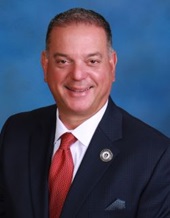
Rep. Angelo Puppolo
Sponsored bills
Maddy summaryThis bill establishes a refundable tax credit for Massachusetts residents who provide unpaid care for family members requiring assistance with daily activities like bathing, eating, or moving. To qualify, the caregiver must have an income below $75,000 individually or $150,000 as a couple and spend money on eligible expenses such as home modifications, medical equipment, or hiring professional care services. The credit covers 100% of these costs but is capped at $1,500 per eligible family member to ensure the total benefit does not exceed that maximum amount. If multiple people care for the same individual, the $1,500 limit is shared among them based on how much each person spent. The law also requires the Department of Revenue to review and adjust the credit parameters every five years starting from when it takes effect.
Maddy summaryThis bill requires public employers in Massachusetts to cover cancer screenings for full-time paid firefighters without charging them any out-of-pocket costs. The screenings must occur at least every three years starting three years after the firefighter begins employment and include tests for various types of cancer such as lung, colon, and prostate cancer. The law applies to firefighters working for state agencies, cities, towns, and specific military and port authority fire departments, ensuring these workers receive regular health checks funded entirely by their employer's health plan.
Maddy summaryThis bill creates a special commission to study ways to improve pollinator health by increasing native habitat in places like farms, forests, parks, and urban areas. The commission will include representatives from government agencies, universities, farmers, beekeepers, and environmental groups, with the secretary of energy and environmental affairs serving as chair. Over the next year, the group will review current laws, compare successful programs from other states, assess funding needs, and gather data on pollinator populations. By May 1, 2025, the commission must submit its findings and any recommended laws to the state legislature for further action.
Maddy summaryThis bill proposes creating a new chapter in Massachusetts law to update how the state manages funding and fees related to digital infrastructure and streaming services. It establishes a policy framework that allows the state to assess fees from companies providing streaming entertainment based on their gross revenues generated within the Commonwealth. The legislation also sets guidelines for how local governments can regulate the use of public spaces for these services while encouraging diverse content and fair competition. Additionally, it creates specific processes for the Department of Revenue to collect unpaid fees and fines from operators that do not comply with the new rules.
May 9, 2024 -- The committee on Advanced Information Technology, the Internet and Cybersecurity, to whom was referred the petitions (accompanied by bill, Senate, No. 34) of Jason M. Lewis, Paul W. Mark, John J. Cronin, Joanne M. Comerford and other members of the General Court for legislation to establish a comprehensive statewide policy concerning streaming entertainment services and the recovery of municipal costs for the management and maintenance of digital infrastructure, report the accompanying bill (Senate, No. 2771).
Maddy summaryThis bill requires state agencies to increase funding for human services organizations to close the pay gap between these workers and comparable state employees. The law mandates that the reimbursement gap be reduced by 50% by July 2024, 30% by July 2025, 10% by July 2026, and fully eliminated by July 2027. All additional funds received must be used to raise the salaries of the workers who provide care and support services. The legislation also directs relevant agencies to create a report on improving recruitment and retention for these employees by January 2024.
Maddy summaryThis bill amends Massachusetts laws to clarify how tow companies can place liens on vehicles. It specifically allows liens to be issued for cars towed from private property or involuntarily transported from accident scenes. The changes update existing statutes to ensure the legal process for collecting unpaid towing fees is clearly defined for private property owners and towing operators.
Maddy summaryThis bill aims to improve the quality and accountability of temporary nursing service agencies in Massachusetts by giving the executive office authority to set fair rates and monitor agency performance. The legislation requires that rates for temporary nurses include allowances for wages, taxes, and benefits that do not exceed what permanent staff earn in the same region, while also mandating that agencies submit cost reports for auditing. To increase transparency, the bill directs the executive office to create a public performance report card that tracks agency compliance, staff reliability, and financial data by geographic area and facility type. Additionally, the law prohibits these agencies from poaching employees from facilities where they currently have an active contract for a period of one year after the contract ends.
Maddy summaryThis bill establishes a task force to review Massachusetts laws regarding animal cruelty and protection. The group will include representatives from the attorney general's office, district attorneys, state police, agricultural resources, and animal welfare organizations, along with two members appointed by the governor. Within 12 months, the task force must submit a report with findings and legislative recommendations, which may include creating a new misdemeanor statute for animal cruelty. This initiative directly affects state agencies and animal welfare groups by mandating a systematic evaluation of current legal protections for animals.