

Maddy summaryThis bill proposes establishing a livable wage specifically for human services workers in Massachusetts. It directly affects employees of community-based organizations that receive funding from state agencies such as the Executive Office of Health and Human Services, the Executive Office of Elder Affairs, or the Department of Housing and Community Development. The legislation defines these workers as staff who provide treatment, support, or services to clients and their families, while defining the organizations as those with funded human services programs. By amending Chapter 6A of the General Laws, the bill creates a formal framework to ensure these essential workers are paid a wage deemed sufficient to meet basic living needs.
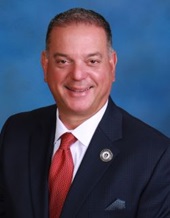
Rep. Angelo Puppolo
Sponsored bills
By Representatives Khan of Newton and Santiago of Boston, a petition (accompanied by bill, House, No. 2859) of Kay Khan, Jon Santiago and others for legislation to impose an excise tax on distributors of certain drinks with added sugar and promoting healthy alternatives to such drinks. Revenue.
By Representative Puppolo of Springfield, a petition (subject to Joint Rule 12) of Angelo J. Puppolo, Jr., and Bud L. Williams relative to real estate tax abatements for certain blind persons. Revenue.
Maddy summaryThis bill creates a new legal framework allowing Massachusetts employees to make small, voluntary payroll deductions to support not-for-profit social welfare organizations and political committees. The legislation directly affects workers by enabling them to authorize regular contributions from their paychecks without incurring transaction fees, aiming to lower financial barriers to political engagement. Key provisions require covered organizations to obtain authorization from at least ten residents before participating in the program and mandate that the Attorney General certifies these groups. Employers participating in this system would not face any costs for facilitating these deductions, while employees retain full control over their contribution amounts.
By Representative Murray of Milford, a petition (accompanied by bill, House, No. 2243) of Brian W. Murray and others relative to certified medication aides. Public Health.
By Representative Puppolo of Springfield, a petition (subject to Joint Rule 12) of Angelo J. Puppolo, Jr., that the Massachusetts Teachers’ Retirement Board be authorized to grant creditable service to Sheila Commisso. Public Service.
By Representatives Ashe of Longmeadow and Puppolo of Springfield, a petition (subject to Joint Rule 12) of Brian M. Ashe, Angelo J. Puppolo, Jr., and Jacob R. Oliveira relative to entrance fee refund provisions in continuing care agreements and written residency agreements. Elder Affairs.
Maddy summaryThis bill proposes to ban the sale of new fur products within Massachusetts, affecting retailers, sellers, and anyone distributing items made from animal skins with hair or fur attached. The law defines "fur products" broadly to include clothing, accessories, and home décor, while explicitly excluding items like leather, sheepskin, and taxidermy mounts. A key provision allows for the continued sale of used fur products and permits non-profit organizations to sell such items, creating a specific exemption for charitable groups. Violations of the ban could result in penalties, though the text provided cuts off before detailing the specific fines or legal consequences.
Maddy summaryThis bill amends Massachusetts law to change how the Attorney General handles criminal convictions involving members of state retirement systems. Under the new rules, the Attorney General must immediately inform the retirement commission if a member is convicted of a crime that could lead to the loss of their pension or other retirement benefits. The commission will then review the conviction to determine if it actually requires forfeiture before notifying the member's employer or retirement board. This process ensures that notifications about potential pension loss occur only after a formal determination is made that the conviction warrants such action.
Maddy summaryThis bill amends Massachusetts law to improve how criminal convictions involving retirement system members are reported. It requires the attorney general or district attorney to immediately inform the relevant commission if a member is convicted of a crime that might lead to pension forfeiture. The commission must first confirm that the conviction actually results in a loss of benefits and receive specific instructions to take action before notifying the member's retirement board or employer. This process ensures that reports of criminal convictions are only shared when they directly impact a person's retirement rights.