

Maddy summaryThis bill authorizes adults with disabilities in Massachusetts to enter into supported decision-making agreements as an alternative to traditional guardianship. It requires the state to create a training program for supporters and decision-makers and mandates that schools inform students with disabilities about this option when they turn sixteen. The legislation defines the roles of supporters and decision-makers, outlines the rights and obligations of each party, and establishes rules for dispute resolution while ensuring the decision-maker retains full control over their life choices.
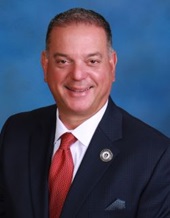
Rep. Angelo Puppolo
Sponsored bills
Maddy summaryThis bill establishes a statewide pilot program in Massachusetts to provide free legal representation to low-income tenants facing eviction proceedings. It defines eligible individuals as renters or owners of small homes who are indigent based on specific income thresholds or public assistance status. The legislation designates non-profit organizations to offer full legal services, including advocacy and filing necessary documents, to help these individuals maintain their housing. By ensuring access to counsel in covered proceedings, the bill aims to prevent homelessness and promote housing stability during the ongoing housing emergency.
Maddy summaryThis law bans the use of elephants, big cats, primates, giraffes, and bears in traveling animal acts, such as circuses and mobile carnivals, effective January 1, 2025. It prohibits anyone from allowing these animals to perform tricks or participate in entertainment while being transported in vehicles between locations. The ban does not apply to animals that live permanently at a fixed facility, veterinary transport, or film productions that do not involve live public exhibitions. Violations of the new rules can result in civil penalties ranging from $500 to $10,000 per animal involved.
Maddy summaryThis bill authorizes the city of Springfield to allow police officer Lawrence E. Akers to continue working until he turns 70, rather than retiring at age 65. To ensure he remains fit for duty, the city can require annual medical examinations and must verify that he maintains all necessary training and certifications. Additionally, the law ensures that Akers does not lose pension benefits for working past age 65 and will receive a retirement allowance equivalent to what he would have gotten had he retired at 65.
By Representative Scarsdale of Pepperell, a petition (accompanied by bill, House, No. 2654) of Margaret R. Scarsdale and others relative to certain exemptions from the civil service laws. Public Service.
Maddy summaryThis bill amends Massachusetts law to require police and fire department members hired after 1978 to live within fifteen miles of the city or town where they work, unless they are covered by a different state chapter. The distance is measured from the nearest border of the workplace municipality to the nearest border of the employee's residence. Local governments may allow a longer distance if it is specified in a collective bargaining agreement negotiated under state law.
Maddy summaryThis bill amends Massachusetts law to specifically include public transit workers as protected employees under assault and battery statutes. It expands the definition of assault to cover attacks using bodily substances, such as blood, saliva, or urine, when directed at these workers. By updating the legal text, the legislation ensures that harming transit staff with such substances is treated as a distinct offense. The changes directly affect law enforcement, prosecutors, and public transit employees by clarifying the scope of protected conduct.
Maddy summaryThis bill aims to stop wage theft and hold employers accountable by strengthening how the state enforces labor laws. It creates a new public enforcement unit within the Attorney General's office to investigate unpaid wages and other violations. The legislation also expands the types of penalties available to punish companies that fail to pay workers correctly. These changes directly affect employees who may have been underpaid and the businesses that employ them.
Maddy summaryThis bill authorizes adults with disabilities in Massachusetts to create supported decision-making agreements, allowing them to choose trusted individuals to help them make life decisions while retaining full control over their own choices. The law defines supporters as people who assist with understanding information, communicating decisions, and accessing records regarding medical, financial, and personal matters, all with the explicit consent of the person making the decisions. Key provisions ensure that the decision-maker can enter into or end these agreements at any time without coercion and that supporters cannot override the decision-maker's self-determination. By adding this new section to the state's probate code, the legislation provides a formal legal framework for individuals to receive support without needing to appoint a guardian.
Maddy summaryThis bill updates Massachusetts retirement laws to include licensed drinking water operators in a specific employee category. It directly affects individuals who hold certifications for operating drinking water supply facilities under state regulations. By adding these professionals to Group 2, the legislation ensures they are classified similarly to other licensed workers for retirement purposes. This change is administrative and does not alter existing benefits or create new ones.