

The committee on Environment and Natural Resources to whom was referred the petition (accompanied by bill, Senate, No. 597) of Paul R. Feeney, Joanne M. Comerford, James K. Hawkins, Angelo J. Puppolo, Jr. and other members of the General Court for legislation to conserve and improve natural and working lands, report the accompanying bill (Senate, No. 2571).
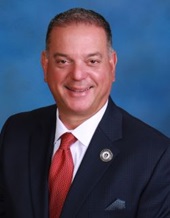
Rep. Angelo Puppolo
Sponsored bills
Maddy summaryThis bill requires construction contractors and subcontractors working on specific public projects to use approved apprenticeship programs. Within 30 days of winning a contract, they must join or maintain a state or U.S. Department of Labor-approved program and employ registered apprentices throughout the project. By January 1, 2025 (for most contracts), approved programs must have graduated at least three apprentices to journey worker status in the past five years. Contractors must submit written compliance proof and program details to the attorney general within 45 days of contract award. It affects all trade contractors on eligible construction, reconstruction, maintenance, or repair projects under specified state laws.
Maddy summaryThis bill (SD 1215) restructures staffing positions within Massachusetts probate and family court registries. It establishes "first assistant registers" (one per county) and specifies exact numbers of "assistant registers" and "assistant judicial case managers" for each county. The bill eliminates certain existing titles like "administrative deputy assistant registers" while allowing current holders to continue in those roles. It also modifies compensation structures for specific deputy assistant register positions in Suffolk and Middlesex counties. The changes primarily affect court staff management and internal court operations, not public legal procedures or rights.
Maddy summaryHD 2320 restructures staffing positions within Massachusetts probate courts across 14 counties. The bill establishes specific numbers of "first assistant registers" (one per county) and "assistant registers" (varying by county, e.g., 4 in Middlesex), while eliminating the title "administrative deputy assistant register" (though current holders may continue). It also adds "assistant judicial case managers" for certain counties and adjusts Suffolk County's clerk and deputy register roles, including compensation details for some positions. This procedural bill directly affects probate court staff management, not public policy or services.
Maddy summaryHD 3401 requires state and county correctional facilities to provide Narcan (an opioid antagonist) and education about its use to individuals upon release who have a history of opioid use, an opioid use disorder diagnosis, or a prior opioid overdose. The bill mandates that facilities dispense at least two doses of Narcan to these individuals or their legal guardian, along with instructions on proper use and community access points. This policy directly affects people transitioning from incarceration who are at high risk for opioid overdose. The law aims to reduce overdose deaths by ensuring immediate access to life-saving medication during a critical post-release period.
By Mr. Oliveira, a petition (accompanied by bill, Senate, No. 1895) of Jacob R. Oliveira, Ryan C. Fattman, Paul W. Mark, Joanne M. Comerford and other members of the General Court for legislation to provide equity to police officers disabled by cardiac disease. Public Service.
Maddy summaryThis bill modifies Massachusetts laws to improve access to hearing aids by changing provider restrictions and requiring cost transparency. It removes the ban on ear, nose, and throat specialists (otolaryngologists) and nonprofit healthcare facilities from selling hearing aids to patients they treat, while still requiring physicians to disclose all fees and costs upfront. Specifically, providers must give patients a written estimate of the total price - including the device, ear molds, batteries, and service fees - before selling. The bill directly affects hearing aid providers (audiologists, specialists, and clinics) and patients seeking affordable hearing solutions by reducing financial barriers and increasing clarity in pricing.
By Ms. Jehlen, a petition (accompanied by bill, Senate, No. 870) of Patricia D. Jehlen, Angelo J. Puppolo, Jr., Hannah Kane, Michael O. Moore and other members of the General Court for legislation to clarify rate setting processes for home health and home care services. Health Care Financing.
Maddy summaryThis bill creates a commission on acupuncture and wellness to study how to better integrate acupuncture into Massachusetts healthcare, focusing on pain management, substance abuse treatment, and wellness. It mandates that all health insurance policies, hospital service plans, and health maintenance contracts cover acupuncture for specific conditions including pain management, PTSD, substance abuse, and nausea. The bill also requires insurers to reimburse licensed acupuncturists and medical doctors equally for acupuncture services, prohibiting different payment rates based on provider type. This affects insurers, healthcare providers, and patients seeking acupuncture coverage for these conditions.
Maddy summaryThis bill changes how time off is handled for police officers and firefighters who receive accidental disability retirement under Chapter 32. It specifically applies to those whose retirement isn't based on presumptions in Sections 94, 94A, or 94B of Chapter 32. The bill requires that any absence from duty due to the condition causing the retirement be treated as approved leave retroactively, if they hadn't already been granted such leave. This ensures they receive retroactive pay and any related personnel adjustments as if they had been on approved leave during that time.