

Maddy summaryThis bill requires Massachusetts public schools to include American Sign Language in their educational programs. It specifically mandates that schools recognize the value of sign language for children with autism, noting its visual nature and ability to facilitate quick communication without assistive devices. By changing the word "may" to "shall" in existing state law, the measure makes the inclusion of sign language a mandatory requirement rather than an optional one.
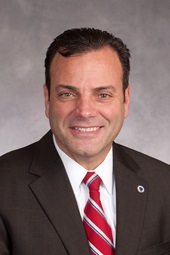
Rep. Paul McMurtry
Sponsored bills
Maddy summaryThis bill creates a new Food Literacy Trust Fund to support food education programs in Massachusetts schools. The fund will be financed through state appropriations, private donations, federal grants, and interest earnings, with the state treasurer managing the money to maximize returns while ensuring the fund remains solvent. The Department of Elementary and Secondary Education is authorized to use these resources to encourage and facilitate food literacy initiatives in public school districts, charter schools, and approved private institutions. Additionally, the bill requires the education commissioner to submit annual reports to legislative committees detailing the fund's income, spending, and balance.
Maddy summaryThis bill amends Massachusetts education laws to allow students to count their participation in 4-H programs as school attendance, equivalent to an educational field trip. It requires schools to provide opportunities for students to complete missed work and ensures that grades are not negatively impacted by their absence from class for these activities. The legislation also mandates that 4-H agents provide proof of participation upon school request, while explicitly excluding attendance credit during standardized testing periods or times when a student is suspended or expelled.
Maddy summaryThis bill requires insurance plans in Massachusetts that cover screening mammograms for state employees to also cover diagnostic breast cancer exams and digital breast tomosynthesis screenings without charging higher out-of-pocket costs. The legislation defines diagnostic exams as medically necessary tests used to evaluate abnormalities found during screenings or based on medical history, ensuring these services are treated with the same financial benefits as standard mammograms. Additionally, the bill creates an exemption for high-deductible health plans that use Health Savings Accounts, allowing them to maintain their tax-qualified status while still complying with state preventive care requirements. These changes aim to improve access to early detection tools for breast cancer across different types of insurance coverage within the state.
Maddy summaryThis bill requires insurance companies in Massachusetts to pay auto repair shops a minimum hourly labor rate based on the actual rates charged to customers for repairs. Under the new rules, a repair shop can establish this rate by submitting data from 100 customer-paid orders or 60 consecutive days of work, whichever occurs first, to the insurance company. The insurance company must then audit the submitted data and either accept the proposed rate or propose a different one within 30 days, with the option for the shop to challenge the decision in court if they disagree. Additionally, the bill ensures that these labor rates are excluded from certain state programs designed to control insurance costs.
Maddy summaryThis bill establishes a minimum reimbursement rate that insurance companies must pay to claimants for labor on first- or third-party auto insurance claims in Massachusetts. The new rate is calculated by adjusting the 1988 Insurance Reform Act rate for inflation and will be implemented gradually over two years before being updated annually based on the Consumer Price Index. While the law sets a floor for payments, it allows for higher reimbursements if specific criteria regarding vehicle type, labor expertise, and training are met.
Maddy summaryThis bill creates a new Office of Career Technical Education within the state Department of Elementary and Secondary Education to better align vocational training with local job market needs. The new office will be led by a deputy commissioner responsible for developing policies, enforcing regulations, and supporting innovative programs where students split their time between traditional high schools and vocational schools. Key provisions include establishing new credentials for students based on workplace skills, ensuring instructors are qualified through industry advisory boards, and using standardized assessments to measure student progress. Additionally, the office will work with industry partners to create customized skill assessments and support the use of recognized industry credentials in vocational programs.