By Mr. Rush, a petition (accompanied by bill, Senate, No. 2071) of Michael F. Rush and Paul McMurtry for legislation to grant property tax relief to seniors. Revenue.
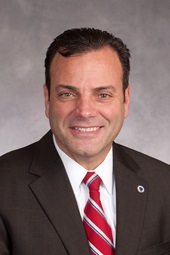
Rep. Paul McMurtry
Sponsored bills
By Mr. Rush, a petition (accompanied by bill, Senate, No. 2072) of Michael F. Rush and Paul McMurtry for legislation to incentivize veterans to reside in the Commonwealth. Revenue.
Maddy summaryThis bill creates a new assessment system for streaming entertainment companies using public rights-of-way in Massachusetts. It requires companies earning over $250,000 annually in the state to pay an assessment based on their gross revenues, with rates set annually by a new advisory board. The collected funds aim to maintain previous revenue levels for community media facilities (PEG access facilities), which provide public, educational, and government programming. The bill directly affects streaming operators, not end-users, and establishes a structured process for collecting payments while prohibiting rate regulation of these services.

Maddy summaryHD 3502 requires health care employers (including hospitals, teaching hospitals, certain correctional facilities, and other specific health care settings) to create and maintain workplace violence prevention programs. Each year, employers must conduct risk assessments with employee input, develop written prevention plans covering training and reporting systems, designate a senior manager for crisis response, and submit annual incident reports to the state. The law prohibits retaliation against employees who report safety concerns and imposes fines of up to $2,000 per violation for non-compliance. These programs aim to protect employees, emergency medical personnel, and others working in health care facilities from violence risks.
Maddy summaryHD 2370 creates a legal privilege protecting confidential communications between Massachusetts employees and their labor unions during representation matters. It directly affects employees seeking union assistance, current union members, and union representatives by shielding discussions about organizing, grievances, bargaining, or workplace issues from forced disclosure. The bill establishes new protections in Massachusetts General Laws (Section 20P), covering communications between employees and unions, employees and union attorneys, and internal union deliberations. Exceptions include communications related to crimes/fraud, breach of duty claims, or documented evidence where a union rep is an attesting witness. This privilege applies across all relevant labor laws governing unions (chapters 150A, 150E, and 161A).
Maddy summaryThis bill requires public schools and districts to adopt policies restricting personal electronic device use during school hours and school activities to reduce distractions and support learning. The state education department must provide a model policy including secure device storage options, methods for parents to contact students during the day (including emergencies), and enforcement rules that prevent unfair discipline. Schools must file their adopted policies annually by September 1, with exceptions for students with disabilities, health accommodations, or emergencies. The policy must not lead to student expulsion or suspension solely for device use violations.
Maddy summaryH 4746 establishes Massachusetts' first comprehensive consumer data privacy law, directly affecting businesses operating in the state that collect personal data ("controllers"). The law requires businesses to obtain clear "affirmative consent" from Massachusetts residents before collecting or selling their personal data, prohibiting manipulative "dark patterns" and ensuring consent requests are transparent, specific, and accessible. Key provisions include strict definitions for data types (like biometric data), rules for "contextual advertising" that doesn't track individuals, and requirements for businesses to honor consumer rights to access, delete, or opt out of data processing. The law applies to all businesses serving Massachusetts residents, with specific protections for children's data and health/wellness information.
Maddy summaryThis bill, known as "Matt's Law," requires correctional institution superintendents to secure all exercise equipment to prevent inmate removal. It specifically prohibits inmates in medium- or maximum-security facilities from accessing free weights. The law mandates that all exercise equipment must be secured to avoid being taken from the facility. These requirements apply directly to correctional institutions and their administrative staff managing inmate exercise areas.
Maddy summaryThis bill requires all public schools to create and implement two specific policies. First, schools must establish a device policy prohibiting student access to personal electronic devices (like phones or tablets) during the school day, except for special education plans, emergencies, or administrator approval. Second, schools must develop a social media education policy teaching students about the risks of social media use, including emotional and physical impacts. Schools must notify parents about both policies and file them with the state education department, which will provide public guidance to help schools create effective policies. The bill directly affects public school students, parents, and school districts across the state.
Maddy summaryThis bill creates a dedicated "Interdisciplinary Climate Literacy Trust Fund" to support climate education in Massachusetts public schools. The fund, financed by state appropriations, grants, and interest, will pay for curriculum development, teacher training, and technical support for K-12 schools. It requires school districts to create climate literacy plans - including lessons on human impacts on climate, environmental justice, and climate policy - that prioritize underserved communities and include youth input. The fund must be used without annual re-appropriation, with annual public reports detailing spending and district participation. The bill directly affects all public K-12 school districts in Massachusetts, with specific focus on schools serving economically disadvantaged students or environmental justice communities.