

Maddy summaryThis bill requires Maryland's Motor Vehicle Administration to establish uniform standards for breathalyzer technology to ensure consistent, reliable measurements. It directly affects law enforcement agencies and drivers by mandating that all breathalyzers used in the state must meet these standards. All devices must comply with the new standards starting October 1, 2026, replacing current ad-hoc testing protocols. The law takes effect October 1, 2025, with regulations to be adopted by the Administration.
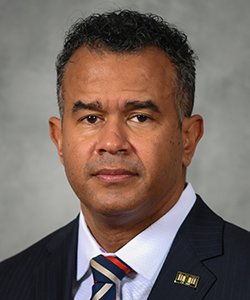
Del. C.T. Wilson
Sponsored bills
Maddy summaryHB 955 prohibits knowingly distributing computer-generated images or audio that misrepresent a real person's appearance, speech, or behavior as genuine, such as deepfakes. It defines "forged digital likeness" to exclude drawings, cartoons, sculptures, and paintings, and criminalizes distribution when presented as authentic. This law directly affects individuals creating or sharing deceptive digital content that could harm reputations. Violations are misdemeanors punishable by up to 3 years in jail or a $1,000 fine, but defendants may defend by showing they warned viewers the content was fake. The bill explicitly states it won’t infringe on free speech rights under the First Amendment.
Maddy summaryHB 924 sets new qualifications for professionals appointed by Maryland courts to conduct child custody evaluations. It specifies that custody evaluators must be licensed in one of six fields (such as psychiatry, psychology, clinical social work, or marriage and family therapy) and meet specific education, experience, and training requirements. The bill requires evaluators to have completed court-approved training, ongoing education in their field, and demonstrated expertise in areas like domestic violence, child abuse, trauma, and family dynamics. This directly affects courts appointing evaluators and the professionals seeking to serve in this role, ensuring they meet standardized competency standards.
Maddy summaryHB 950 expands who can access child abuse and neglect reports under Maryland law, primarily affecting schools, child care facilities, and universities. It adds specific disclosure pathways for school administrators (to address staff-related abuse), child care center operators (for employee suitability), and university officials (for campus staff/volunteer abuse reports). The bill requires that disclosures include protections for reporter identities when safety is at risk and are limited to official purposes like personnel actions or care decisions. These changes clarify existing law without creating new reporting obligations.
Maddy summaryThis Maryland bill requires electric companies to create special rate schedules for large data centers, which are defined as facilities using more than 2,500 kilowatts of power. The law mandates that these contracts include minimum terms of at least 20 years plus a load ramp period of no more than 4 years, along with specific financial responsibilities and fees. Electric companies must submit these rate schedules to the Public Service Commission for approval by July 1, 2026, and qualified customers must use the new rates rather than existing ones. The bill applies to both traditional data centers and mobile data centers, including cryptocurrency mining operations, but excludes existing facilities that do not expand their power usage by more than 2,500 kilowatts.
Maddy summaryThis bill updates the membership rules for Maryland county mental health advisory committees to better include voices from the military and veteran communities. It achieves this by adding a new category that allows the appointment of individuals with experience in mental health care for veterans or those currently serving in the military. The change ensures that these specific groups are represented alongside existing categories such as patients, family members, and medical professionals. This adjustment aims to broaden the committee's perspective on mental health services without altering the overall structure or voting powers of the advisory body.