

Maddy summaryThe Growing Apprenticeships and the Public Safety Workforce (GAPS) Act expands Maryland's apprenticeship program to include a broader range of public safety agencies, such as correctional facilities, in addition to traditional law enforcement departments. This bill increases the maximum grant amount for agencies participating in the program from $2,000 to $5,000 per apprentice and adjusts eligibility requirements to ensure apprentices live in areas with at least 10% poverty. Furthermore, the legislation mandates that the Maryland Police Training and Standards Commission develop mental health wellness policies for law enforcement and correctional facilities while establishing a workgroup to study ways to increase employment in these sectors.
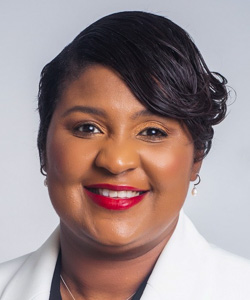
Del. Tiffany Alston
Sponsored bills
Maddy summaryThis Maryland law requires medical assistance programs and private health insurers to cover custom devices known as orthoses, which are used to treat neuromuscular or musculoskeletal conditions. Starting in 2025, these plans must provide coverage for both the initial devices and their replacements, ensuring that replacement costs are not unfairly restricted if repairs would be too expensive or if the patient's condition changes. The legislation also mandates that insurers treat these devices as essential health benefits without imposing separate deductibles, higher copayments, or lifetime spending caps. Additionally, the bill prohibits discrimination in coverage decisions based on disability and sets clear standards for when a doctor can determine a device is medically necessary for daily living or physical activities.
Maddy summaryThis Maryland law prohibits drug manufacturers, wholesalers, and logistics providers from discriminating against pharmacies that are authorized to receive discounted 340B drugs on behalf of covered entities. The bill makes it an unfair trade practice to deny or restrict the acquisition or delivery of these discounted medications, with the exception of cases where federal law explicitly forbids the transfer. Violations can result in fines up to $5,000 per package, license discipline by the State Board of Pharmacy, or investigation by the Attorney General's Consumer Protection Division. Additionally, the Maryland Prescription Drug Affordability Board is tasked with studying the state's 340B program implementation, financials, and the impact of these new protections.
Maddy summaryThis Maryland bill updates the licensing rules for certified nursing assistants and geriatric nursing assistants to align with federal regulations. It requires individuals applying for certification to complete a competency evaluation and allows training programs to request waivers for certain federal requirements. The law also clarifies the definition of "nursing support staff" and mandates that nursing homes include certified nursing assistants on their quality assurance committees. Additionally, the bill revises terminology to distinguish between different types of nursing assistants and ensures workplace safety committees consult with these staff members.
Maddy summaryThis bill establishes new requirements for Maryland law enforcement and prosecutors when a victim's death certificate is officially changed to list the cause or manner of death as undetermined or homicide. Specifically, it mandates that an assistant state's attorney must meet with the deceased's family or designated representative within 20 days to explain why a criminal investigation will not be pursued. Additionally, the law requires that such cases be reopened for reinvestigation and prohibits closing them for at least a specified period. These measures apply only when a medical examiner's initial determination is amended or corrected based on a formal request from a person in interest.
Maddy summaryThis bill establishes the Task Force on Responsible Use of Natural Psychedelic Substances in Maryland to study and make recommendations about the regulation of naturally derived psychedelics like psilocybin and mescaline, while explicitly excluding peyote. The task force will be composed of state officials, healthcare experts, researchers, and community representatives appointed by various leaders to ensure diverse input. Its primary duties include analyzing current laws and data on the benefits and risks of these substances and proposing changes to create a state access program that covers permitting, education, and production rules. The group is tasked with developing specific requirements for a future permit system, such as training curricula and limits on how much individuals can possess or grow. Members of the task force will serve without pay but can be reimbursed for travel expenses, and the Maryland Department of Health Cannabis Administration will provide staff support.
Maddy summaryThis Maryland bill creates a temporary 9-1-1 Specialist Recruitment and Retention Workgroup to study staffing issues for emergency call operators. The group is composed of state legislators, government officials, and representatives from emergency services organizations, who will meet without pay but can be reimbursed for travel expenses. Their main task is to examine current hiring and retention challenges, such as salary levels, benefits, and training requirements, while reviewing reports from a previous commission. By December 2024 and again in 2025, the workgroup must submit interim and final reports with recommendations to the governor and the state legislature on how to improve the profession. The law is set to expire automatically on December 31, 2025, unless renewed.
Maddy summaryThis bill updates Maryland's mental health laws to improve how individuals in crisis are evaluated and treated. It requires peace officers to transport people needing emergency evaluation to a nearby facility rather than strictly the nearest one, and it allows psychiatric nurse practitioners to conduct these evaluations alongside physicians. The legislation also mandates that every county establish an assisted outpatient treatment program, which can legally require individuals with severe mental illness to follow a treatment plan if they refuse voluntary care. Additionally, the bill ensures that public defenders provide legal representation during these proceedings and permits electronic submission of necessary petitions.
Maddy summaryHB 97, known as Rudy's Law, requires baby food manufacturers in Maryland to test their products for toxic heavy metals like arsenic, cadmium, lead, and mercury before packaging them for sale. Starting in January 2025, these manufacturers must have their food tested monthly by accredited laboratories and report the results to the Maryland Department of Health. Beginning in January 2026, companies must also publish these test results on their websites and include QR codes on product labels that allow consumers to access the data. The law also mandates that consumers report any baby food they believe contains excessive levels of these metals to state health officials.
Maddy summaryThis bill requires individuals to be certified as Advanced Practice Registered Nurses before they can practice in Maryland, with specific exceptions for students, federal employees, and temporary visitors. The law also outlines conditions under which nurses can practice while waiting for licensure results or during disaster responses, and it updates provisions regarding multistate nursing licenses. By establishing these certification and licensing standards, the legislation aims to regulate the practice of advanced nursing roles within the state.