Issue · Healthcare

Healthcare

Every healthcare bill, vote, and legislator stance in Maryland, automatically classified by Maddy, our AI policy reader.

Total bills
376
2026 Regular Session
Top supporter
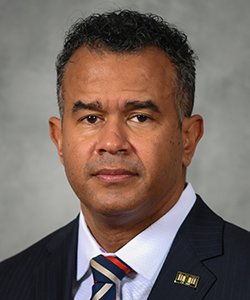
Alonzo Washington
100% support rate
Top opponent
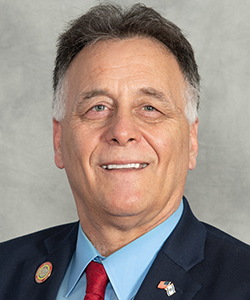
Jason Gallion
0% support rate
Ranked legislators
10
5 support · 5 oppose
Key legislators

Who's moving healthcare in Maryland

Legislators moving healthcare in Maryland
Legislator Party Stance Support rate Votes
Alonzo Washington
Alonzo Washington Senate · District 22
D
Strong +
100% 68
Brian Feldman
Brian Feldman Senate · District 15
D
Strong +
100% 70
C.T. Wilson
C.T. Wilson House · District 28
D
Strong +
100% 98
Kevin Harris
Kevin Harris Senate · District 27
D
Strong +
100% 70
Pam Beidle
Pam Beidle Senate · District 32
D
Strong +
100% 71
Jason Gallion
Jason Gallion Senate · District 35
R
Strong −
0% 71
Jack Bailey
Jack Bailey Senate · District 29
R
Strong −
0% 69
Johnny Salling
Johnny Salling Senate · District 6
R
Strong −
4% 71
J.B. Jennings
J.B. Jennings Senate · District 7
R
Strong −
4% 71
Mary Beth Carozza
Mary Beth Carozza Senate · District 38
R
Strong −
5% 70
Showing 151–160 of 376 bills

All healthcare bills

passed · Maryland · House of Delegates Mar 23, 2026

HB 1143: Public Health - Office of the Chief Medical Examiner - Perinatal Autopsies (Lung Float Test Ban)

HB 1143 bans the use of the "lung float test" (a hydrostatic lung test) during perinatal autopsies in Maryland. It directly affects the Chief Medical Examiner, deputy examiners, assistant examiners, and authorized pathologists when determining if a death was a stillbirth or occurred after a live birth. The bill prohibits this specific test method and allows parents, guardians, or legal representatives to file a civil lawsuit if the test is used unlawfully. Violations also become grounds for disciplinary action against medical examiners.
Sub-Topics Public Health
in committee · Maryland · Senate Feb 12, 2026

SB 942: Assisted Outpatient Treatment - Surrender or Seizure of Firearms

SB 942 requires courts to order individuals under court-ordered assisted outpatient treatment to surrender all firearms to law enforcement if the court determines they pose a risk of causing physical harm to themselves or others with firearm access. This applies only during the duration of the treatment order and affects people subject to such court orders under Maryland's mental health law. The bill establishes procedures for surrender, storage of firearms by law enforcement, and return upon order expiration, including requiring officers to provide receipts and information on reclaiming firearms. It also allows courts to issue search warrants for unreturned firearms and use contempt powers for violations. The law modifies existing Maryland code sections governing assisted outpatient treatment to include these firearm safety measures.
Sub-Topics Mental Health
signed · Maryland · House of Delegates Apr 28, 2026

HB 1376: Maryland Medical Assistance Program, Maryland Children's Health Program, and Health Insurance - Transfers to Special Pediatric Hospitals - Requirements

HB 1376 requires Maryland's Medicaid (Maryland Medical Assistance Program) and Children's Health Program to provide a review within 3 business days for transfer requests to special pediatric hospitals when requested by the hospital or referring provider. It mandates retrospective reviews if a transfer is denied as "not medically necessary," with providers reimbursed for "administrative days" (days a patient remains without transfer) during the review process. The bill directly affects special pediatric hospitals - facilities serving children under 22 or those 2+ years old with co-occurring physical/behavioral health conditions - and their referring providers. Key provisions include eliminating prior authorization requirements for transfers while establishing strict timelines and reimbursement for administrative delays during appeals. This bill updates existing Medicaid and insurance rules to streamline transfers to specialized pediatric care facilities.
passed · Maryland · House of Delegates Apr 13, 2026

HB 797: Employment Discrimination - Fire and Rescue Public Safety Employees - Use of Medical Cannabis

HB 797 prohibits employers from discriminating against fire and rescue public safety employees who use medical cannabis, provided they have a valid written certification from a licensed healthcare provider under Maryland's medical cannabis program. The bill modifies existing law to clarify that an employer cannot take adverse employment actions (like termination or denial of promotion) solely due to medical cannabis use, as long as the employee meets the state's certification requirements. It updates definitions in Maryland law to ensure fire and rescue employees qualify for the same protections as other medical cannabis patients under the existing program. The law does not override workplace safety rules or require employers to accommodate cannabis use during work hours.
in committee · Maryland · Senate Feb 9, 2026

SB 550: Health Care Decisions Act - Surrogate Decision Making - Mental Disorders

SB 550 amends Maryland's Health Care Decisions Act to allow surrogates (like family members or appointed guardians) to authorize treatment for a person's mental disorder if that person has been certified as unable to make informed health care decisions. It repeals the previous ban preventing surrogates from making such decisions, updating the priority order for who can act as a surrogate (e.g., guardians first, then spouse, adult children, or qualified friends/relatives). Qualified friends or relatives must now provide an affidavit to the physician confirming their relationship and familiarity with the patient’s wishes. This change directly affects patients certified as incapable of making their own mental health treatment decisions and their designated surrogates.
Sub-Topics Mental Health
passed · Maryland · House of Delegates Mar 23, 2026

HB 1150: Health Occupations - Pharmacists - Minor Conditions and HIV Prevention and Treatment (Rapid Testing and Preventive Care Act)

HB 1150 expands pharmacists' scope of practice in Maryland to prescribe, administer, and dispense medications for specific minor conditions and HIV prevention/treatment under statewide protocols. It directly affects pharmacists (by allowing new clinical duties) and patients (by increasing access to care for conditions like cold sores, strep throat, flu, lice, urinary infections, and HIV testing). Key provisions include permitting pharmacists to prescribe for minor, self-limiting conditions without a new diagnosis and to perform/interpret HIV lab tests while prescribing PrEP/PEP medications. The bill repeals the previous nPEP standing order program and requires the Maryland Department of Health to establish these protocols.
in committee · Maryland · House of Delegates Feb 12, 2026

HB 1200: Vehicle Laws - Electronic and Video Tolls - Exemption for Registered Owners Undergoing Cancer Treatment

HB 1200 exempts registered vehicle owners undergoing active cancer treatment from liability for electronic or video tolls if they provide medical documentation confirming they were between scheduled cancer treatments at the time of the toll transaction. The bill amends Maryland's vehicle toll laws to add this exemption, requiring owners to submit documentation from a licensed healthcare provider by the date specified on the toll notice. This directly affects cancer patients who operate their registered vehicles during treatment, relieving them from paying tolls and potential penalties for those specific transactions. The exemption applies only to tolls incurred during the period of ongoing cancer treatment, as verified by medical records.
in committee · Maryland · Senate Feb 12, 2026

SB 549: Mental Health - Treatment Plans for Individuals in Facilities - Participation of Family Members or Other Individuals

SB 549 requires Maryland mental health facilities to inform patients about their right to include family members or other chosen individuals in treatment planning meetings. Facilities must provide a clear form and information about advance directives when patients consent, and reconfirm consent at least every seven days. The bill mandates facilities to share meeting schedules and allow authorized participants to join treatment team discussions, while limiting providers from withholding information only if they believe consent was forced. Patients can withdraw consent anytime, orally or in writing.
Sub-Topics Mental Health
in committee · Maryland · Senate Feb 12, 2026

SB 832: Nonprofit Hospitals - Community Benefits

SB 832 requires most nonprofit hospitals in Maryland to provide annual community benefits equal to either 100% of their tax-exempt value or 5% of their net patient revenue (with at least 4% in charity care). Hospitals must file annual reports detailing these benefits to the Health Services Cost Review Commission within 120 days of their fiscal year-end. The Commission then reports annually to the Attorney General and Comptroller by December 1, including compliance status and financial details. If a hospital fails to meet the requirements, the Comptroller may revoke its tax-exempt status for the following year, though hospitals can correct unintentional errors to avoid this. The bill excludes hospitals in counties with populations under 50,000.
in committee · Maryland · House of Delegates Feb 13, 2026

HB 1129: Maryland Medical Assistance Program - Provider Agencies - Wages and Leave for Personal Care Aides

HB 1129 requires provider agencies that contract with Maryland's Medicaid program (specifically for services like Community First Choice and Community Personal Assistance) to pay personal care aides a minimum wage of $17 per hour and provide written wage notices. It mandates these agencies to offer 24 hours of paid sick leave annually (or upon hire) and additional paid leave at a rate of 1 hour per 30 hours worked after 720 hours in a year. The Maryland Department of Health can enforce compliance through corrective plans, program suspension, or termination for noncompliance. This bill directly affects personal care aides employed by Medicaid-reimbursed agencies, aiming to improve their compensation and leave benefits.
Showing 151 to 160 of 376 bills
Previous 1 15 16 17 38 Next