

Issue · Criminal Justice
Criminal Justice (Juvenile Justice)
Every criminal justice bill, vote, and legislator stance in Maryland, automatically classified by Maddy, our AI policy reader.
Total bills
21
2026 Regular Session
Top supporter
Bryan Simonaire
100% support rate
Top opponent
Dalya Attar
0% support rate
Ranked legislators
10
5 support · 5 oppose
Key legislators
Who's moving juvenile justice in Maryland
| Legislator | Party | Stance | Support rate | Votes |
|---|---|---|---|---|
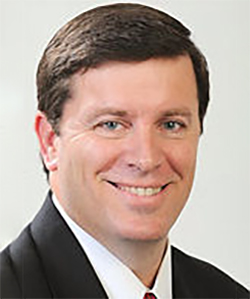
Bryan Simonaire
Senate · District 31
|
R |
Strong +
|
100% | 6 |

Chao Wu
House · District 9A
|
D |
Strong +
|
100% | 4 |
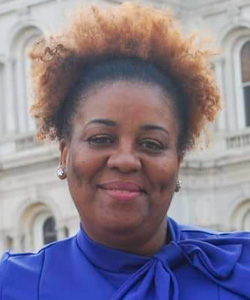
Jackie Addison
House · District 45
|
D |
Strong +
|
100% | 4 |

Jessica Feldmark
House · District 12A
|
D |
Strong +
|
100% | 4 |

Marlon Amprey
House · District 40
|
D |
Strong +
|
100% | 4 |

Dalya Attar
Senate · District 41
|
D |
Strong −
|
0% | 4 |
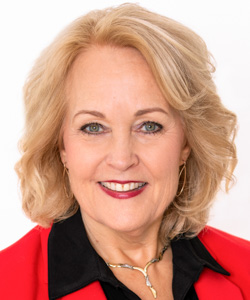
Kathy Szeliga
House · District 7A
|
R |
Strong −
|
0% | 4 |
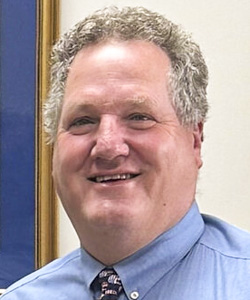
Kevin Anderson
House · District 38A
|
R |
Strong −
|
0% | 4 |
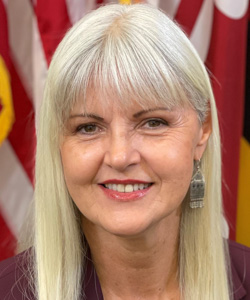
Teresa Reilly
House · District 35A
|
R |
Strong −
|
14% | 7 |
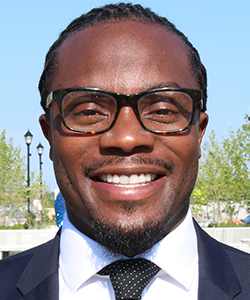
Alonzo Washington
Senate · District 22
|
D |
Strong −
|
17% | 6 |
Showing 21–21 of 21
bills