Issue · Environment

Environment

Every environment bill, vote, and legislator stance in Louisiana, automatically classified by Maddy, our AI policy reader.

Total bills
145
119th Congress
Top supporter
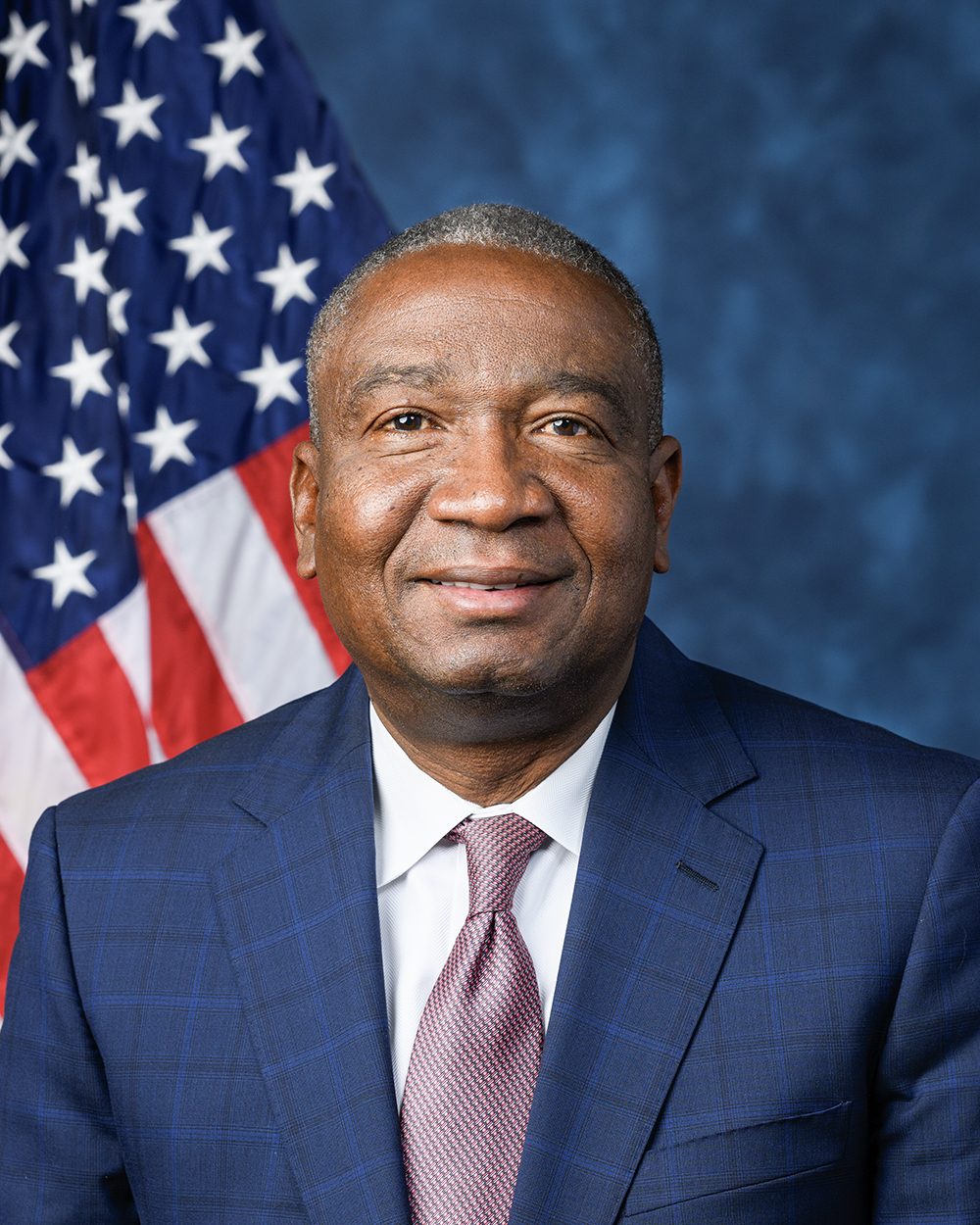
Cleo Fields
65% support rate
Top opponent
Bill Cassidy
22% support rate
Ranked legislators
7
2 support · 5 oppose
Key legislators

Who's moving environment in Louisiana

Legislators moving environment in Louisiana
Legislator Party Stance Support rate Votes
Cleo Fields
Cleo Fields House · District 6
D
Support
65% 291
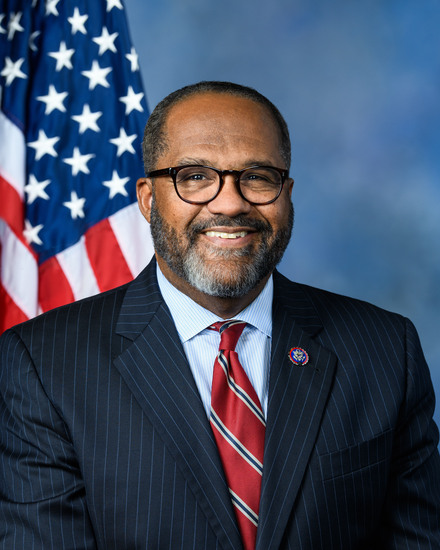
Troy A. Carter
Troy A. Carter House · District 2
D
Support
64% 306
Bill Cassidy
Bill Cassidy Senate
R
Oppose
22% 221
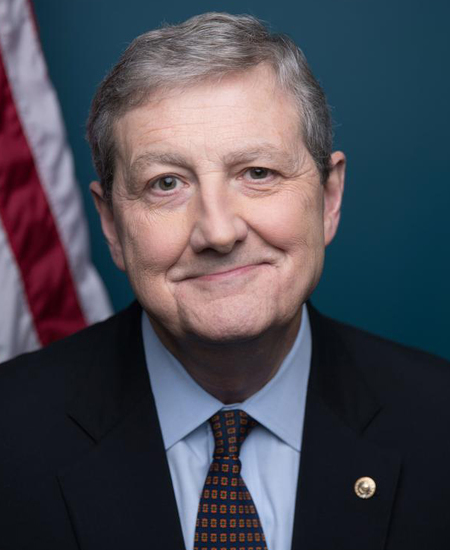
John Kennedy
John Kennedy Senate
R
Oppose
24% 234
Mike Johnson
Mike Johnson House · District 4
R
Oppose
32% 250
Julia Letlow
Julia Letlow House · District 5
R
Oppose
34% 294
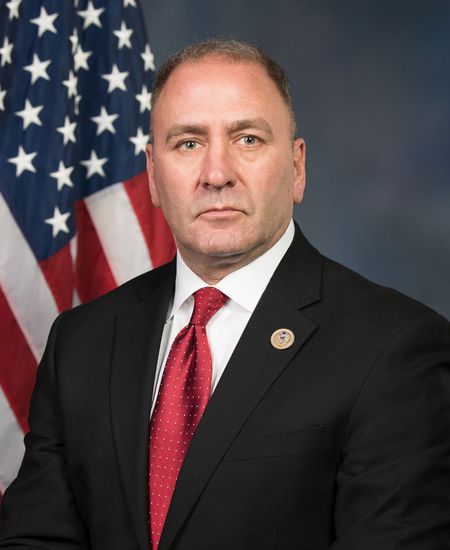
Clay Higgins
Clay Higgins House · District 3
R
Oppose
35% 301
Showing 1–10 of 145 bills

All environment bills

in committee · United States · House Sep 10, 2026

HRES 1524: Expressing support for the designation of the week of September 19 through September 26, 2026, as "National Estuaries Week".

This House resolution expresses support for designating the week of September 19 through September 26, 2026, as National Estuaries Week to raise public awareness about the importance of these coastal ecosystems. The bill highlights that estuaries support a significant portion of the U.S. population and economy while providing critical services such as flood control, water filtration, and habitat for fish and wildlife. It acknowledges ongoing threats to estuary health, including pollution and sea level changes, and recognizes the efforts of government agencies, organizations, and individuals working to protect and restore these areas.
in committee · United States · House Jul 27, 2026

HR 9959: Green New Deal for Public Schools Act

The Green New Deal for Public Schools Act directs over $700 billion in federal funding to public schools, prioritizing those serving the most vulnerable communities based on CDC social vulnerability rankings. The legislation establishes a new Office of Sustainable Schools and authorizes grants for "healthy green retrofits" that convert school buildings into zero-carbon facilities with clean air, water, and energy systems, while also providing funds to hire additional educators, mental health professionals, and support staff. Additionally, the bill mandates increased federal funding for special education under the Individuals with Disabilities Education Act and creates a climate resiliency program that allows schools to function as community centers during natural disasters. All grant recipients must adhere to strict labor standards, including prevailing wage requirements, Buy American provisions, and local hiring goals that prioritize residents of the surrounding community.
in committee · United States · House Aug 6, 2026

HR 10063: Green New Deal for Public Housing Act

The Green New Deal for Public Housing Act directs the Department of Housing and Urban Development to provide grants to public housing agencies and tribal entities for the comprehensive rehabilitation, energy upgrades, and modernization of public housing stock. These funds are intended to transform properties into zero-carbon homes by installing renewable energy systems, electrifying appliances, and repairing infrastructure, while also establishing workforce development programs that offer training, apprenticeships, and stipends to residents and local low-income workers. The bill mandates strict labor standards, including prevailing wages and the use of U.S.-made materials, and requires agencies to maintain or increase the total number of public housing units while prioritizing resident participation through elected councils and community engagement processes.
in committee · United States · House Aug 13, 2026

HR 10083: Water Technology and Resilience Reauthorization Act

The Water Technology and Resilience Reauthorization Act extends the funding authorization for advanced drinking water technologies from 2027 through 2031. This change directly affects federal agencies responsible for implementing these programs by providing continued financial support for five additional years. The bill amends the Safe Drinking Water Act to ensure that resources remain available for developing and deploying new water treatment methods.
Sub-Topics Drinking Water
in committee · United States · Senate Jul 22, 2026

S 5087: Wildfire Reduction Market Expansion Act of 2026

The Wildfire Reduction Market Expansion Act of 2026 updates the Clean Air Act to broaden the definition of renewable biomass eligible for carbon credits. It specifically includes wood and paper residuals from manufacturing, as well as trees and shrubs from certified non-Federal lands and public forests used for fuel reduction or ecological restoration. The bill also allows vegetation cleared from defensible space around buildings and wildfire risk reduction projects in the wildland-urban interface to be counted. These changes require specific certifications from landowners or federal agencies to verify that the materials come from sustainable sources and are not suitable for use as sawlogs.
Sub-Topics Air Quality Forestry
in committee · United States · House Jul 21, 2026

HR 9808: No Passes for Polluters Act of 2026

The No Passes for Polluters Act of 2026 requires Congress to explicitly approve any exemptions from Clean Air Act regulations before the President or federal agencies can use them. Under this bill, the President must submit a detailed message to both houses of Congress explaining the reasons and facts behind any proposed exemption, which then triggers a special legislative process. To pass such an exemption, a joint resolution must be approved by a two-thirds vote in both the Senate and the House of Representatives, with limited debate and no amendments allowed. Additionally, the Comptroller General will review these proposals to ensure they have legal authority, and any unauthorized use of exemptions could lead to civil lawsuits. The legislation also mandates that the President reconsider certain executive branch emissions regulations every three years.
Sub-Topics Air Quality
in committee · United States · Senate Jun 24, 2026

S 4944: American Energy and Mineral Infrastructure Act of 2026

The American Energy and Mineral Infrastructure Act of 2026 streamlines the permitting process for natural gas pipelines and other energy projects by designating the Federal Energy Regulatory Commission as the sole lead agency for environmental reviews and establishing strict deadlines for federal and state agencies to complete their portions of the review. The bill also modifies water quality laws to reduce the number of required certifications for discharges into navigable waters, extends the validity of certain nationwide permits for dredged or fill material from five to ten years, and creates a new fund to address abandoned hardrock mines. Additionally, the legislation updates the National Environmental Policy Act to limit the scope of environmental reviews to effects directly caused by a project, impose specific timelines for agency decisions, and restrict the ability of courts to issue injunctions that would halt construction while legal challenges are pending.
in committee · United States · House Jun 25, 2026

HR 9454: Next Generation Shipping Act

The Next Generation Shipping Act establishes a $10 billion funding program over ten years to support the development and deployment of zero-emission vessels and clean alternative fuel technologies. Administered by the Department of Transportation, the program provides grants, low-interest loans, and loan guarantees to eligible entities such as shipowners, manufacturers, and port authorities, while explicitly prohibiting the use of funds for automated vessel systems. To guide these efforts, the bill creates an advisory committee representing diverse stakeholders including labor groups, environmental organizations, and industry leaders to evaluate technologies and identify gaps. Additionally, the legislation mandates that funded projects prioritize workforce training, community benefits, and environmental justice, ensuring that laborers receive prevailing wages and that local communities are engaged throughout the project lifecycle.
in committee · United States · Senate Jun 17, 2026

S 4805: Save Our Shrimpers Act

The Save Our Shrimpers Act directs the U.S. Treasury to instruct American representatives at international financial institutions to vote against funding projects related to shrimp farming, processing, or export in borrowing countries. This restriction includes a waiver provision that allows the Treasury Secretary to override the vote if they determine the project serves the national interest, with the requirement to notify Congress. The mandate to oppose such financial assistance is set to expire seven years after the bill is enacted.
in committee · United States · House Jun 18, 2026

HR 9344: EDUCATE Act of 2026

The EDUCATE Act of 2026 directs the National Institute of Food and Agriculture to create a grant program for universities to research marijuana cultivation and processing, with a specific focus on soil health, sustainability, and economic opportunities for minority farmers. This legislation also establishes a scholarship program to support students pursuing careers in marijuana agriculture and requires that at least 25% of the research funding be reserved for Hispanic-serving institutions. To encourage participation, the bill includes protections ensuring that institutions and individuals conducting federally authorized marijuana research cannot face denial of benefits or federal prosecution solely for their work. The program is authorized for five years, with $5 million allocated annually for research grants and $100,000 annually for scholarships, and recipients must agree to comply with all applicable federal laws regarding marijuana.
Showing 1 to 10 of 145 bills
1 2 3 15 Next