

Maddy summaryThis symbolic Senate resolution (SRES 69) designates February 18-25, 2023, as "National FFA Week" to celebrate the 95th anniversary of the National FFA Organization. It recognizes FFA’s role in developing future agricultural leaders through its educational programs, which serve over 850,000 students across all 50 states and territories. The resolution has no legal effect - it is a ceremonial expression of support, not a policy change. It directly affects the FFA organization and its members by highlighting their educational mission during a designated week.
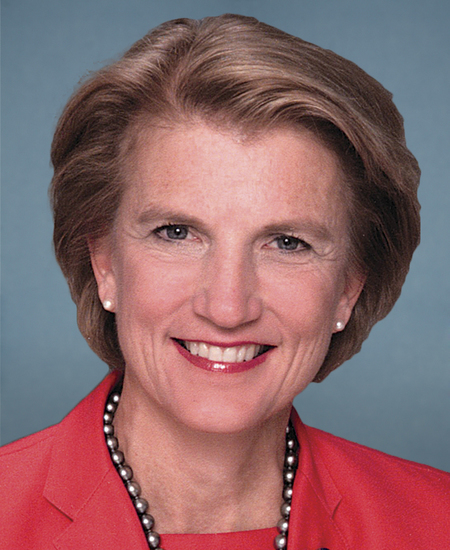
Sen. Shelley Moore Capito
Sponsored bills
Maddy summaryThis bill redefines who qualifies as a "Palestinian refugee" under U.S. policy, requiring individuals to have been displaced during the 1948 conflict and not accepted citizenship elsewhere. It mandates that U.S. funding for the UNRWA agency (which provides aid to Palestinian refugees) can only continue if the State Department certifies UNRWA is free from terrorist ties, anti-Israel rhetoric in its materials, and misuse of facilities for terrorism. The certification must confirm UNRWA uses vetted staff, avoids anti-Semitic or anti-Israel propaganda in education, and undergoes independent financial audits approved by Israel and the Palestinian Authority. U.S. contributions are also capped at levels matching the highest Arab League member country’s annual support and proportional to U.S. funding for other refugee programs. The bill requires annual reports to Congress on efforts to encourage other nations to withhold UNRWA funding until these conditions are met.
Maddy summaryThis bill provides tax relief to new car dealers who sold inventory due to supply chain disruptions between March 2020 and January 2022. It allows dealers using the LIFO tax accounting method to avoid recognizing income from those sales in the year they occurred, instead deferring tax consequences until they replace the sold vehicles. Dealers have until 2026 to repurchase similar vehicles; if they fail to fully replace the inventory within this window, they must pay back the tax plus interest. The relief directly affects new car dealers who held LIFO inventory during the specified period and are subject to IRS tax rules.
Maddy summaryS 444 requires the U.S. Senate to approve any World Health Organization (WHO) pandemic preparedness treaty before it becomes binding on the United States. The bill mandates that agreements resulting from the WHO’s pandemic treaty negotiations (currently led by the International Negotiating Body) must be treated as treaties under the U.S. Constitution, requiring Senate ratification with a two-thirds vote. It directly affects U.S. foreign policy implementation by ensuring congressional oversight of international pandemic agreements. The bill responds to concerns about WHO’s pandemic management and aims to prevent executive agreements from bypassing Senate review.
Maddy summaryS 438, the Natural Gas Export Expansion Act, modifies the Natural Gas Act to create an expedited process for approving natural gas exports to most countries. It directly affects U.S. natural gas exporters and foreign buyers in nations not subject to U.S. sanctions or national security designations. Key provisions include adding "any other nation not excluded" to export definitions, establishing a faster approval pathway (with no order required for Canada/Mexico), and requiring exclusions for nations under U.S. sanctions or designated by the President/Congress for security reasons. The bill aims to simplify export approvals but maintains restrictions for specific countries.
Maddy summaryThis resolution (SRES 63) is a symbolic Senate measure formally celebrating Black History Month. It acknowledges the contributions of African Americans to U.S. history and society, recognizes the origins of Black History Month (beginning as Negro History Week in 1926), and encourages nationwide reflection on this history. The resolution does not create new laws or policies but serves as a formal Senate acknowledgment of the significance of Black History Month in February. It aims to honor the legacy of African American pioneers and promote learning about their impact on the nation.
Maddy summaryThe Hearing Protection Act (S 401) reclassifies firearm silencers as firearms under federal tax law, requiring them to be taxed at 10% like other firearms starting 90 days after enactment. It mandates the destruction of all existing federal silencer registration records within one year and preempts state laws that tax, regulate, or require registration of silencers. The bill directly affects silencer owners, manufacturers, and dealers by changing federal tax treatment, eliminating federal registration requirements, and overriding conflicting state regulations. Key provisions include updated definitions for silencers, new marking requirements for manufacturers, and removal of federal registration barriers.
Maddy summaryThis joint resolution (SJRES 7) seeks congressional disapproval of a 2023 rule defining "Waters of the United States" (WOTUS), which would have changed how federal agencies regulate wetlands and waterways. It targets a rule jointly issued by the Army Corps of Engineers, EPA, and other agencies (88 Fed. Reg. 3004, Jan. 18, 2023), directly affecting landowners, developers, and environmental regulators by altering jurisdiction over water resources. If passed, the resolution would nullify the rule under a specific disapproval process in Title 5 of U.S. Code, preventing it from taking effect. The resolution does not create new regulations but aims to block an existing federal rule. This is a procedural step, not a new law.
Maddy summaryThis bill requires the Secretary of Health and Human Services to publish regular, science-based physical activity recommendations for the American public. Starting by December 2029, and every 10 years thereafter, the Secretary must issue reports covering general guidelines and specific advice for groups like children or people with disabilities. Federal agencies must consider these reports when developing their own physical activity guidance, though the reports themselves are non-binding for individuals. The law ensures recommendations stay updated with current research, with an initial update due by 2034.
Maddy summaryThis proposed constitutional amendment (SJRES 13) would require the federal government to balance its annual budget, meaning spending could not exceed revenue unless Congress passes a specific exception with a two-thirds vote. It also sets a limit of 18% of GDP for total government spending, with similar supermajority requirements to exceed this cap. The bill would mandate the President to submit a balanced budget proposal to Congress each year and require a two-thirds vote for tax increases or debt limit hikes. As a proposed amendment, it would only take effect if ratified by three-fourths of state legislatures.