

Maddy summaryThis bill prohibits the detention of pregnant, lactating, or postpartum noncitizens under U.S. immigration law, requiring immediate release unless specific, narrow exceptions apply (e.g., an immediate threat to safety). It bans physical restraints during labor, delivery, or postpartum care, mandates access to comprehensive reproductive health services - including abortion - and requires facilities to conduct biweekly reviews of detained pregnant individuals. Detention facilities must report quarterly on restraint use, detention lengths, and birth outcomes to ensure compliance. The law directly affects immigrant women in immigration custody and applies to all facilities holding such individuals under U.S. immigration authority.
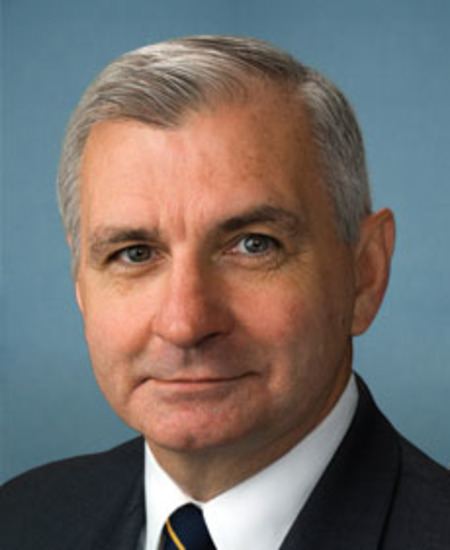
Sen. Jack Reed
Sponsored bills
Maddy summaryThis bill creates a Chief Resilience Officer in the Executive Office of the President to coordinate federal climate adaptation and resilience efforts across government agencies. It establishes a Partners Council with representation from state and local governments, tribal nations, Freely Associated States, non-profits, and the private sector to advise on improving federal support for community resilience. The bill requires a National Adaptation and Resilience Strategy and Implementation Plan within two years, along with an Adaptation and Resilience Clearinghouse to improve access to climate adaptation resources. The law mandates regular assessments of federal resilience efforts and has a sunset provision ending its requirements by September 30, 2033.
Maddy summaryThis resolution designates the week beginning October 8, 2023, as "National Wildlife Refuge Week" to recognize the National Wildlife Refuge System. It encourages public events and activities to celebrate these refuges, which protect habitats, support wildlife conservation (including over 380 threatened species), and contribute to local economies through recreation and tourism. The designation highlights the system's role in providing habitat for over 850 million acres of ecosystems, supporting 41,000 jobs, and fostering community engagement through programs like the Urban Wildlife Conservation Program. It is a symbolic recognition effort with no binding policy changes or funding implications.
Maddy summarySRES 450 is a non-binding Senate resolution introduced in November 2023 that expresses the Senate's position on fair treatment for paraprofessionals (like instructional assistants) and education support staff (such as clerical, transportation, and maintenance workers) in schools. It calls for these workers to receive livable wages, affordable healthcare, job security, paid leave for school closures, and opportunities for professional growth. The resolution specifically outlines 15 key provisions the Senate believes should be implemented, including safe working conditions, representation in policy decisions, and protections against workplace hazards. As a resolution, it does not create new law but aims to highlight the Senate's support for improving conditions for over 3 million essential school workers serving 49 million students.
Maddy summaryThe Puerto Rico Status Act (S 3231) establishes a process for Puerto Rico to determine its political status through a plebiscite on November 2, 2025, offering residents three options: independence, sovereignty in free association with the United States, or statehood. If no option receives a majority in the initial vote, a runoff election will be held on March 8, 2026. The bill outlines detailed transition mechanisms for each potential status, including constitutional conventions, changes to citizenship and immigration laws, and continued federal benefits during a transition period. It requires bilingual voter education materials, establishes oversight for the voting process, and specifies how federal laws would change under each status option. The bill directly affects Puerto Rico's residents, the U.S. federal government, and Puerto Rico's government as it would transition to a new political status.
Maddy summaryS 3180, the Working Waterfront Preservation Act, creates a federal grant program to protect and improve waterfront areas used by coastal industries. It authorizes $20 million annually (2024-2028) for competitive grants to eligible entities like coastal states, local governments, nonprofits, or industry participants to fund projects that enhance access to or permanently protect working waterfronts. Grants cover up to 50% of project costs for improvements like docks, access points, or climate-resilient upgrades, but cannot be used for eminent domain. The program specifically supports commercial fishing, aquaculture, recreational fishing, and boatbuilding industries in coastal communities, requiring state approval and alignment with existing coastal laws.
Maddy summaryThe CHILD Labor Act strengthens protections against child labor by defining "oppressive child labor" to include specific dangerous occupations for children under 18, such as manufacturing, mining, trenching, and meat processing. It prohibits Federal contractors from employing children under 16 in any work and restricts 16-17 year olds from hazardous occupations, requiring contractors to implement training programs and establish labor-management committees to monitor compliance. The bill significantly increases penalties for violations, including civil fines up to $750,000 for violations causing death or serious injury, and adds criminal penalties for willful violations. It also requires the Department of Labor to issue "child labor tags" for goods produced with prohibited child labor and submit annual reports to Congress on work-related injuries and deaths.
Maddy summarySRES 435 is a Senate resolution designating October 30 through November 4, 2023, as "National Veterans Small Business Week." It formally recognizes the contributions of veterans who own small businesses, highlighting their role in the economy (over 1.7 million veteran-owned businesses employing 2.9 million people). The resolution expresses support for veterans' entrepreneurship, encourages policies reducing regulatory burdens for small businesses, and thanks veterans for their service through business ownership. This is a symbolic recognition with no new legal requirements or funding.
Maddy summaryThis bill modernizes unemployment insurance by establishing minimum benefit levels (26 weeks of coverage, 75% wage replacement, and a $250 weekly jobseeker allowance), eliminating waiting periods, and expanding eligibility for workers affected by harassment, domestic violence, or medical emergencies. It creates new triggers for extended benefits during recessions and increases available weeks during high unemployment periods, with potential additional weeks based on unemployment rates. The bill requires states to implement these changes by January 2025 or earlier, directly affecting unemployed workers, their families, and state unemployment insurance programs nationwide. It also establishes a new jobseeker allowance program with potential increases during economic downturns.
Maddy summaryThis bill amends the tax code to limit corporate deductions for certain high executive compensation. It broadens the definition of "covered individual" to include executives who performed services for a company after 2022, not just current top officers, and requires publicly traded companies to file specific reports about executive pay. Companies can no longer deduct compensation paid to these individuals if it exceeds $1 million in a year, unless it's performance-based. The changes apply to tax years starting after December 31, 2022, and give the IRS authority to prevent companies from avoiding these rules through third-party arrangements. The bill directly affects publicly traded corporations that pay significant bonuses to executives.