

Maddy summaryThe TLDR Act (S 2225) requires major websites and online services (excluding small businesses) to simplify their terms of service. It mandates a plain-language summary covering data practices (like health, location, or financial information handled), user rights (including arbitration clauses), data breach history, and estimated reading time. The summary must appear prominently on the site, accompanied by a visual flow diagram showing data sharing, and the full terms must be available in an interactive format. Enforcement falls to the Federal Trade Commission and state attorneys general, treating violations as deceptive practices under existing law.
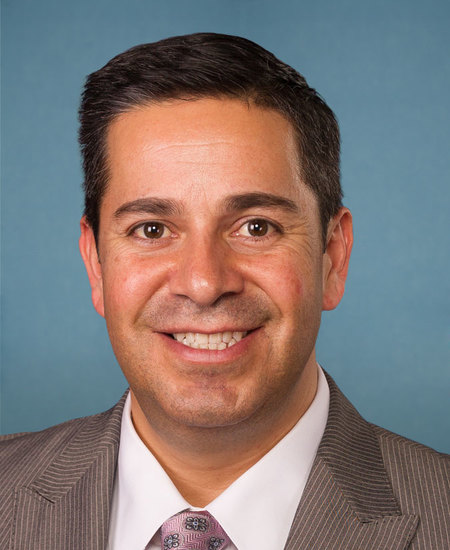
Sen. Ben Ray Luján
Sponsored bills
Maddy summaryS 593 designates approximately 12,898 acres of federal land in Taos County, New Mexico, managed by the Bureau of Land Management, as the Cerro de la Olla Wilderness. It modifies the boundary of Río Grande del Norte National Monument to include this new wilderness area, as shown on a 2022 map. The bill allows the maintenance of existing wildlife water structures (like guzzlers) within the wilderness if they enhance wildlife values and minimize visual impacts, requiring a cooperative agreement with New Mexico within one year of enactment. This directly affects land management practices in the designated wilderness and the national monument boundary.
Maddy summaryThe SHOPP Act of 2023 amends the Gus Schumacher Nutrition Incentive Program to expand eligibility for nutrition incentives. It adds legumes (like beans and lentils) to the list of eligible items and allows fresh frozen fruits and vegetables to be used year-round, instead of requiring only fresh produce. This directly affects low-income SNAP participants in the program who use incentives to buy healthier foods. The changes take effect March 6, 2024, making frozen produce and legumes accessible year-round under the incentive.
Maddy summaryS 2217, the IDEA Full Funding Act, mandates specific annual federal funding levels for the Individuals with Disabilities Education Act (IDEA) to support public education services for students with disabilities. It requires the federal government to appropriate increasing percentages of the total estimated cost - starting at 14.2% for FY 2024 and rising to 40% by FY 2033 - based on the number of eligible students and national average per-pupil spending. This directly affects public schools and state education agencies that receive IDEA funding, guaranteeing phased increases in federal support over a decade. The bill sets concrete, legally binding funding targets without altering eligibility or service requirements for students.
Maddy summarySRES 282 is a non-binding Senate resolution recognizing June 2023 as "LGBTQ Pride Month" to honor the contributions and resilience of lesbian, gay, bisexual, transgender, and queer individuals across the United States. It does not create new laws or policies but formally acknowledges historical challenges faced by the LGBTQ community, including discrimination, hate crimes (such as the Pulse and Club Q shootings), and barriers to equality in employment, healthcare, and housing. The resolution encourages all Americans to learn about the LGBTQ community's history of struggle and achievement during June 2023. Introduced by 44 bipartisan senators, it serves as a symbolic gesture of support without altering any legal rights or obligations.
Maddy summarySRES 274 is a non-binding Senate resolution expressing the chamber's commitment to achieving zero traffic fatalities by 2050. It calls on Congress and the Department of Transportation to adopt a "safe systems approach" focusing on data-driven policies, improved crash data collection, and addressing safety disparities affecting communities of color and low-income neighborhoods. The resolution specifically urges federal agencies to replace the term "accident" with "crash" in official communications and prioritize proven safety countermeasures like speed management and vehicle safety technologies. It does not create new laws but sets a goal and outlines policy priorities for federal transportation agencies.
Maddy summaryThis Senate resolution (SRES 280) designates May 2023 as National Foster Care Month to raise public awareness about challenges faced by children in foster care. It encourages Congress to develop policies improving outcomes for these children, without specifying new laws or funding. The resolution highlights issues like educational instability, lengthy stays in care, and the need for family reunification support, but does not create binding requirements. It focuses on recognition - honoring foster parents, youth resilience, and child welfare workers - rather than enacting policy changes. As a procedural resolution, it serves as a symbolic call to action, not a legislative measure with concrete policy effects.
Maddy summaryThis bill allows states, local areas, and nonprofit organizations receiving Ryan White HIV/AIDS Program grants to use their existing program funds to provide PrEP medications and related services to people at high risk of HIV infection. Specifically, it permits using grant income for PrEP drugs (prescribed by authorized providers), associated medical testing and counseling, and referrals to HIV prevention services. The law directly affects individuals at risk of HIV acquisition and the grant recipients managing Ryan White Program funds. It modifies existing program rules to expand access to prevention services without creating new funding, while ensuring participation remains voluntary for grantees.
Maddy summaryThe Small Farm Conservation Act (S 2180) creates a dedicated subprogram within the Environmental Quality Incentives Program (EQIP) to provide targeted support to small-scale agricultural producers. It requires a minimum $2,500 payment per producer for conservation practices, boosts payments by 50% for soil health systems on farms under 50 acres, and allocates $100 million annually (2024-2028) specifically for this subprogram. Funding is split: 35% ensures tailored technical assistance (via trained staff and outreach), while 65% provides direct financial aid to eligible producers, including historically underserved groups like beginning farmers, veterans, and those in high-poverty areas. The bill mandates a streamlined application process for faster access to payments and requires annual reporting on program results.
Maddy summaryThis bill bans the provision and advertising of conversion therapy for compensation, targeting therapists, clinics, and anyone offering paid services claiming to change a person's sexual orientation or gender identity. It prohibits advertising that falsely claims such therapy is harmless, effective, or without risk, and makes it unlawful to profit from these practices. Enforcement is handled by the Federal Trade Commission and state attorneys general through civil actions. The law directly affects providers of paid conversion therapy while protecting LGBTQ+ individuals from potentially harmful and ineffective treatments.