

Maddy summaryThis bill provides temporary funding to ensure Transportation Security Administration (TSA) employees continue receiving standard pay and benefits during a potential government funding gap between February 14, 2026, and when regular fiscal year 2026 appropriations are enacted. It directly affects TSA employees who might otherwise face pay interruptions if Congress fails to pass a full-year budget by that date. The bill authorizes using Treasury funds for standard pay, allowances, and benefits during this interim period, with these costs later charged to the appropriate future appropriations. The funding expires automatically on September 30, 2026, or when regular appropriations are passed, whichever occurs first.
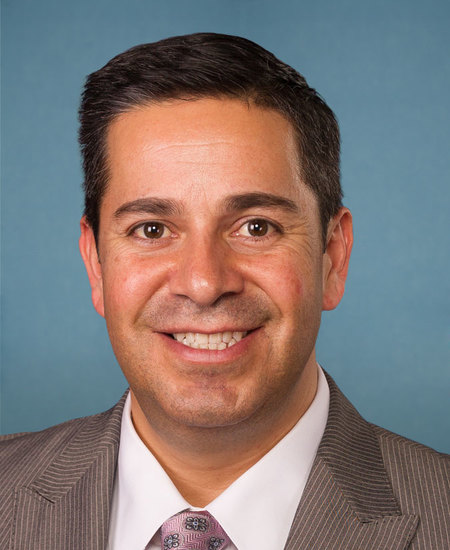
Sen. Ben Ray Luján
Sponsored bills
Living Donor Protection Act of 2025 This bill prohibits life insurance, disability insurance, and long-term insurance carriers from denying or otherwise restricting coverage for living organ donors. Specifically, carriers may not deny, cancel, vary premiums, or otherwise impose conditions on policies based on an individual's status as a living organ donor. The bill also expressly specifies that recovery from organ-donation surgery constitutes a serious health condition that entitles eligible employees to job-protected medical leave. In addition, the Department of Health and Human Services must update educational materials on living organ donation to include information about the benefits and risks of living organ donation and the impact of donation on insurance access, particularly with respect to the bill's changes.
Maddy summaryThis bill, known as the Professional Degree Access Restoration Act, aims to restore federal student loan limits that were previously reduced for graduate and professional students. It directly affects students pursuing advanced degrees such as law, medicine, and education by increasing the amount of federal loans they can access. The legislation reverses specific loan cap reductions established by Public Law 119-21, allowing students to borrow more money during their period of instruction. By amending the Higher Education Act of 1965, the bill removes certain restrictions on annual and aggregate loan amounts for these student categories.
Maddy summaryThis resolution (SRES 628) is a symbolic Senate gesture supporting the designation of March 2026 as "Music in Our Schools Month." It recognizes music's cultural importance in the U.S., its historical role in education, and existing disparities in access to music programs - particularly for students in underserved urban, rural, and high-poverty schools. The resolution does not create new requirements or funding but formally expresses the Senate's support for prioritizing music education in public schools.
Maddy summaryThe Supplemental Security Income Restoration Act of 2026 updates eligibility rules and benefit amounts for the Supplemental Security Income (SSI) program, which provides financial assistance to low-income individuals with limited resources. The bill increases income and resource limits for SSI recipients, exempts certain retirement accounts and tribal welfare payments from counting toward eligibility limits, and extends the SSI program to U.S. territories including Puerto Rico, the U.S. Virgin Islands, Guam, and American Samoa. Additionally, the legislation repeals a marriage penalty that previously reduced benefits for married couples and clarifies how various state tax credits and in-kind support are treated when determining eligibility.
Maddy summaryThis bill, known as the Guarantee Access to Arts and Music Education Act of 2026, amends the Elementary and Secondary Education Act of 1965 to expand federal funding for arts and music programs in public schools. It requires that schools receiving federal education funds provide sequential, standards-based arts and music education taught by certified educators, including dance, theater, visual arts, and music. The legislation also allows schools designated for targeted assistance to use federal funds to support arts and music programs that address students' academic needs, covering costs for supplies, instruments, and teacher training. These changes directly affect public schools and school districts that receive funding under the Elementary and Secondary Education Act.
Maddy summaryThis bill, titled the Homeland Security Improvement Act, creates a new independent commission to oversee border security activities and improve transparency within the Department of Homeland Security. The commission would consist of 30 members appointed by congressional leaders and would include representatives from border communities, civil rights groups, law enforcement, and tribal officials to evaluate policies and make recommendations. The bill also establishes an Ombudsman office to handle complaints from individuals affected by border and immigration enforcement, provides mandatory training for border agents focused on civil rights and community relations, and requires detailed data collection on border stops and enforcement actions to improve accountability.
Maddy summaryThis bill, known as the DHS Hiring Review Act, requires the Department of Homeland Security to conduct audits and reviews of hiring and training processes at U.S. Immigration and Customs Enforcement and U.S. Customs and Border Protection. The legislation mandates that the Under Secretary for Management audit hiring records for employees hired after a specific date to verify that background checks and other hiring standards were properly followed. It also requires cross-checking new employee records against state-level misconduct files to ensure prior law enforcement issues were considered before hiring. Additionally, the bill requires certification that all ICE and CBP officers have completed their required training, including documentation of training length, and directs the Government Accountability Office to report on these findings within one year.
Maddy summaryThis bill requires U.S. Customs and Border Protection and U.S. Immigration and Customs Enforcement to update the Online Detainee Locator System within six to 12 hours after any significant change in a detainee's custody status, such as transfer, release, or death. The system must include specific details like the detainee's full name, current facility location, and scheduled release or transfer dates. Additionally, the bill mandates that family members or legal representatives be notified within 12 hours of custody events and establishes annual audits by the Department of Homeland Security Inspector General to ensure compliance.
Maddy summaryThis bill, the PrEP Access and Coverage Act of 2026, requires most health insurance plans to cover HIV prevention medication without charging patients any cost-sharing fees. It directly affects people enrolled in private insurance, Medicare, Medicaid, and other government health programs by mandating that these plans cover the medication, related lab tests, and follow-up care without requiring prior approval. The law also prohibits insurance companies from denying life, disability, or long-term care insurance to individuals taking HIV prevention medication and requires a public education campaign to increase awareness about the medication.