

Maddy summaryThis bill (S 1677, Ensuring Lasting Smiles Act) requires health insurance plans to cover medically necessary treatments for congenital anomalies or birth defects affecting the eyes, ears, teeth, mouth, or jaw. It mandates coverage for reconstructive services, dental/orthodontic care, and related treatments during the course of medical treatment, while excluding purely cosmetic procedures not medically necessary. Plans may apply cost-sharing requirements similar to those for other medical services but must provide notice about these coverage requirements to participants by January 1, 2026. The bill also directs a study on provider network adequacy and cost impacts related to these coverage requirements, to be completed by December 2027.
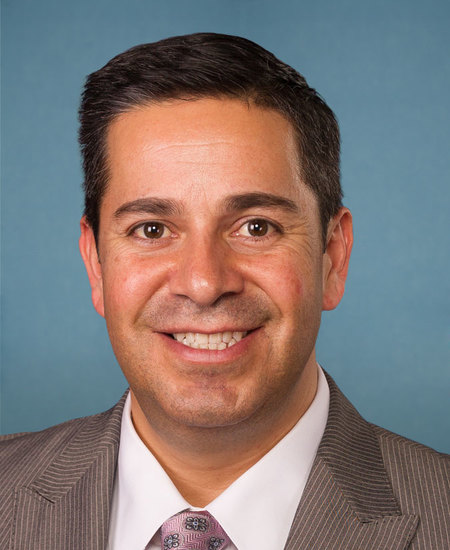
Sen. Ben Ray Luján
Sponsored bills
Resident Education Deferred Interest Act or the REDI Act This bill allows borrowers in medical or dental internships or residency programs to defer student loan payments until the completion of their programs.
Maddy summaryS. Res. 650 is a Senate resolution that formally recognizes the heritage, culture, and contributions of American Indian, Alaska Native, and Native Hawaiian women in the United States. The resolution highlights their achievements in military service, business ownership, healthcare, science, arts, and civil rights advocacy through specific examples of individual women. It does not create new laws or funding but serves as a symbolic acknowledgment of their historical and ongoing contributions to American society.
Maddy summaryThis bill provides temporary funding to ensure Transportation Security Administration employees receive their regular pay, benefits, and allowances during a potential government funding gap in fiscal year 2026. It allows the agency to use Treasury funds to cover salaries and benefits starting February 14, 2026, until a full-year budget is passed or the fiscal year ends on September 30, 2026. The legislation prevents employees from receiving duplicate payments by restricting these funds to periods when no other pay sources are available and requires any costs to be transferred to the permanent budget once enacted. The bill takes effect retroactively as if it were passed on February 13, 2026, to cover the initial days of the potential funding lapse.
Maddy summaryThis bill, known as the Stop Presidential Embezzlement Act, imposes a 100 percent federal tax on civil damages received by high-ranking government officials, including the President, Vice President, members of Congress, and top executive branch leaders. The tax applies specifically to money these officials receive from lawsuits filed against the United States government, covering settlements, verdicts, or judgments obtained during their tenure in office. The legislation amends the Internal Revenue Code to treat these damages as taxable income while simultaneously excluding them from gross income calculations, effectively creating a special tax category for this specific type of compensation. The changes take effect for any damages received after the bill is enacted, targeting financial recovery from civil actions rather than criminal penalties or other forms of compensation.
Maddy summaryThe Love Lives On Act of 2025 modifies veterans' and military survivors' benefit rules to prevent remarriage from automatically ending eligibility. It directly affects surviving spouses of veterans or military members who remarried, ensuring they retain access to key benefits. Key provisions include: (1) preventing termination of veterans' dependency compensation (under 38 U.S.C. §1311/1562) due to remarriage; (2) stopping termination of military Survivor Benefit Plan annuities solely for remarriage, with specific rules for those who remarried before age 55; and (3) expanding TRICARE coverage to include remarried widows/widowers whose subsequent marriage ended (via death, divorce, or annulment). These changes restore or maintain benefits that were previously lost upon remarriage.
Maddy summaryThis resolution formally recognizes 2026 as the International Year of Rangelands and Pastoralists, acknowledging the ecological and economic importance of these lands to the United States. The bill highlights that rangelands cover a significant portion of U.S. territory and support domestic production of food, fiber, and energy while providing critical ecosystem services like carbon storage and wildfire risk reduction. It encourages federal agencies, universities, and organizations to engage in education, research, and outreach activities related to sustainable rangeland management during the designated year. The measure does not create new laws or funding but serves to raise awareness and promote collaboration among stakeholders involved in rangeland stewardship.
Maddy summaryThis bill directs the Secretary of Agriculture to create a grant program that provides financial stabilization payments to workers in grocery stores, farms, and meat processing facilities affected by natural or other disasters. The program would offer funding through membership organizations or labor unions that represent these workers, with a total authorization of $50 million available for use. Additionally, the bill requires the Secretary to submit a report to Congress four years after enactment detailing the program's outcomes and impacts.
Maddy summaryThe Children and Teens' Online Privacy Protection Act (S 836) extends COPPA protections to teens aged 13-17 by requiring websites, apps, and online services to obtain verifiable consent from parents for children or from teens themselves before collecting or using their personal information for purposes beyond the service. It defines "personal information" broadly to include biometric data, voice recordings, persistent identifiers, and geolocation information, and prohibits using such information for individual-specific advertising without consent. The bill mandates clear notice about data practices and gives children and teens rights to access, correct, and delete their personal information. Additionally, it requires the FTC to conduct studies on mobile app oversight and the GAO to study teen privacy in financial technology products.
Maddy summaryThis bill directs the National Institute of Standards and Technology to create definitions, standards, and frameworks to ensure biological datasets from federally funded research are prepared for use in artificial intelligence models. It requires the NIST Director to establish clear criteria for what makes data "artificial intelligence-ready" and to consult with federal agencies, private industry, and academia during this process. The legislation also mandates regular testing of these standards to prevent undue burdens on researchers and requires federal agencies to update their data management policies accordingly.