

Maddy summarySRES 618 is a Senate resolution recognizing the vital role of career and technical education (CTE) educators and work-based learning coordinators in preparing students for careers, classrooms, and life. It highlights that these professionals deliver hands-on skills training, support workforce pipelines in critical economic sectors, and address persistent shortages in CTE staffing (reported in 25 states for the 2025-2026 school year). The resolution formally commends CTE educators and coordinators for their contributions and emphasizes that improving their wages, benefits, and working conditions would help reduce staffing gaps. It does not create new programs or funding but serves as a symbolic endorsement of CTE’s importance to U.S. economic competitiveness.
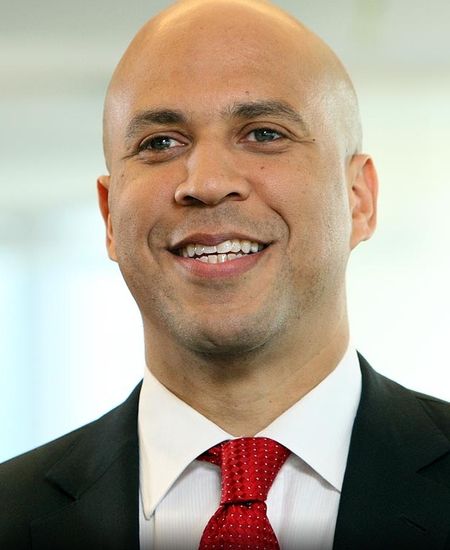
Sen. Cory A. Booker
Sponsored bills
Maddy summarySRES 623 is a symbolic Senate resolution commemorating Team USA's historic ice hockey achievements at the 2026 Milano Cortina Winter Olympics. It specifically honors both the U.S. Women’s Hockey Team (winning their third gold, with Megan Keller scoring the overtime winner and Laila Edwards becoming the first Black woman to win gold in women’s hockey) and the Men’s Hockey Team (winning their first gold since 1980). The resolution applauds the athletes, coaches, and supporting families, and highlights the significance of both teams winning gold in the same Olympics for the first time. As a non-binding commemorative resolution, it has no policy impact and serves solely to recognize these athletic accomplishments.
Maddy summarySRES 620 designates February 28, 2026, as "Rare Disease Day" to promote awareness, encourage early diagnosis, and support research for rare diseases. The resolution recognizes the impact of rare conditions on over 30 million Americans living with more than 10,000 known rare diseases, acknowledging challenges like limited treatment options and diagnostic difficulties. As a symbolic gesture, it does not create new laws or policies but highlights ongoing efforts to address rare disease needs.
Maddy summaryThis bill, titled the African American History Act of 2026, authorizes the Director of the National Museum of African American History and Culture to use up to $4 million annually for five years to support African American history education programs. The funding can be used to create digital and print educational resources, provide teacher training and professional development, expand museum collections, and develop online content for educators, students, and families. The legislation also requires the museum director to submit annual reports to Congress and provide briefings to congressional committees on how the funds are being used. Additionally, the bill includes a sense of Congress statement encouraging the federal government to lead efforts in improving the teaching of African American and other minority group histories.
Maddy summaryThis bill, titled the Enhanced Cybersecurity for SNAP Act of 2026, requires the U.S. Department of Agriculture to update cybersecurity and digital service regulations for Electronic Benefit Transfer (EBT) cards used in the Supplemental Nutrition Assistance Program. The law mandates that states issue chip-enabled EBT cards within four years, ban magnetic stripe cards on new cards, and eliminate replacement fees for cards lost, stolen, or damaged due to fraud. It also requires online transaction security measures, provides funding for retailers to upgrade payment terminals, and establishes reporting requirements to track fraud and system performance.
Maddy summaryThis bill amends the Community Development Banking and Financial Institutions Act of 1994 to require the Treasury Secretary to testify annually before Congress about the Fund's operations. It also strengthens the CDFI Bond Guarantee Program by adjusting guarantee limits and extending the program's authorization period. Additionally, the bill expands capital assistance options for community development financial institutions and creates a new lending program specifically for Native community development financial institutions to support homeownership in Tribal and Native communities.
Maddy summaryThis bill (S 3927) prohibits the use of specific federal funds - allocated under Public Law 119-21 - to detain noncitizens in warehouse facilities. It directly affects U.S. Immigration and Customs Enforcement (ICE) and U.S. Customs and Border Protection (CBP) by banning the use of these funds to purchase warehouses for detention or to repurpose, operate, staff, or maintain existing ICE/CBP warehouses for holding noncitizens. The key provision blocks funding for any warehouse-based detention operations, effectively ending the practice of using commercial warehouse spaces for immigration detention. It applies to all current and future uses of these funds for such purposes. The bill does not alter immigration law but restricts how certain federal funds may be spent.
Maddy summaryThis bill expands Medicare Part B coverage for medical nutrition therapy (MNT) to include more chronic conditions beyond diabetes and kidney disease. It directly affects Medicare beneficiaries with conditions like obesity, hypertension, heart disease, cancer, eating disorders, and others listed in the bill. Key provisions broaden the definition of covered conditions and allow additional healthcare providers (like nurse practitioners and clinical psychologists for eating disorders) to deliver MNT services. The change would make MNT services covered for prevention, management, or treatment of these additional conditions, as determined by the Secretary.
Maddy summaryThis bill, known as the Direct File Act of 2026, would establish a government-run online platform for taxpayers to prepare and file their individual income tax returns for free. It requires the Treasury Department to create a user-friendly system that uses IRS data to simplify the process, offers customer support, and is available in multiple languages and on mobile devices. The legislation also prohibits the Treasury from entering into agreements that would limit its ability to provide these tax preparation and filing services. Additionally, the bill allows eligible states to integrate their state tax filing with the federal system and provides funding to states that meet certain standards for doing so.
Maddy summarySRES 615 is a Senate resolution celebrating Black History Month, acknowledging the historical contributions of African Americans to U.S. society across fields like civil rights, arts, science, and leadership. The resolution encourages all citizens to reflect on this history as part of the nation's ongoing journey toward equality, without creating new laws or policies. It specifically recognizes figures such as Frederick Douglass, Maya Angelou, and Rosa Parks, and emphasizes the importance of Black History Month in February as a time for communal learning and inspiration. This ceremonial resolution was introduced by multiple senators and passed unanimously by the Senate in 2026.