

Maddy summaryThis bill reauthorizes the State and Local Cybersecurity Grant Program through fiscal year 2026. It sets federal cost-sharing rates at 60% for state governments and 70% for local governments in 2026, and authorizes $300 million in funding for that fiscal year. The program provides grants to state and local governments to improve cybersecurity infrastructure, directly supporting their efforts to protect public systems and data. The bill extends the program’s expiration date from September 30, 2025, to September 30, 2026.
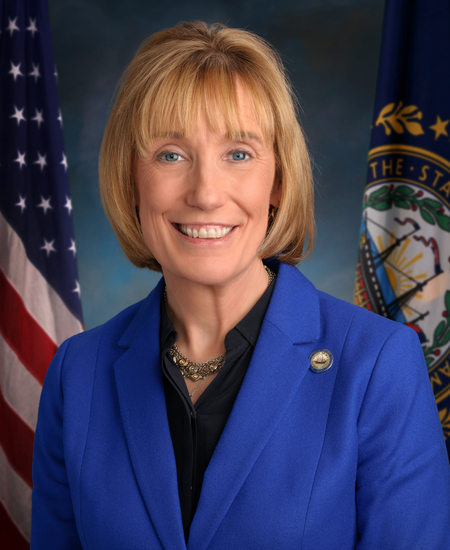
Sen. Margaret Wood Hassan
Sponsored bills
Maddy summaryThe Background Check Expansion Act requires most private firearm transfers between unlicensed individuals to go through a licensed dealer, who must conduct a background check as if the dealer were selling the firearm. Exceptions include transfers between close family members (like parents and children), law enforcement, temporary safety-related transfers (e.g., preventing domestic violence), and transfers for hunting or target shooting with specific safeguards. Licensed dealers must provide a notice about the background check requirement and have the buyer sign a certification form. The bill does not create a national gun registry and preserves states' authority to enact stricter firearm laws. It takes effect 180 days after enactment.
Maddy summaryThis bill ensures uninterrupted funding for Head Start programs in fiscal year 2026 by appropriating necessary funds from the Treasury if regular or continuing appropriations for that year are not enacted by September 30, 2026. It directly affects Head Start programs and the children and families they serve by preventing service disruptions during funding gaps. The key mechanism requires funding to continue under the same conditions as fiscal year 2025 (as established by the Full-Year Continuing Appropriations and Extensions Act, 2025) until either regular appropriations are passed, a specific appropriations resolution is enacted, or September 30, 2026. The bill does not create new funding but maintains current levels to avoid program interruptions.
Maddy summaryS 107, the Lumbee Fairness Act, extends federal recognition to the Lumbee Tribe of North Carolina. This bill directly affects the Lumbee Tribe and its members residing in Robeson, Cumberland, Hoke, and Scotland counties, North Carolina. Key provisions include making the Tribe eligible for all federal services and benefits provided to federally recognized tribes, authorizing the Secretary of the Interior to take land into trust for the Tribe, and establishing that members in those counties are deemed to reside near an Indian reservation for service delivery. The bill amends the 1956 Act to remove previous restrictions and formally recognize the Tribe under federal law.
Maddy summaryThe POST Act of 2025 requires the Federal Protective Service to strengthen oversight of contract security personnel protecting federal buildings managed by the General Services Administration. It mandates standardized data collection and quarterly analysis of covert security testing failures, including mandatory corrective training for personnel who fail tests and updated security training based on test findings. The bill also directs an evaluation of the current shift-tracking system within 180 days, requiring a decision on replacement or improvements with a public implementation plan. Annual reports to Congress will detail progress, challenges, and recommendations for both oversight and shift management systems.
Maddy summarySRES 481 is a non-binding Senate resolution urging the Trump administration to use the USDA’s existing $4.5 billion contingency funds and interchange authority to fund the Supplemental Nutrition Assistance Program (SNAP) for November 2025. The resolution states that SNAP is an entitlement program requiring government funding, and the USDA legally has the authority to draw from these reserves to avoid benefit disruptions. This would directly support the 42 million Americans who rely on SNAP, including 16 million children, 8 million seniors, 4 million people with disabilities, and 1.2 million veterans. The resolution does not change the law but calls for immediate action to maintain food assistance during a potential funding gap.
Maddy summaryThis bill requires federal agencies (like DHS, DOJ, FBI, and the National Counterterrorism Center) to submit unclassified reports after any terrorist attack in the U.S. within one year of the investigation's completion. Reports must detail the incident, identify security gaps, and suggest prevention measures, and be posted publicly online and available to Congress upon request. Agencies may withhold sensitive details if needed for ongoing investigations but must still submit other required information. The law expires after five years and does not grant new investigative powers to the National Counterterrorism Center.
Maddy summaryThis bill targets counterfeit pills containing fentanyl or methamphetamine that mimic legitimate medications. It defines "counterfeit fentanyl or methamphetamine substances" as pills falsely bearing another brand's label while containing those dangerous drugs. The bill requires the DEA to create a comprehensive plan within 180 days, including enhanced law enforcement strategies, youth-focused prevention efforts, and audits of existing campaigns like "One Pill Can Kill." It also mandates annual reports to Congress detailing seizure data, prosecutions, convictions, and prevention measures specifically related to counterfeit pill forms. The legislation directly affects federal law enforcement agencies, public health campaigns, and individuals manufacturing or distributing these deceptive pills.
Maddy summaryThis bill ensures uninterrupted access to SNAP (food stamps) and WIC benefits during government funding gaps in fiscal year 2026. It authorizes the Treasury to provide emergency funds if Congress fails to pass full-year appropriations for the Department of Agriculture by September 30, 2025, covering all missed benefits retroactively from September 30, 2025. State agencies administering these programs would be reimbursed for costs incurred during the funding lapse. The funding automatically terminates once Congress passes 2026 appropriations or by September 30, 2026.
Maddy summaryThis bill, S 3072 (No Coffee Tax Act), prevents new tariffs on coffee imports from countries with normal trade relations with the U.S. It freezes the existing tariff rate for coffee products at the level effective as of January 19, 2025, prohibiting any increase. The bill directly affects U.S. coffee importers, roasters, and businesses that rely on imported coffee beans or products. Key provisions require that no additional duty or tariff may be imposed above this frozen rate, regardless of emergency circumstances or other tariff authorities.